The Tokyo District Court claimed its decision did not violate international and constitutional principles of religious liberty. It was wrong.


The Tokyo District Court claimed its decision did not violate international and constitutional principles of religious liberty. It was wrong.

Paradoxically, the dissolution was pronounced after the methods for soliciting donations that the court had objected to had almost disappeared.

The District Court relied not only on civil cases but also on settlements and statements, and ignored the issue of deprogramming.
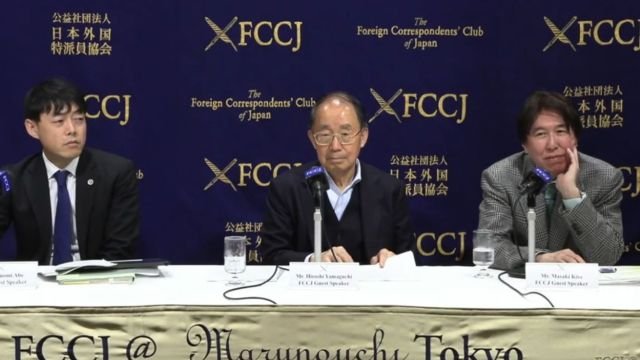
The court decision is the culmination of almost forty years of harassment of the religious movement by politically motivated and greedy lawyers.

The dissolution decision is based on the accusation of soliciting excessive donations. But their religious nature is ignored.

In 2009, the church issued a “Compliance Declaration” that reduced the claims against it almost to zero at the time of the Abe assassination.

Civil cases do not require the same strict standards of fact-finding of criminal cases. They should not be used as grounds for dissolution.

Unconvincingly, the court stated that the verdict did not violate freedom of religion or belief. It also applied the new law on donations retroactively.

The decision ignored three recommendations from the United Nations, which asked Japan not to limit rights based on “public welfare.”

Guided by Keith Cantú’s remarkable book on the Indian master, we visited his meditation hall in Chennai. The influential yoga teacher deserves to be rediscovered.