“Trafficking + cult” does not function as a descriptive category but as a dangerous signal of contamination.
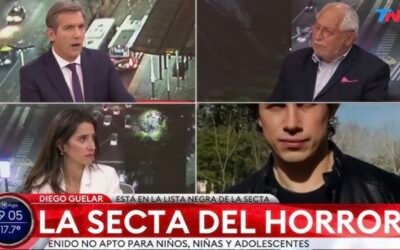

“Trafficking + cult” does not function as a descriptive category but as a dangerous signal of contamination.

How ordinary and religious activities are translated into the language of crime when the anti-cult script is activated
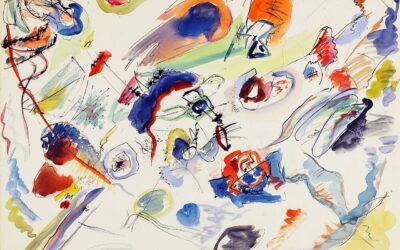
The crucial Theosophical influence on the fathers of modern abstract art has been progressively rediscovered in recent years.
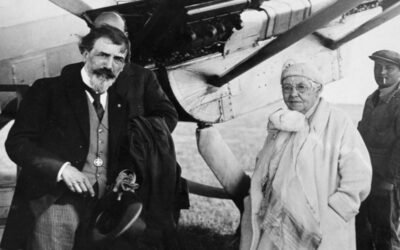
“Symbolism” offered to artists willing to express Theosophical ideas the language they were looking for.

Of all spiritual and religious organizations, none has had a greater influence on modern art than the Theosophical Society.

Prosecutors argue that whoever joins a spiritual group they do not approve of is “vulnerable.”

In a searing interview, the well-known Russian scholar and former church insider calls Kirill’s organization “a cheap para-religious cult” serving Putin.

Old, discredited “brainwashing” theories and anti-cult rhetoric are still used against spiritual minorities.
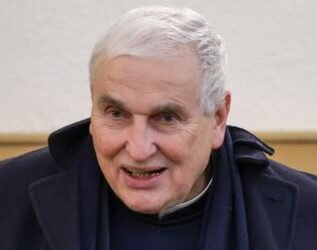
The trial of a Catholic community under flexible ideas of “abuse of weakness” reveals how French anti-cult laws may target almost anyone.

The new policy offers the anti-cultists an opportunity for a vendetta against one of the remnants of the Olive Tree, one of their main enemies in the 20th century.