Four UN Special Rapporteurs warn: the dissolution of the Unification Church and the anti-cult propaganda in schools violate international law.


Four UN Special Rapporteurs warn: the dissolution of the Unification Church and the anti-cult propaganda in schools violate international law.
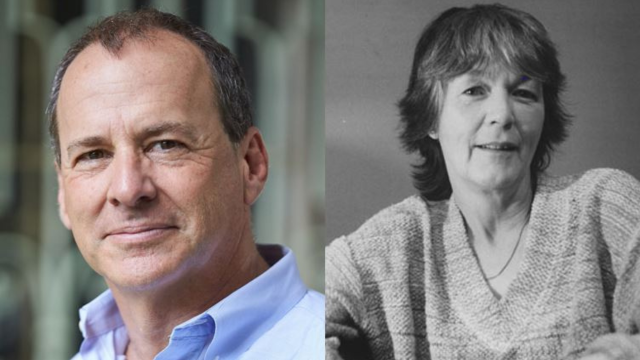
Leading experts on the Satanism scare, David Frankfurter and Jean La Fontaine, debunked Kent’s theories. His rejoinder was not persuasive.
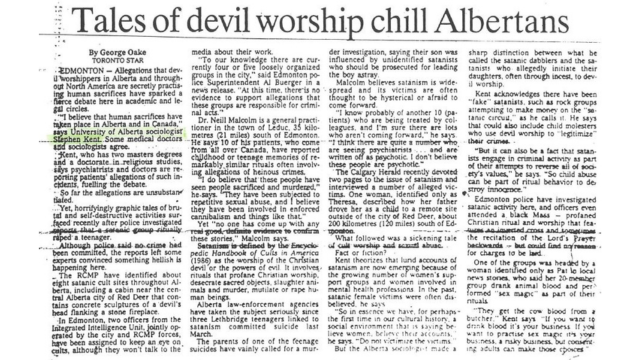
The anti-cult sociologist really believed that Satanic “human sacrifices” happened in Canada. But he admitted that he “never once came across a body.”
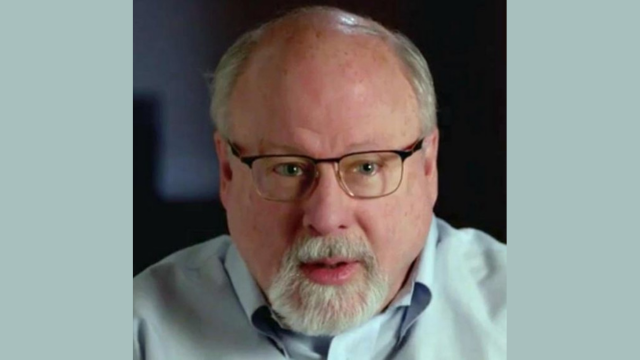
The most famous anti-Masonic hoax is a cautionary tale to keep in mind when examining claims by anti-cult scholars about Satanic or “cultic” abuse.

Ian Reader and Clark Chilson’s “On Being Nonreligious in Contemporary Japan” is required reading for understanding what’s going on in Japan.

Via WhatsApp, an Afghan Christian shares his experience of living under Taliban rule. We have verified his story, although we protect him with a pseudonym.

The Aum case proved that the “anti-cult measures” based on deprogramming methods did not work, and ended up adding fuel to the fire.
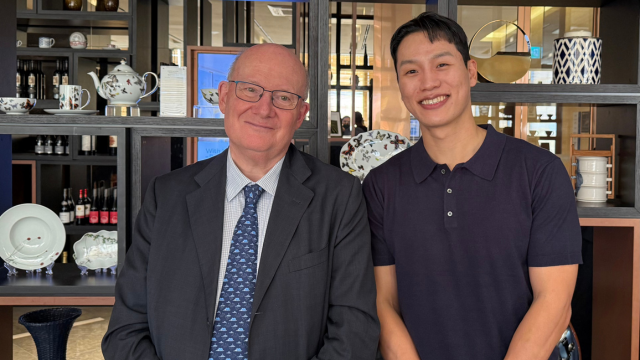
When governments start jailing pastors for preaching values, the line between democracy and despotism begins to blur.

Deprogramming continued in Japan after it was banned in the West. Lawyers and left-wing activists supported it.
Influenced by MK Ultra, Aum Shinrikyo believed that “mind control” existed and tried to use it on its followers—without success.