Ramadan should be a month of peace and respect. It was one of nightmare and persecution for the Ahmadis.

Pakistan: Ahmadi Mosque Vandalized by Police During Ramadan
read more

Ramadan should be a month of peace and respect. It was one of nightmare and persecution for the Ahmadis.

An appeal to avoid labels that have no accepted scientific meaning and are used as tools of discrimination.

In the U.S. and UK progress is being made, while in Europe it is the Netherlands that may take the lead.

Recent cases highlight the danger of forced repatriation that Uyghur refugees face in Thailand and Pakistan, casting a disturbing shadow over Muslim states’ connivance with the CCP crimes.

Sheikh Abdul Rahim Muslimdost said the December 2022 attack against the Pakistani Embassy in Kabul was just “theatre” organized to deny the connection.

A “ISKCON leader” was arrested in Novouralsk. The evidence of his connection with “Ukrainian Nazis”: a swastika (which is however a common Hindu symbol).
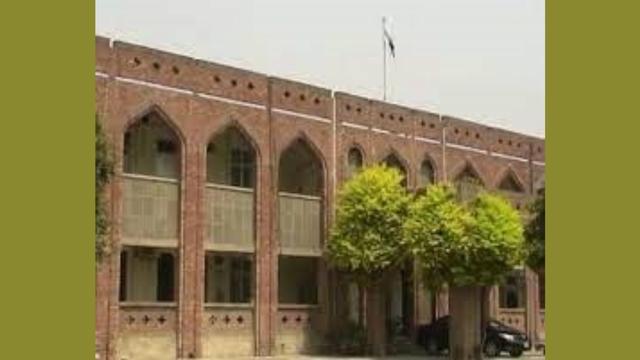
They are required to sign an affidavit, saying “I consider Mirza Ghulam Ahmad Qadiani a liar and his followers non-Muslims.”

New Creation’s leader in Omsk was told that Article 239.1 of the Russian Criminal Code makes “psychological abuse” a crime.

As it was easy to predict, anti-cultists shamelessly exploited even the March 9 massacre in Germany to attack the Jehovah’s Witnesses.

Even those Family Federation members who perform valuable volunteer work have been harassed based on dubious theories spread by anti-cult lawyers.