In the New York exhibition, the Cuban artist returns in full spiritual force, his canvases pulsing with Santería, Vodun, and the whispered knowledge of Lydia Cabrera.
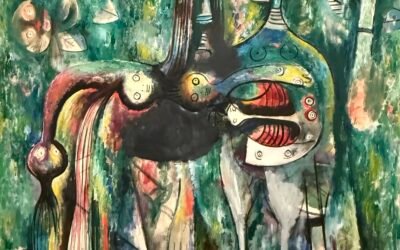

In the New York exhibition, the Cuban artist returns in full spiritual force, his canvases pulsing with Santería, Vodun, and the whispered knowledge of Lydia Cabrera.
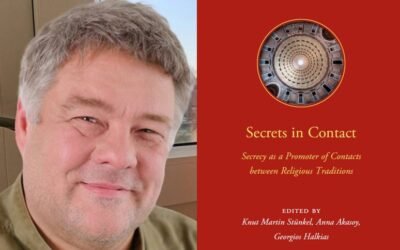
A welcome antidote to modern “secretophobia,” even if its final chapter stumbles into the very polemics the rest of the book transcends.
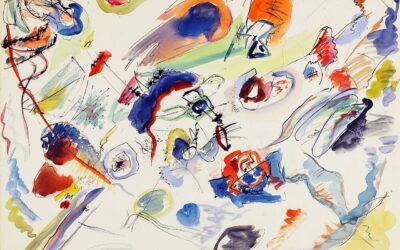
The crucial Theosophical influence on the fathers of modern abstract art has been progressively rediscovered in recent years.
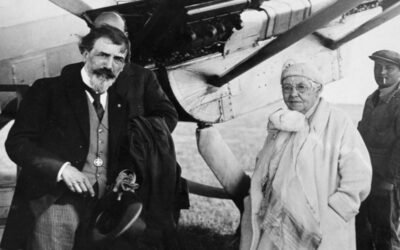
“Symbolism” offered to artists willing to express Theosophical ideas the language they were looking for.
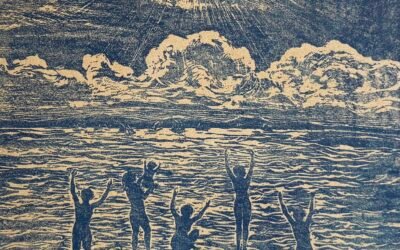
Of all spiritual and religious organizations, none has had a greater influence on modern art than the Theosophical Society.

Jolene Chu and Ollimatti Peltonen, both researchers and members of the organization themselves, offer a short but well-crafted introduction.

The triumphant Florence exhibition highlights the surprising ferocity of his Hell.

Dietary norms are weaponized to create barriers against non-Muslim business owners and workers.

The first book-length study of the institution founded by IMboni iNkosi YamaKhosi oMoya Radebe will shape academic discussion for years to come.
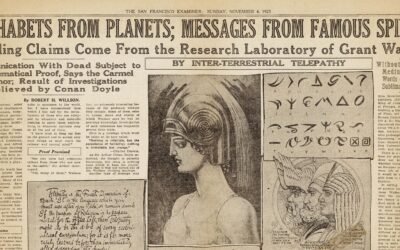
From his cabin in California, the artist believed he could communicate with deceased, extraterrestrials, and higher beings through a “mental radio.”