A book convincingly argues that the city was the epicenter of Italian miracles, Spiritualism, mysterious works of art, and esotericism.
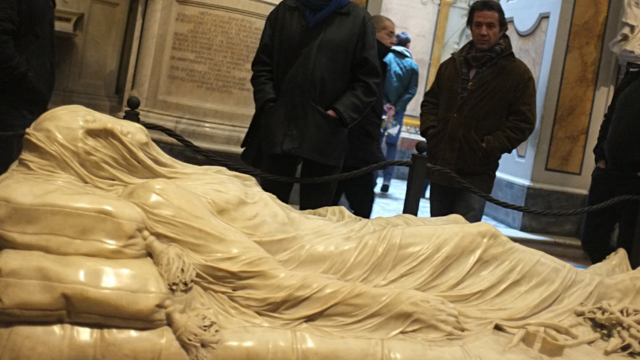
Is Naples the Genuine Italian “City of Magic”? Mystical Tales and Art in the City of Parthenope
read more

A book convincingly argues that the city was the epicenter of Italian miracles, Spiritualism, mysterious works of art, and esotericism.
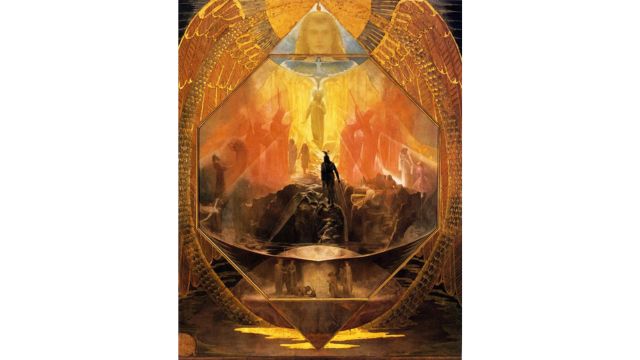
“The Path” remains one of the most beloved Theosophical icons. Some of Machell’s other Theosophical works deserve attention, too.
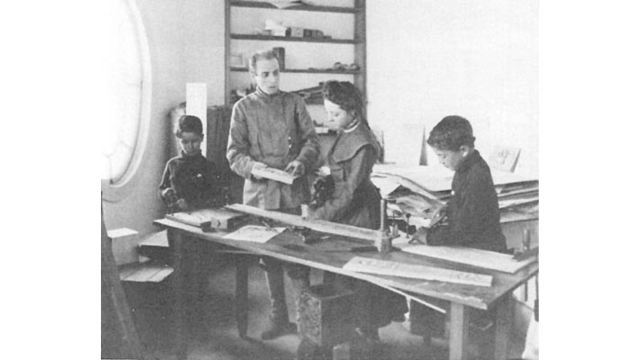
After Blavatsky’s death, the artist joined Katherine Tingley’s Theosophical community in California and became one of its most prominent members.

Some of the works and documents of the most significant early Theosophical painter perished this year when the flames destroyed Altadena’s Theosophical Society. Others survived.
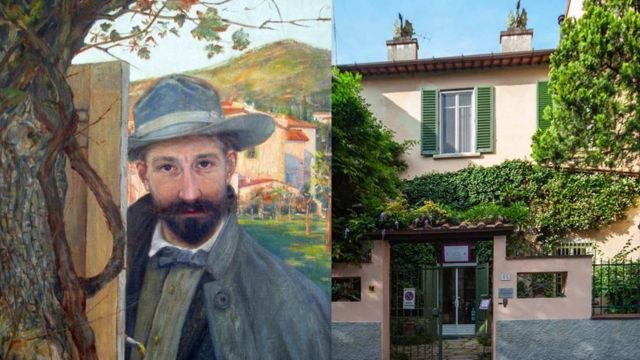
The artist devoted several years to “present the essence of Theosophy in a concise, simple but conclusive form.”

The deceased Pontiff’s favorite artist, poem, and film tell us something of his ideas about the social and prophetic role of the arts.

The hare represented Jesus and his virgin birth, as the hares were (falsely) believed to reproduce without loss of virginity.
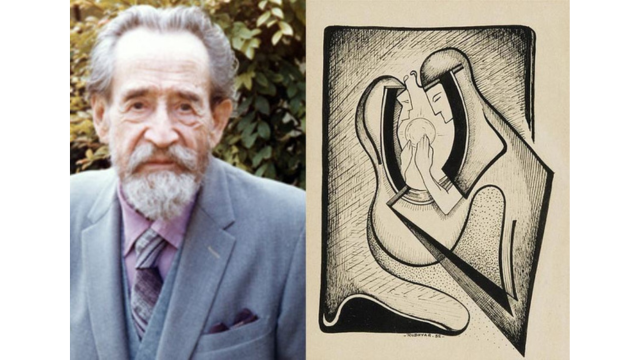
The world-famous astrologer and member of the Theosophical Society was also a gifted painter and participated in significant 20th-century artistic movements.

An exhibition in Espoo, Finland, emphasizes the painter’s Theosophical connections and reveals a secret about her relationship with Blavatsky.

Some scholars have claimed that “Theosophy was Gauguin’s world view.” Not all agree, as Swedenborg and the Spiritualist comparativist Gerald Massey were equally important influences.