The forgotten meeting between the Victorian novelist and the South African religious and political activist—and Simon Magus’ excellent book on Haggard.

H. Rider Haggard, John Dube, and Simon Magus: The Imperial Occult
read more

The forgotten meeting between the Victorian novelist and the South African religious and political activist—and Simon Magus’ excellent book on Haggard.
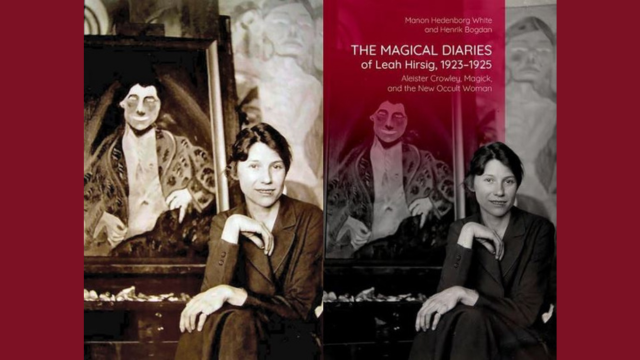
Henrik Bogdan and Manon Hedenborg White’s edition of Hirsig’s diaries demonstrates that Leah was not just a footnote in Crowley’s life but a significant force in her own right.
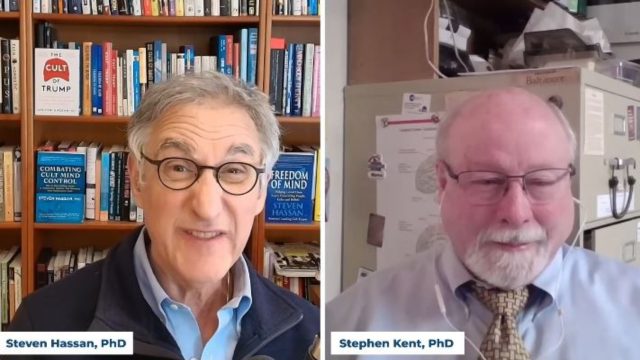
True believers in Satanic ritual abuse still exist and may even persuade legislators to pass laws. Many more apply Kent’s flawed logic to “cults.”
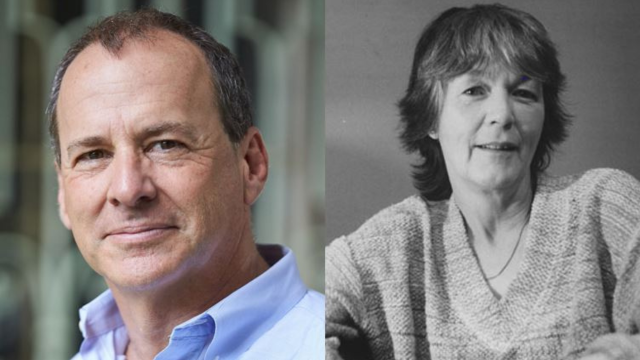
Leading experts on the Satanism scare, David Frankfurter and Jean La Fontaine, debunked Kent’s theories. His rejoinder was not persuasive.
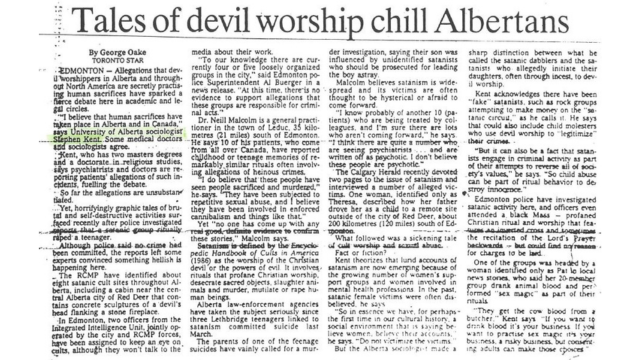
The anti-cult sociologist really believed that Satanic “human sacrifices” happened in Canada. But he admitted that he “never once came across a body.”
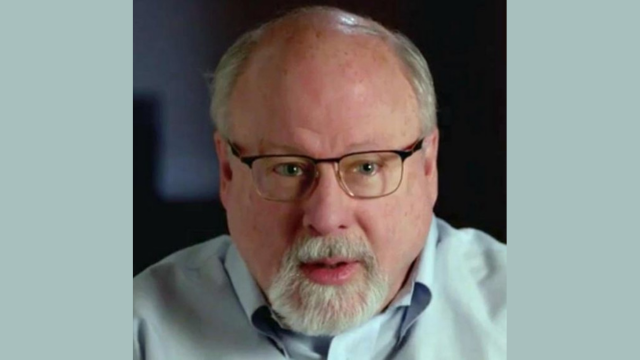
The most famous anti-Masonic hoax is a cautionary tale to keep in mind when examining claims by anti-cult scholars about Satanic or “cultic” abuse.
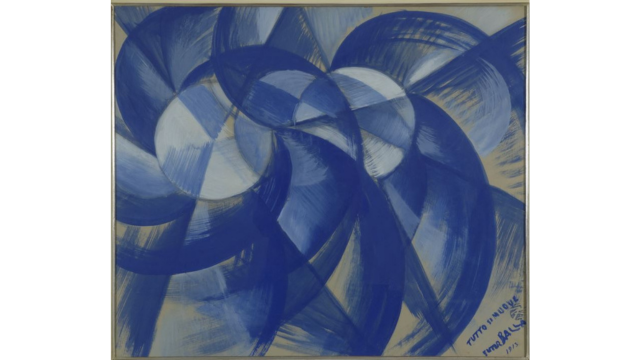
Balla created memorable Futurist-Theosophical icons before leaving Futurism, becoming a “Fascist realist,” and returning to abstract art in his late years.
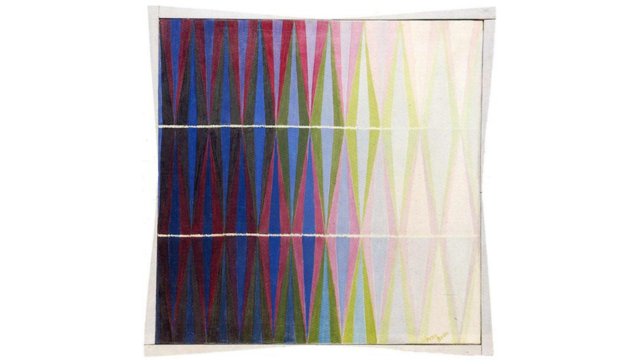
It is unclear when the artist first met the Theosophical Society. General Carlo Ballatore and politician Giovanni Amendola played essential roles.
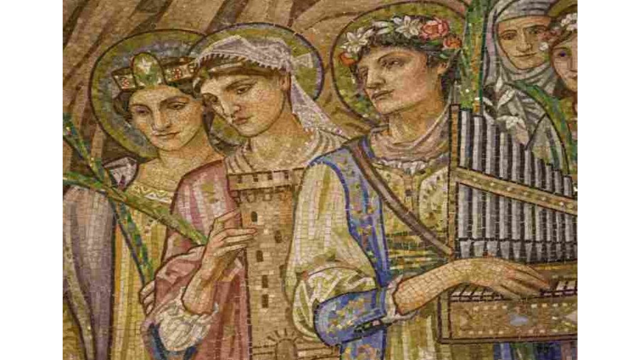
Freemasonry and the anti-Catholic rhetoric of the “Third Rome” were important for the friends Balla met when he moved from Turin to Rome. Theosophy was not far away.
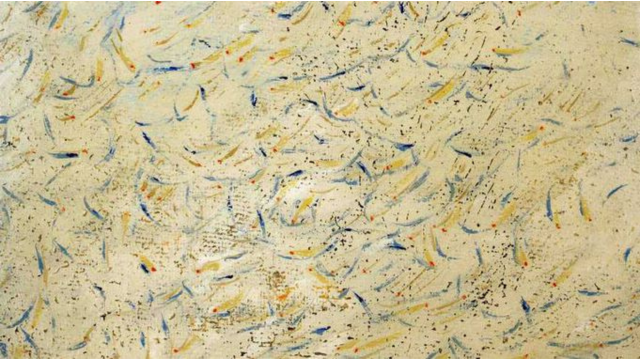
Arnaldo Ginna, a pioneer of Futurism and abstract art, joined the Theosophical Society in 1913. Theosophy profoundly influenced others as well.