The new Secretary of State destroyed CCP’s hopes that the U.S. position will change. Meanwhile, misguided Western media criticized Pompeo for what he got right.
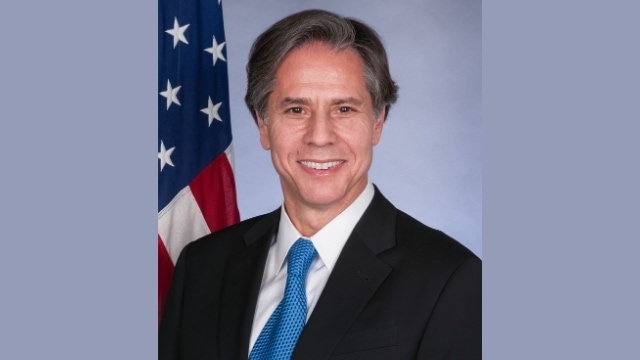
From Pompeo to Blinken, A Genocide Is a Genocide
read more

The new Secretary of State destroyed CCP’s hopes that the U.S. position will change. Meanwhile, misguided Western media criticized Pompeo for what he got right.

Kaisha Akan was beaten with a heavy iron object, and Murager Alimuly stabbed, confirming that the long arm of the CCP pursues asylum seekers abroad.

The Chinese Communist Party killed at least 70 million innocent victims. An international day of commemoration should remember them every year.

A Malaysian celebrity abjectly apologizes for a video about dumplings featuring a Chinese dissident.

The British Conservative Party Human Rights Commission report called again the attention on a brutal campaign of repression, made worse by COVID-19.

The U.S. officially adopted the designation, and in the UK an amendment to prevent trade with genocidal states was narrowly defeated.

The US introduces a bipartisan bill, and the UK House of Lords approves an amendment to combat one of the most heinous CCP crimes.

An avalanche of damning rhetoric and condemnation of China poured from the pages of a new report out last week. But will action follow?
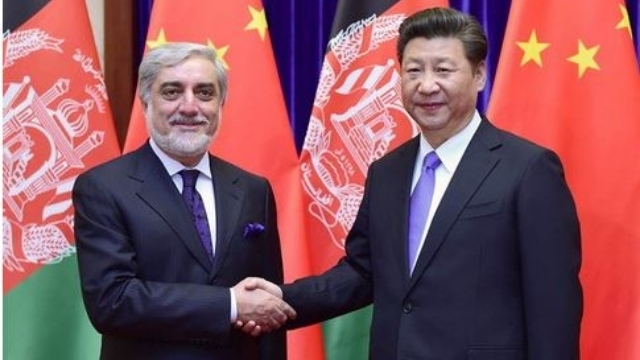
Ten Chinese agents were arrested and quietly expelled after trying to establish a false branch of the defunct East Turkestan Islamic Movement.

They argue that CCP “wolf warrior” diplomats are “not less violent and active in spreading fake news than Trump.”