The CCP calls the claim that genocide is taking place in Xinjiang the “lie of the century.” The European Parliament exposed the CCP as the real liar.

The European Parliament on Xinjiang: China Is Guilty of “Crimes Against Humanity”
read more

The CCP calls the claim that genocide is taking place in Xinjiang the “lie of the century.” The European Parliament exposed the CCP as the real liar.

Despite official denials, the policy is not only continuing. In fact, it is accelerating, as Adrian Zenz’s research shows.

In Guangzhou, the elderly were “helped” to celebrate the Dragon Boat festival and told they should not waste their pension money in illegal religion, xie jiao, or superstition.

The analysis of the year 2021 confirms that things in China went from bad to worse (with Bitter Winter as the most quoted media source).

With the world’s attention focused on Ukraine, it might seem that the anniversary of Tiananmen in 2022 would not be very much noticed. It was not so.

The religious and ritual features of groups such as the Tiandihui did not resist the competition of Christianity, Communism, and the new religions. In the end, only the criminal element remained.
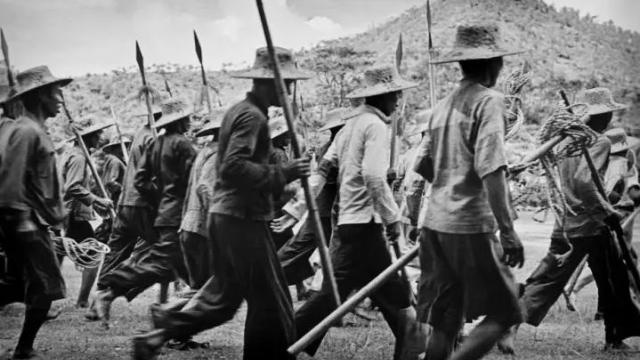
Confusion and ambiguity in the use of “fandong huidaomen” (reactionary secret societies) and “xie jiao” (heterodox teachings) has persisted to this day.

Both Sun Yat-Sen and some Marxists interpreted at least certain societies as forms of political or social rebellion.

By the 19th century, the society operated a wide range of criminal enterprises in several continents. But esoteric rituals were never forgotten.
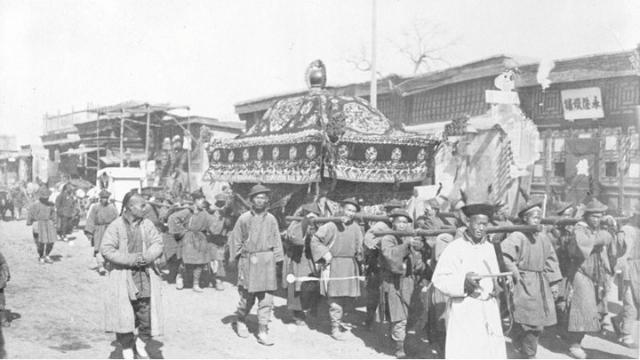
The most famous “secret society” was discovered in Taiwan in the 18th century. It was probably born as a group saving funds for weddings and funerals.