The Bavarian painter produced the most famous portraits of Masters Koot Hoomi and Morya—reportedly not through entirely natural means.


The Bavarian painter produced the most famous portraits of Masters Koot Hoomi and Morya—reportedly not through entirely natural means.

Un raport excelent, concentrat pe dezinformarea produsă de state nedemocratice, precum Rusia (cu citare „Bitter Winter”) și China. Ar fi putut adăuga că unele state democratice fac același lucru.
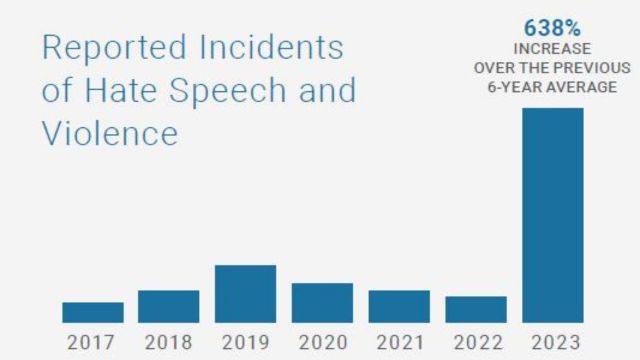
Diverse documente dovedesc că organizațiile private antisecte au avut un rol-cheie în redactarea unor politici guvernamentale care au provocat un val de discursuri ale urii și violență.

Erudiții cu titluri academice au un rol-cheie în a convinge instanțele și guvernele că „sectele” și „spălarea creierului” sunt etichete pseudo-științifice folosite pentru a discrimina minoritățile religioase nepopulare.
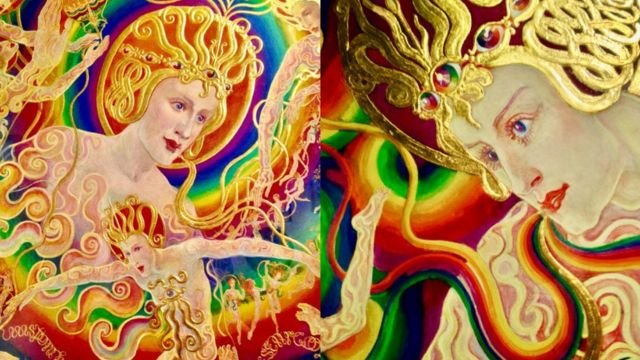
The British artist claimed that she did not paint anything. A spirit called J.P.F. did, using her as a mere tool.
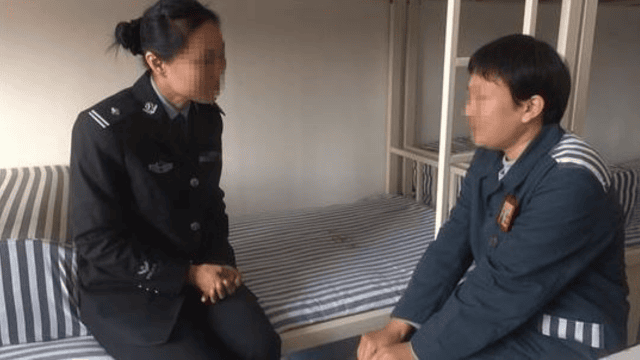
Today it is clear to scholars and to those who read the documents that The Church of Almighty God was not responsible for the homicide. But some still repeat the old fake news.
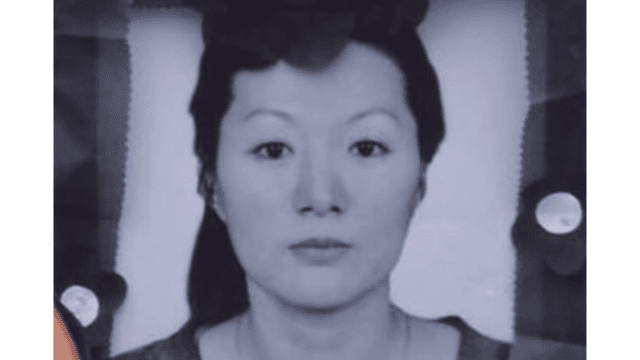
The horrific details of the crime confirm that its perpetrators were not members of The Church of Almighty God.
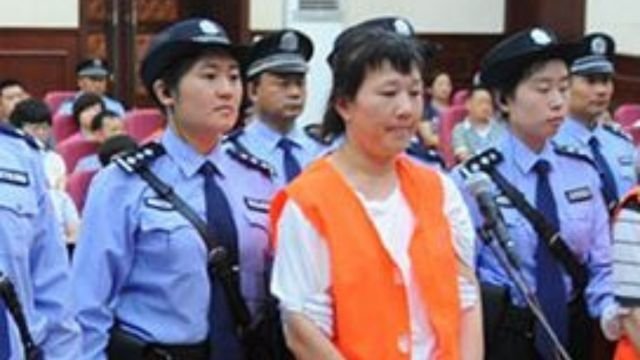
How the crime, committed by a different small religious movement rather than by The Church of Almighty God, was prepared.
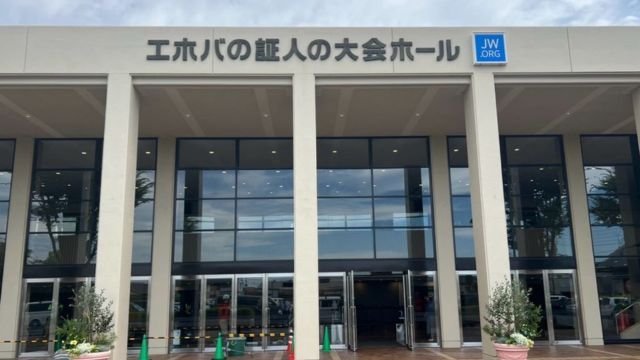
The American federal commission mentioned recent Japanese incidents. Other democratic countries could have been included, too.

国連の宗教または信条の自由に関する特別報告者は、2024年3月28日に日本訪問を公式に要請した。驚くべきことに、彼女の要請は受け入れられなかった。