On November 30, the Suwon High Court confirmed that the leader of the Korean new religious movements did not breach epidemic-related laws.


On November 30, the Suwon High Court confirmed that the leader of the Korean new religious movements did not breach epidemic-related laws.
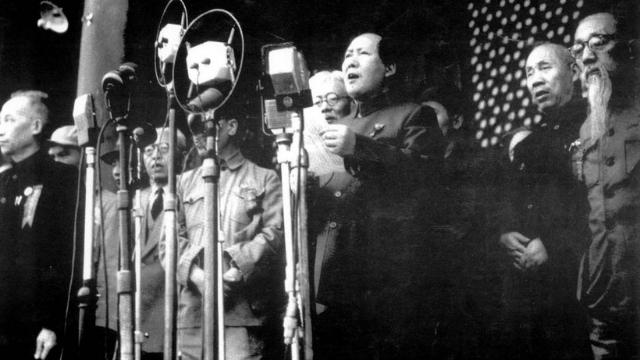
The document admits that Mao did make catastrophic mistakes—but Xi Jinping doesn’t.
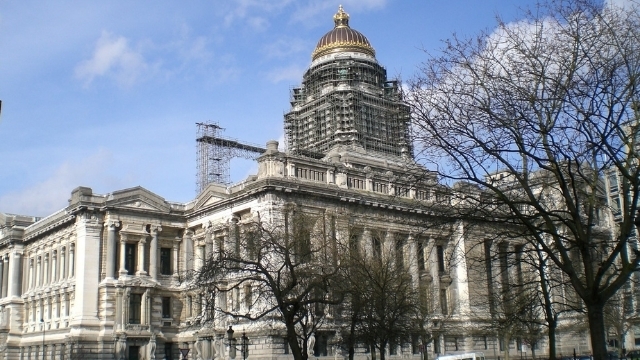
Belgijski sąd uznaje, iż ‛nie ma podstaw’ do twierdzenia, że organizacja nie zgłasza policji domniemanych zarzutów seksualnego wykorzystania dziecka.

Groups cannot be singled out as “cults” and discriminated through anti-cult propaganda or by using administrative tools, the judges said.
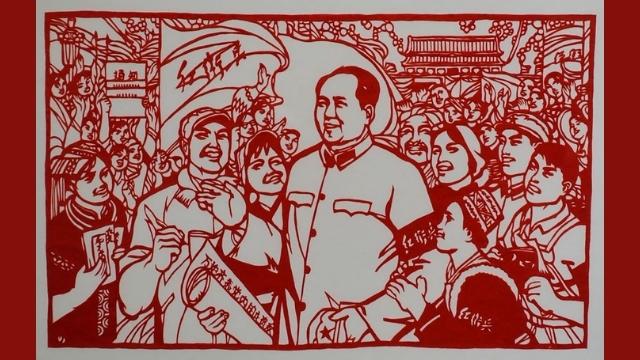
In presenting the early history of the Communist Party, the document praises the bloody purges of the Yan’an Rectification Campaign.

Kafka’s novel “The Castle” and Merton’s criticism of bureaucracy describe a situation that is also at work in the Tai Ji Men case.

The CCP perpetuates the myth that the West was responsible for the decline of China, and continues to praise the Taiping and Boxers “cults.”

The first national Illuminati scare in the U.S. was in 1798–99. The most recent one is still going on.
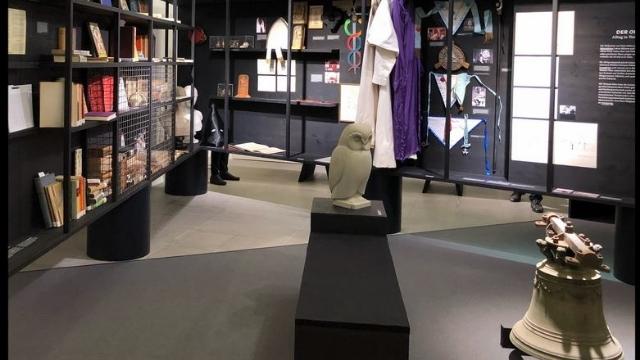
After World War II, the Illuminati order survived in Switzerland and remained in Outer Appenzell until 2008.
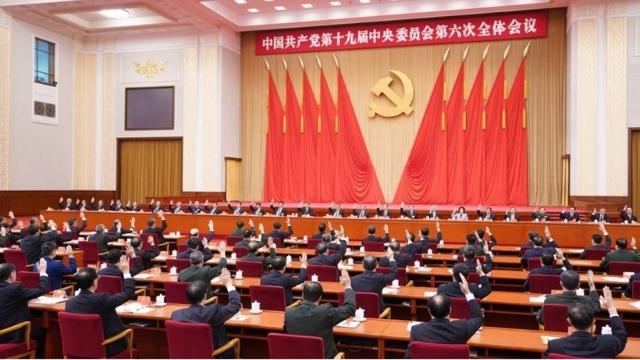
Many Western media commented the key document before its text was published, based on a press release. This led to incomplete analyses.