Repackaging repression as “assistance” is a primary tool of Chinese propaganda. A report unmasks a strategy based on lies.


Repackaging repression as “assistance” is a primary tool of Chinese propaganda. A report unmasks a strategy based on lies.
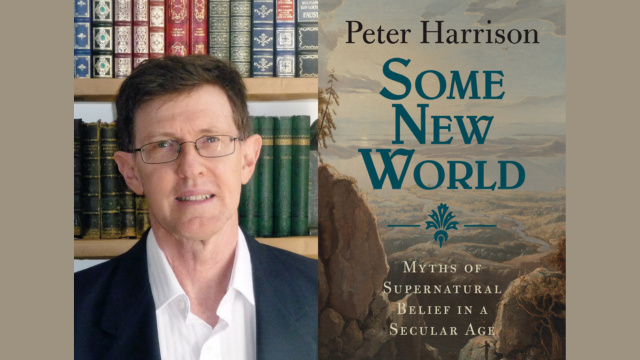
The Australian scholar has produced what may well be the most important book on religion in recent years.
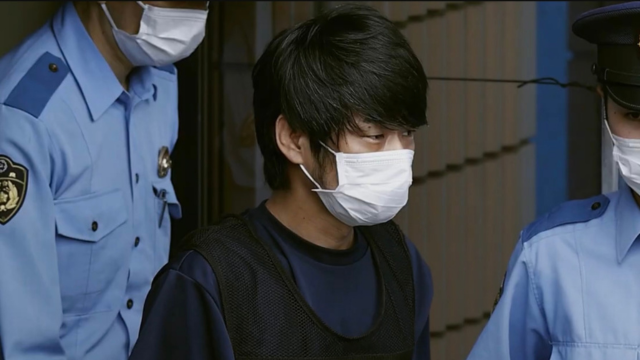
2009年、将来の殺人犯を含む山上家全員が統一教会と和解し、5000万円を取り戻した。
In 2009, all members of the Yamagami family, including the future killer, signed a settlement with the Unification Church and got 50 million yen back.

Henrik Bogdan and Manon Hedenborg White’s edition of Hirsig’s diaries demonstrates that Leah was not just a footnote in Crowley’s life but a significant force in her own right.
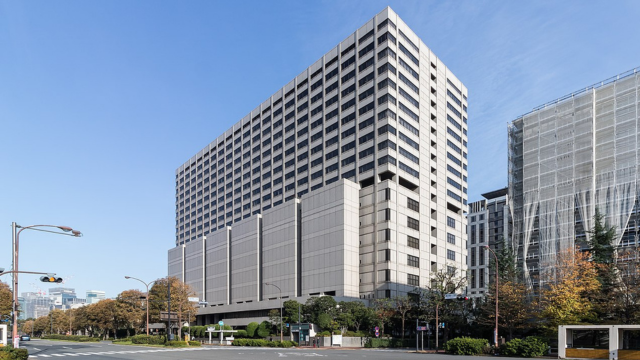
家庭連合の信者2名が高等裁判所で証言を許された。彼らは、中傷と差別を受けている数千人の教会員を代表している。
Two Family Federation believers were allowed to testify before the High Court. They represent the thousands of Church members who are being slandered and discriminated against.
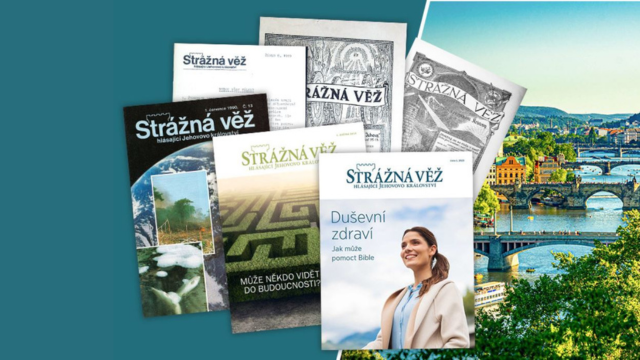
In a significant victory for religious freedom, the authorities admitted there was no ground for the draconian measure of liquidating the law-abiding organization.
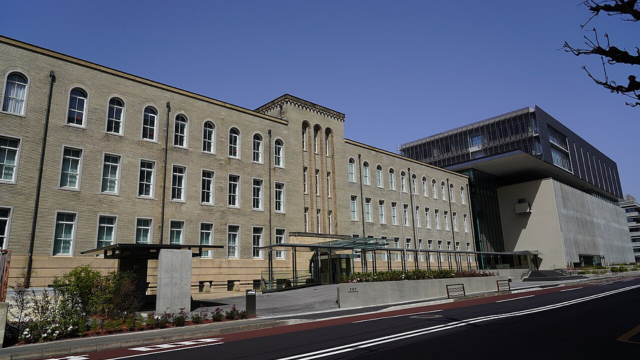
文化庁は、抗告審で解散決定が確定した場合、統一教会を清算するための徹底的な措置を継続すると明言している。
The Agency for Cultural Affairs vows to go on with its drastic measures to liquidate the Unification Church if the dissolution decision is confirmed on appeal.