On December 9, 2018, the Chinese Communist Party believed it had destroyed Pastor Wang Yi’s church. In fact, a powerful movement of prayer started that day.
by Feng Reng
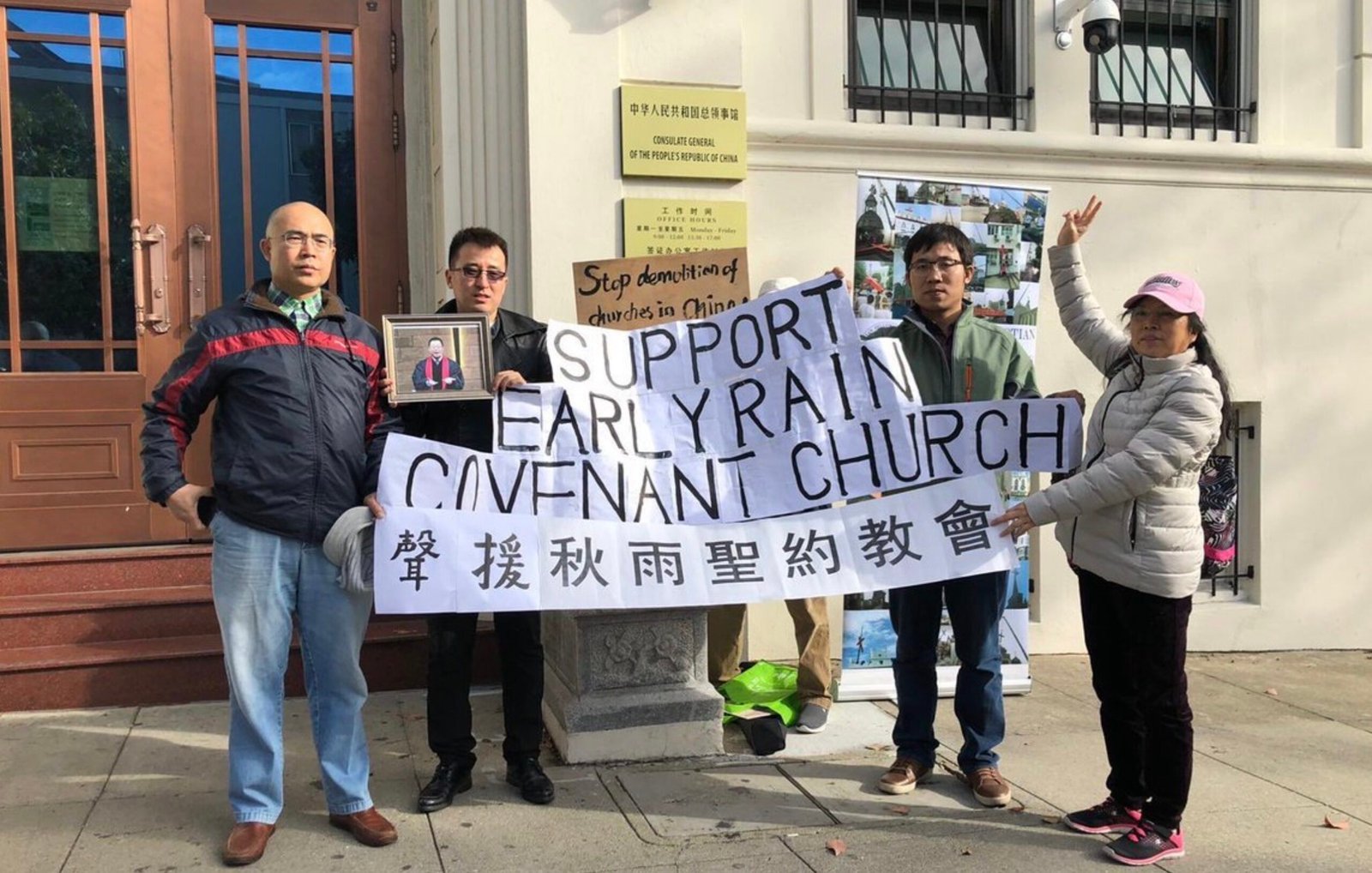
On the evening of December 9 this year, I participated online in a “Prayer Meeting for Persecuted Chinese House Churches” from my home in California. On the other side of the screen were Chinese Christians from around the world, as well as brothers and sisters still in China who had logged on despite the risk of surveillance. As I began to pray, I recited a “Prayer for Persecuted Chinese House Churches.” Halfway through, my heart had already flown back from Los Angeles to that distant yet increasingly vivid moment in time—December 9, 2018.
That night, the large-scale crackdown known as the “December 9th Church Incident” unfolded in Chengdu. Pastor Wang Yi and Elder Qin Defu of Early Rain Covenant Church, along with over a hundred fellow workers and members, were taken away by police, had their homes raided, and were interrogated overnight. The church premises were sealed off, church property confiscated, and many families forced to leave Chengdu. Subsequently, Pastor Wang Yi was sentenced to nine years for “inciting subversion of state power” and “illegal business operations,” while Elder Tan Defu received a four-year sentence. This became one of the landmark cases in the Chinese Communist Party’s systematic crackdown on religion in 2018.
At that time, I was still within the Great Firewall, knowing almost nothing about these events. Just as the truth about June Fourth and religious persecution remains blocked for many Chinese, the “December 9 Church Case” vanished from domestic online discourse, replaced by official narratives, vague charges, and widespread silence. It wasn’t until I was forced to leave China and eventually made my way to the United States—where I could freely access the internet and materials from overseas human rights organizations and churches—that I gradually pieced together what happened that night. Only then did I learn that in China, there existed such a group of pastors and fellow believers who were hunted down and sentenced for their faith.
If the “December 9th Case” were merely a historical event, it might have long been buried by newer news. But the reality is quite the opposite: it was more like a starting gun, heralding a new phase of systematic persecution against house churches in China.
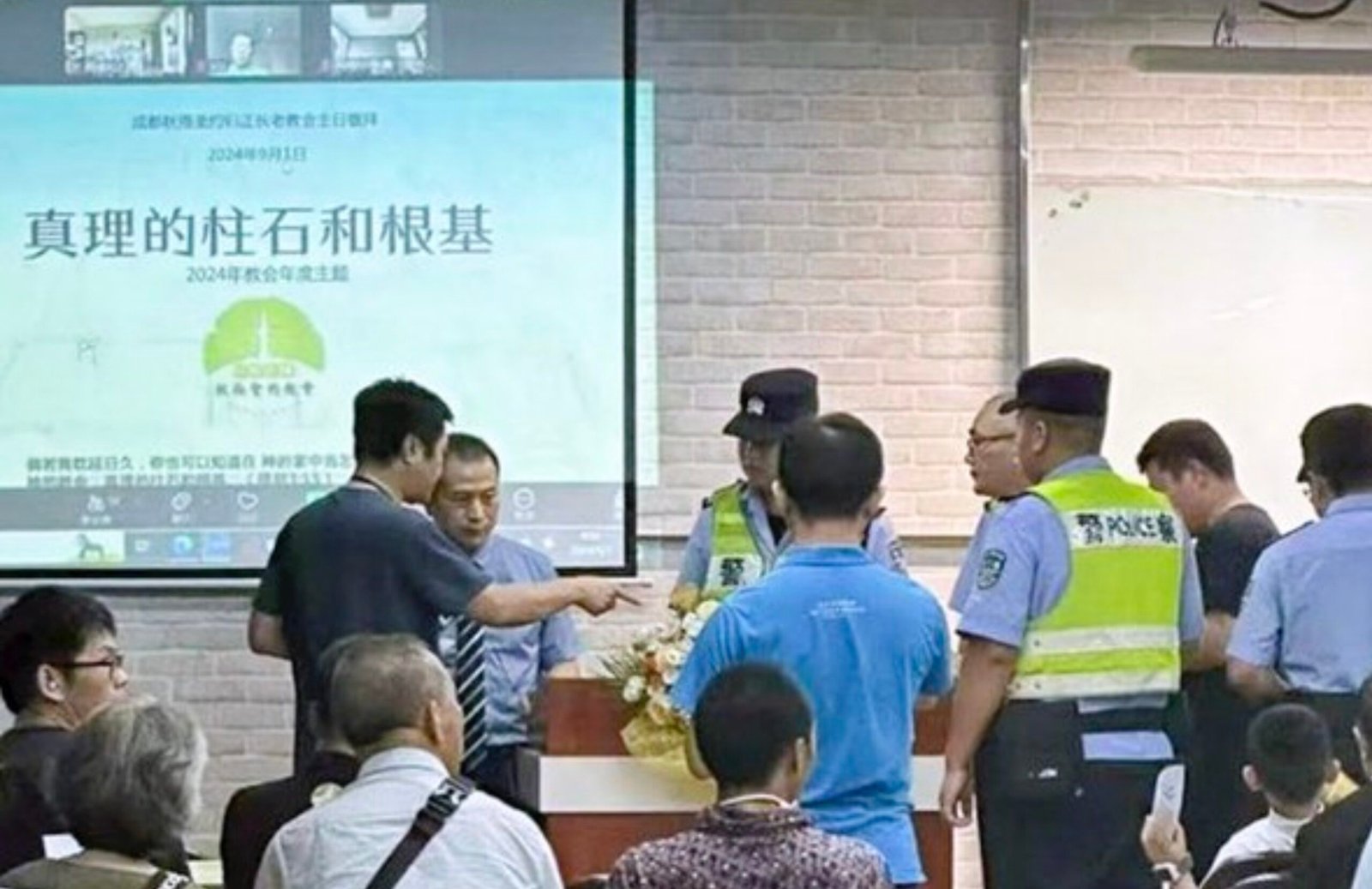
Over the past seven years, around December 9th, local authorities in Chengdu have consistently launched new “stability maintenance” campaigns: community officials conducting “talks” at homes, state security officers stationed at doorsteps, travel restrictions, forced “tourism-based stability maintenance,” midnight summonses, and even deliberate power cuts—all to prevent the Early Rain Covenant Church from holding commemorative gatherings or online prayer meetings.
On the fifth anniversary of the 2023 case, multiple co-workers and members were summoned, followed, or placed under surveillance. Some families had their power cut off, and some brothers spent the night at police stations.
On the eve of the sixth anniversary in 2024, even when several Christians gathered in a teahouse for tea and Bible study, police conducted surprise ID checks and warned them against participating in any religious commemorative activities. By 2025, on the seventh anniversary of the “December 9 Early Rain Church Case,” police again preemptively detained several core church workers at the police station, releasing them only after the global prayer meeting concluded that evening.
The persecution extends beyond Chengdu. Since the “December 9 Incident,” multiple house churches in Guizhou—including Pan Shi Church and Huo Shi Church—have been successively shut down, with pastors sentenced and congregants dispersed. The new Regulations on Religious Affairs and a series of supporting documents have further advanced so-called “religious management” into more meticulous surveillance, registration, filing, and suppression, attempting to institutionally push independent churches into the corner of illegality.
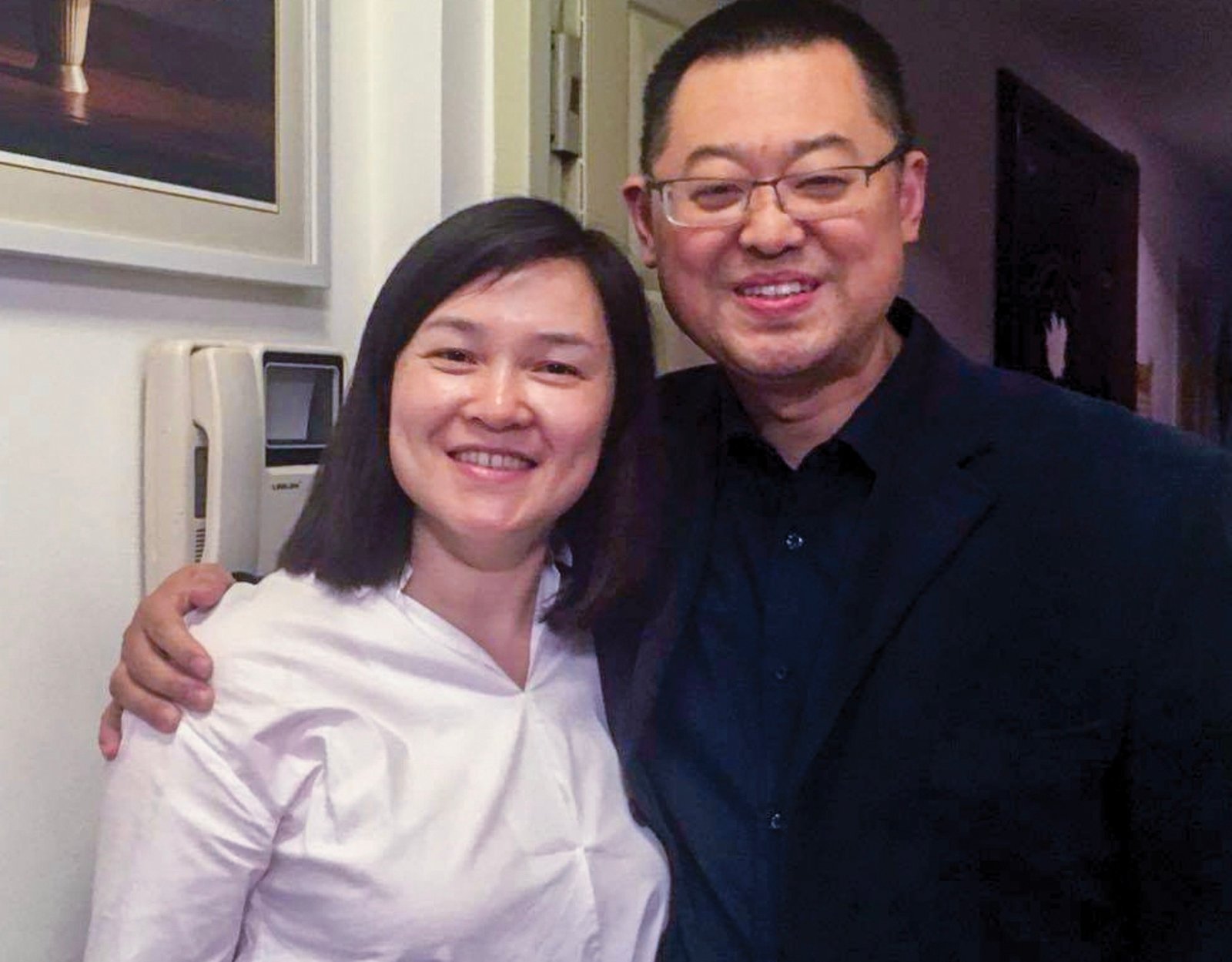
To outsiders, this may seem like just another news item among countless “sensitive incidents.” But for China’s house churches, “December 9th” has become a shared memory—not only the anniversary of the Early Rain Covenant Church incident, but increasingly a symbol for the “Prayer Day for Persecuted Churches in China.”
I was born in Hainan, China. I worked as a laborer and later drifted north to pursue a career in the arts. Later, I was silenced for my speech and forced to leave my homeland, relocating to California. Frankly, during my years behind the Great Firewall, my understanding of church persecution and pastors imprisoned was extremely limited—not because I didn’t care, but because I simply couldn’t see. The information curtain made choices for many: you thought you “knew nothing,” but in reality, you were deliberately kept “uninformed.”
It wasn’t until I gradually connected with churches in New Zealand and later in the United States, illuminated by God’s Word, that I began to look back at my own country. Slowly, I realized that the “December 9th Church Incident,” the “Chained Woman,” the arrests of human rights lawyers, and the heavy sentences imposed on dissidents were not isolated events. They were all cogs in the same totalitarian machine—a machine designed to control not only people’s freedom but also their souls.
As a Chinese convert to the faith, I am often filled with shame. When Pastor Wang Yi, Elder Li Yingqiang, and the brothers and sisters of Early Rain suffered for the gospel in prisons and interrogation rooms, I was still preoccupied with making a living in China, unaware of their names. When house churches in Guiyang, Chengdu, and Guangzhou were raided and their homes ransacked, I remained numbed by the regime’s propaganda, unconcerned about religious freedom.
Precisely because of this, as I stand today in the free air, taking up the microphone or keyboard as an exile and a new believer to write prayers and testimonies for them, I know full well that I too was once that person “indifferent in comfort.” So in that prayer, I specifically sought forgiveness for myself and for overseas Christians like me: “Forgive us for our hearts grown cold in comfort, grant us courageous spirits willing to speak out in this land of freedom.”
Many assume prayer is merely a religious ritual, concerning only “personal spirituality,” unrelated to public events or social justice. But for Chinese Christians like me, facing the “December 9 Early Rain Church Case,” prayer is both worship and indictment. When I pray: “The Chinese Communist regime treats ‘freedom of belief’ as an empty slogan, yet uses the machinery of the state to persecute Your church, tear down Your sanctuary, and silence Your people,” this is not abstract theology, but a specific identification of countless concrete scenes: doors smashed open at dawn, Bibles and hymnals confiscated, brothers and sisters taken to police stations, even children’s Sunday school labeled an “illegal gathering”—an absurd reality.
When I quote the Lord’s words in prayer: “Blessed are those who are persecuted for righteousness’ sake, for theirs is the kingdom of heaven,” I thought of pastors and co-workers still imprisoned—their verdicts labeled “inciting subversion” and “illegal business operations,” yet before God inscribed as “suffering for Christ”; deemed “criminals” and “dissidents” by humans, yet “faithful and good servants” before Him.
When I prayed: “May the unshakable kingdom—the kingdom of heaven—come soon, and may China become a nation that worships You,” I am not writing from a place of “spiritual escapism,” but rather a rejection of the existing unjust order: a regime that continually suppresses faith, tramples on human rights, and conceals the truth cannot endure forever. What truly cannot be shaken is not any empire, but God’s kingdom—the kingdom built upon righteousness, justice, and truth.
This is precisely one reason I chose to write this article: for those of us concerned about China’s destiny, faith and freedom, human rights and the gospel, are different facets of the same battle. Praying for the “December 9th Early Rain Church Case” does not mean shifting it from the public sphere to the religious sphere, but rather reaffirming before God that our longing for justice and our hope for a free China are ultimately rooted in the righteous God.
One thing totalitarian regimes excel at is making people forget: forgetting who was arrested, forgetting who remains imprisoned, forgetting the cries of that night, and eventually even forgetting why they were afraid. As a Christian and as a Chinese person who can still write freely overseas, I may not be able to do much, but I can at least do two things: pray and write. Prayer keeps me from becoming numb again amid busyness and comfort. Writing allows those names deliberately erased to be seen once more on paper and in memory.
At this year’s global prayer gathering marking the seventh anniversary of the “December 9th Early Rain Church Case,” fellow workers released a list of 68 persecuted house churches, reminding the world: Early Rain is not an isolated case. China’s house churches are enduring an era of collective oppression and strict control.
As I finish this piece, the prayer echoes in my mind: “Use us as Your channel to proclaim the testimony from persecuted lands, so more may know Your Gospel—unbound by chains.” For someone like me—an ordinary Chinese person who migrated from rural Hainan to work in Beijing before being forced into exile in California—the “December 9th Incident” is no longer merely a chapter in church history. It has become a litmus test for how China treats conscience and faith in this era.
I long for the day when we recall December 9, 2018, not merely to commemorate persecution, but to recount a transformed history: when imprisoned pastors regain their freedom; when demolished churches reassemble; when silenced voices resume their normal course; and when people on Chinese soil no longer face imprisonment for their faith or for speaking truth.
Until that day truly arrives, I choose to continue a seemingly small act: praying for the Chinese church from a place of freedom; writing for China’s conscience from a place of freedom.
May God have mercy on China. May the memory of “December 9th” become the starting point of our refusal to remain silent, not the endpoint of habitual fear.
**
Prayer for Persecuted Chinese House Churches by Brother Feng Reng
Dear Heavenly Father:
We thank You for sending Your Son Jesus Christ to lay down His life for us, that we might be justified by faith and receive eternal hope. Today, on this day of spiritual unity, we join brothers and sisters worldwide in offering You heartfelt and reverent cries for China’s suffering house churches—for those imprisoned, displaced, or even paying with their lives for their faith.
Lord, over the past year, we have witnessed the intensifying persecution against the Chinese church. From Guangzhou, Chengdu, and Guizhou to Henan, Zhejiang, and Heilongjiang… house churches have been shut down, meeting points raided, pastors taken away, and believers interrogated. The Chinese Communist regime treats “freedom of religion” as an empty slogan, yet uses the machinery of the state to persecute Your church, tear down Your holy temples, and attempt to silence Your people.
Lord, we know that none of this occurs without Your permission. For You have said, “Blessed are those who are persecuted for righteousness’ sake, for theirs is the kingdom of heaven.” Strengthen every suffering pastor and believer, Lord, that they may stand firm in the Lord through trials, looking forward to the better homeland—the heavenly Jerusalem. Grant healing and comfort to the brothers under detention, the sisters facing threats, and their families on earth.
Lord, we also pray for ourselves: Forgive our hearts that have grown cold in comfort. Grant us courageous spirits willing to speak out in free lands, stand for truth, and intercede for those suffering for righteousness. Use us as Your instruments to proclaim the testimony from persecuted lands, so more may know Your Gospel—unbound by chains.
Lord, have mercy on China and grant repentance and revival. May the unshakable kingdom—the kingdom of heaven—come soon. May China become a nation that worships You, and may the light of the cross shine into every dark corner.
In the victorious name of our Savior Jesus Christ, Amen.

Feng Reng was a businessman in China and a dissident who escaped the country in 2022. He is currently based in Los Angeles. He converted to Christianity overseas and became a member of Pastor Zhang Boli’s Harvest Chinese Christian Church. He has contributed articles to several newspapers and magazines about the persecution of Christians in China.