All around the world, Christians donate to local needs and to help with world tragedies. In China, however, this is prohibited.
by Vivian Ren

I am an ordinary Chinese Christian who was baptized in 2024 at a church affiliated with the Three-Self Patriotic Movement. After baptism, I was filled with a deep desire to live out my faith, and the most direct way to do so was to practice the teaching of “loving others as myself” through charitable work. James 1:27 in the Bible states: “Religion that God our Father accepts as pure and faultless is this: to look after orphans and widows in their distress and to keep oneself from being polluted by the world.”
This verse deeply moved me.
Initially, I attempted to donate daily necessities to orphans at a local children’s welfare home and to the elderly residents there through my church. In July and September 2024, I proposed this idea twice, only to be told that direct donations in the name of the church or individual believers were not permitted. Instead, contributions must be coordinated through government-designated neighborhood offices or civil affairs departments. The church explained this was to comply with regulations and avoid complications. Though puzzled, I respected the church’s decision and shifted to coordinating through government channels.
By December 2024, the Russia-Ukraine war persisted. Media reports of Ukrainian women and children suffering in the bitter cold deeply pained me as a mother. I wished to contribute modestly by donating winter clothing, shoes, and bedding. Considering past trust issues with some prominent charities, I contacted my church, hoping to channel these supplies directly to reliable local churches or humanitarian organizations in Ukraine. The response, however, was unequivocal: domestic churches are strictly prohibited from any direct contact with overseas churches or charitable organizations, let alone making donations abroad in the name of the church or its members.
This response left me perplexed. A core tenet of Christian faith is loving others without borders and aiding those in need. Matthew 22:39 states, “Love your neighbor as yourself.” If even the most fundamental acts of kindness face such stringent restrictions, how can the church’s charitable practices truly embody Christ’s love?
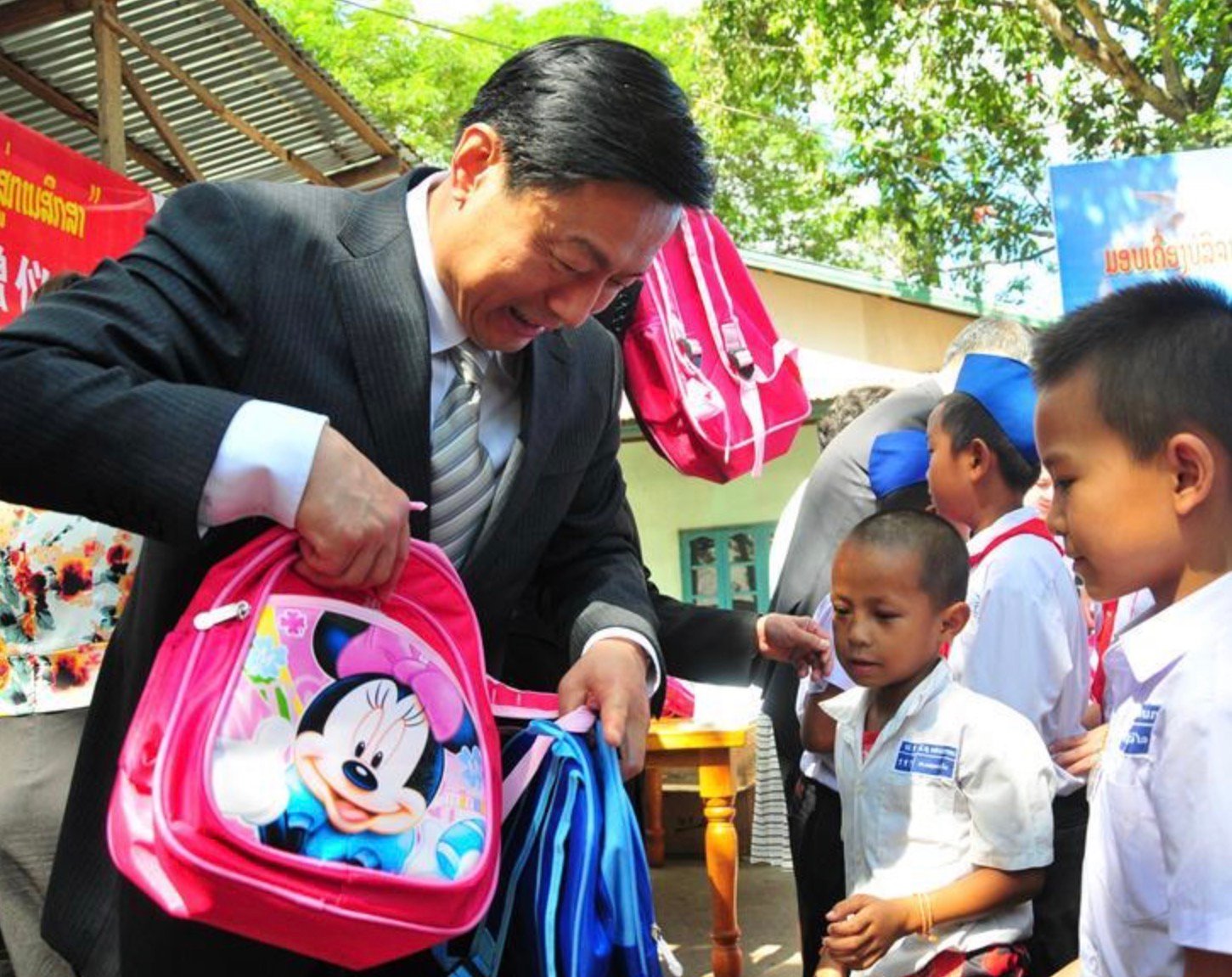
Later, I learned that Chinese authorities encourage religious groups to engage in charity to contribute to society, but all activities must operate within a government-regulated framework. As the officially recognized channel, the Three-Self Church must integrate its charitable actions into the direction of “Sinicization of religion,” implementing them through government-approved institutions like the Red Cross and civil affairs departments. Even for the Three-Self Church, direct cooperation with overseas religious or charitable organizations is subject to strict limitations and requires cumbersome approval and filing procedures, making it practically unfeasible. For unregistered house churches attempting independent philanthropic work, such efforts are more likely to be deemed “illegal religious activities.”
While these regulations may serve administrative purposes, they create tangible difficulties for ordinary believers in practicing their faith. We do not seek to challenge any system; we wish to follow the Bible’s teachings in helping those in need. Yet when goodwill is constrained by layer upon layer of restrictions, and “loving others as ourselves” becomes an unattainable ideal, deep confusion and a sense of powerlessness inevitably arise within.
As a believer, I continue to learn how to balance reality with faith. Yet I am increasingly sure that true devotion extends beyond gatherings, sermons, hymns, and prayers—it must manifest Christ’s love in daily living. May the day come when we practice this love more freely, caring for orphans and widows in distress, letting faith’s radiance warm more hearts in need.

Uses a pseudonym for security reasons.