A dissident’s trial reveals how a quiet city enforces the National Security Law with far‑reaching consequences. It is the first case tried under the new law.
by Yoyo Ng
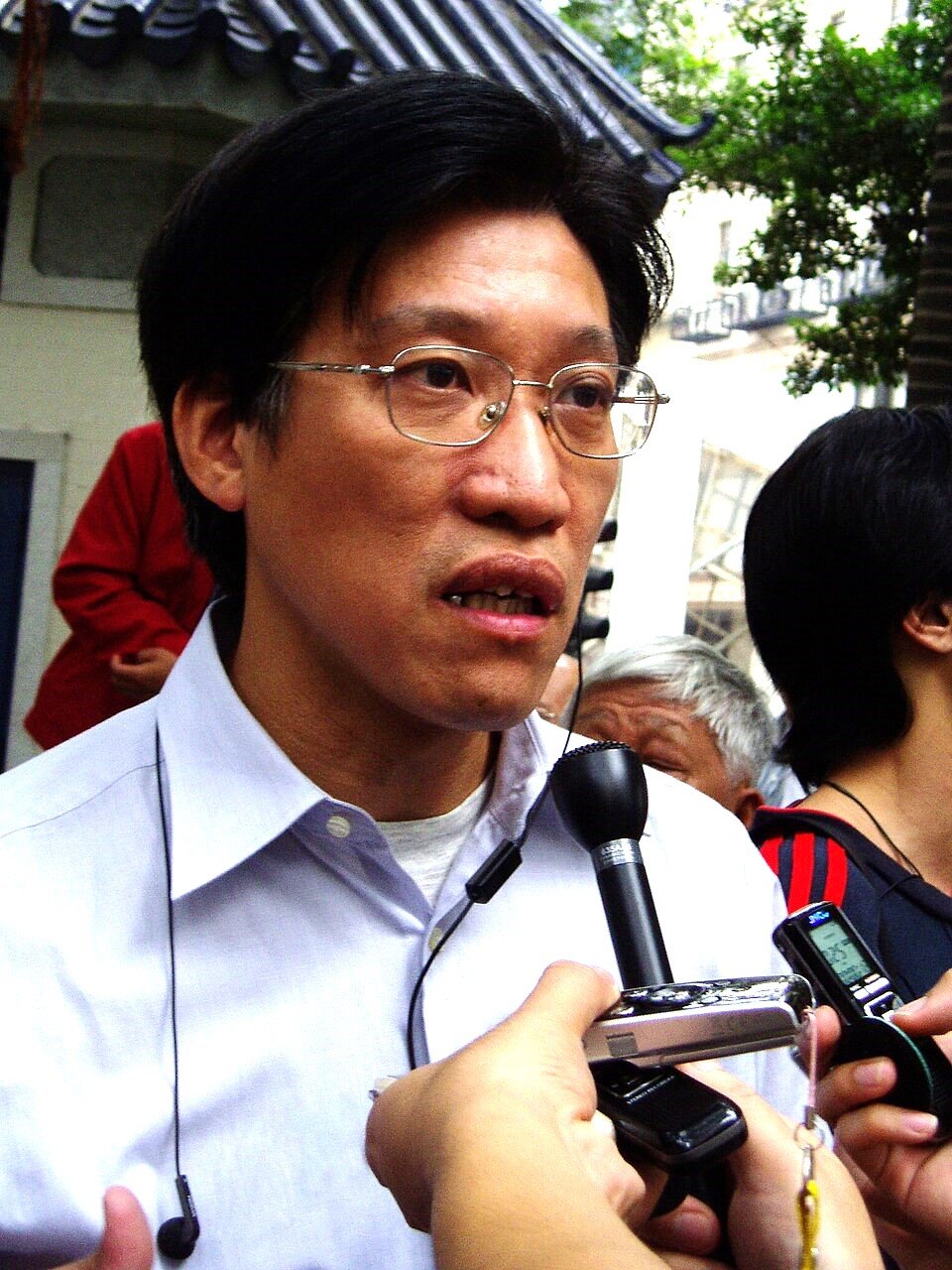
For years, observers of Chinese politics have focused on Hong Kong as the place where the National Security Law reshaped public life. Macau received less attention, perhaps because its civil society was smaller or its political debates less visible. Yet the case of Au Kam San shows how the same legal architecture operates in Macau with determination and how its enforcement reaches figures who once embodied the territory’s democratic aspirations.
The Court of First Instance of the Macao SAR announced on July 9, 2026, that the preliminary examination of the Au Kam San case had concluded on July 2. The judges endorsed the prosecution’s accusations, and the proceedings will now move to the trial stage. This case is important as it represents the first enforcement of Macau’s National Security Law.
Au Kam San is a familiar name in Macau. Born in 1957, he grew up in the territory, studied social sciences at the University of East Asia, later earned a master’s degree in education in Guangzhou, and returned to teach in a local primary school. His public life began in the late 1980s, when he joined the group that would become the Macau Democratic Development Union. He remained active even after the June Fourth crackdown, when many pro‑democracy activists in Macau faced intimidation, professional pressure, and street violence. He eventually entered the Legislative Assembly, serving five consecutive terms after the handover and becoming one of the most recognizable democratic voices in the city.
His trajectory was not without friction. In 2018, during a public consultation on a communications‑interception bill, he questioned the police’s surveillance powers and insisted that any monitoring of telephone conversations should require judicial authorization. The head of the Public Security Police accused him of “reckless speculation” and “slander,” and the authorities pursued criminal charges. The episode became a watershed moment, as it signaled how narrow the space for dissent had become.
In 2021, after he criticized Beijing’s overhaul of Hong Kong’s electoral system, several legislators demanded explanations and retractions. He eventually announced he would not run again, ending two decades of direct elections.
The turning point, as “Bitter Winter” reported, came in July 2025, when Macau’s Judiciary Police arrested him under Article 13 of the National Security Law, which criminalizes establishing contacts with foreign organizations deemed harmful to national security. The authorities claimed that since 2022 he had allegedly communicated with overseas groups, provided large amounts of “false and inflammatory” information, and contributed to online displays of anti‑Chinese sentiment. They also accused him of encouraging hostile actions against China and Macau and of undermining the territory’s electoral system. His home was searched, books were seized, and his wife was taken away for questioning and later listed as a witness.
The charges are severe. He faces accusations of “overthrowing state power” and related offenses, with a maximum sentence of twenty‑five years. The case completed its preliminary examination on July 2, 2026, and is now awaiting trial. The European Union issued a statement on August 2, 2025, expressing concern about the arrest and about the erosion of political pluralism and freedom of expression in Macau. International human rights organizations have echoed these concerns, noting that the National Security Law adopted in 2023 expanded the scope of punishable conduct and created broad categories of offenses that can be applied to political speech, academic exchanges, and civil society activities.
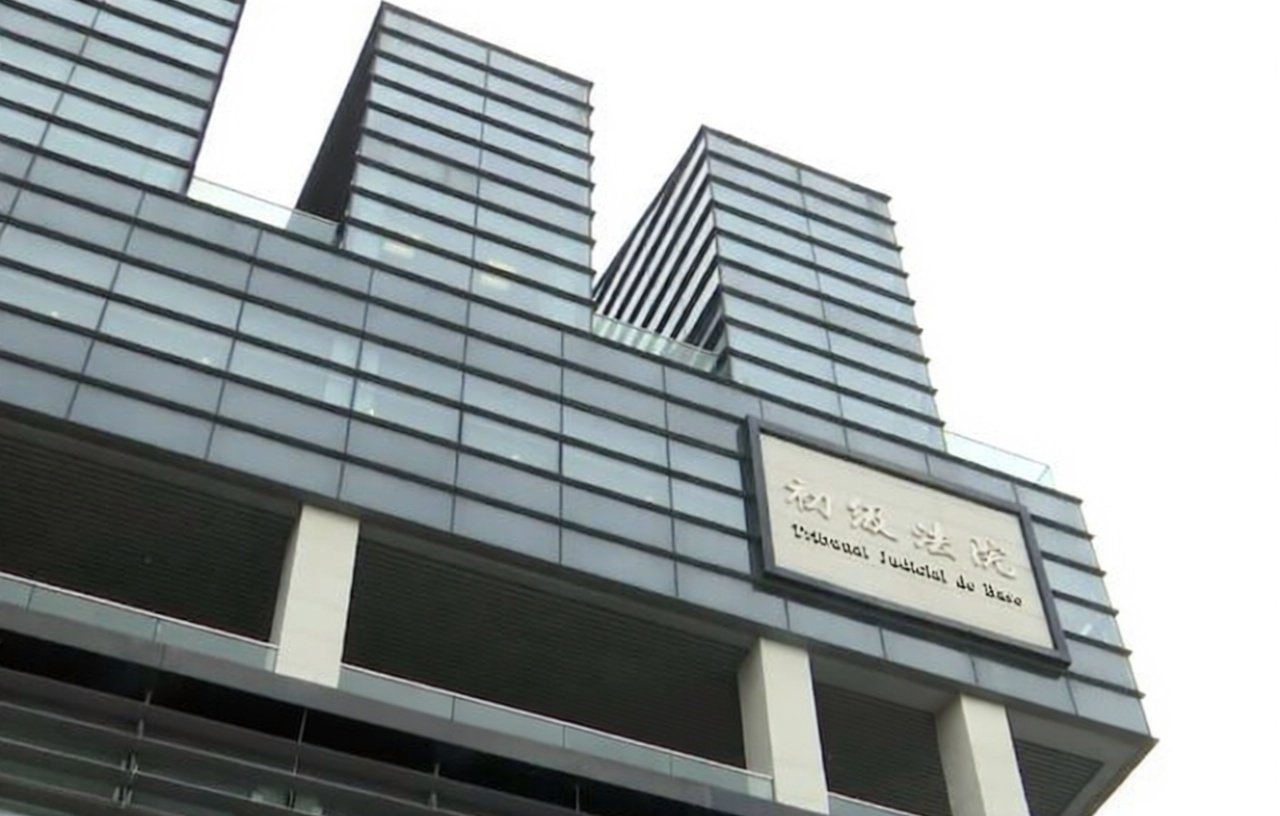
Macau seldom appears in global headlines, yet its legal environment mirrors Hong Kong’s in both logic and reach. The Au Kam San case demonstrates how the National Security Law functions as a tool to reshape the territory’s political landscape and how its enforcement targets individuals whose careers were built on public service and democratic participation. It also shows how the boundaries of permissible speech have tightened and how the authorities treat any contact with foreign organizations as a potential threat.
Au Kam San is currently held in a detention facility in Macau. His trial will be a moment of truth for the territory, revealing how far its institutions have moved from the pluralism, however limited, that once characterized its political life. The case is a reminder that repression does not always unfold in the places that attract the most attention. Sometimes it advances quietly, in a city known for casinos and tourism, where a former legislator now waits for a verdict that may define the future of dissent in Macau.

Uses a pseudonym for security reasons.