When, instead of informing, the press becomes a re-educator of the people, oppression and even violence are just around the corner.
Marco Respinti*
*Conclusions of the webinar “Media Bias Against Spiritual Minorities and the Tai Ji Men Case,” co-organized by CESNUR and Human Rights Without Frontiers on May 4, 2026, after the United Nations World Press Freedom Day (May 3).
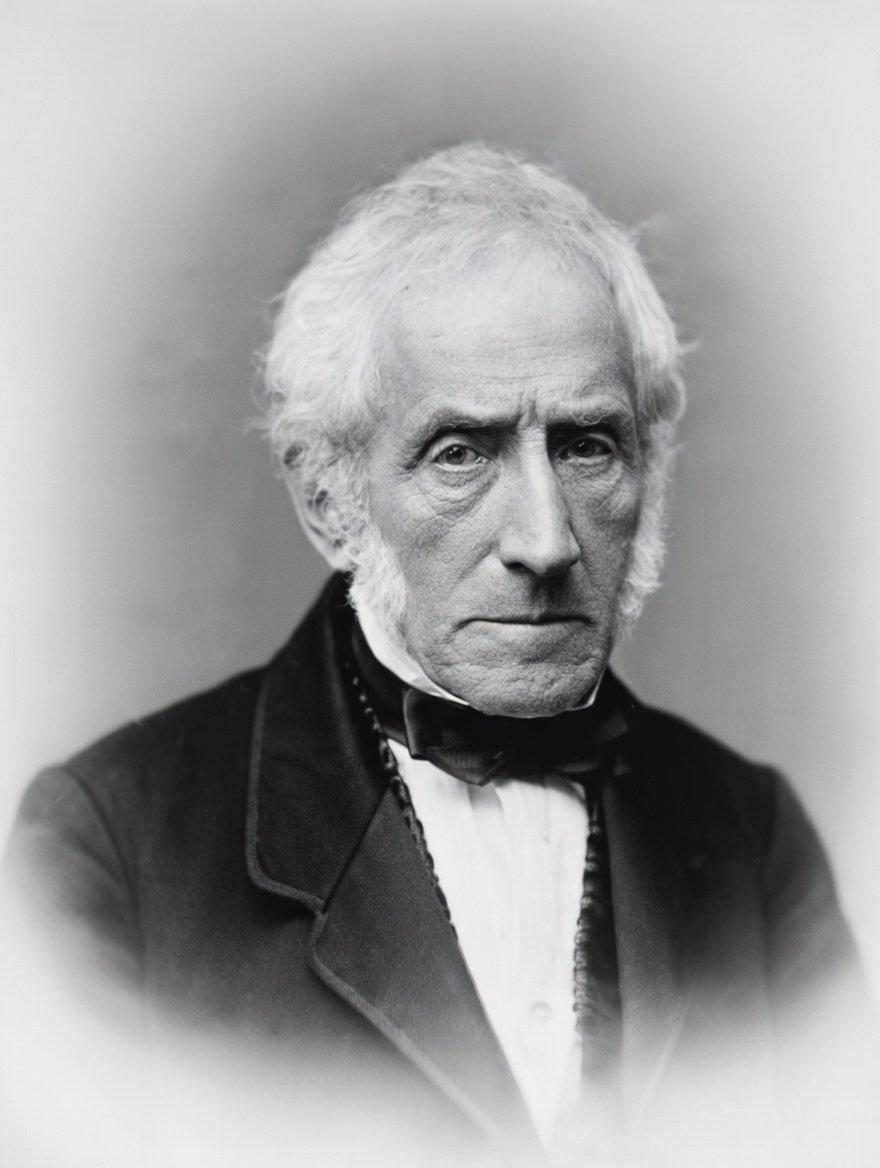
Writer Alessandro Manzoni (1785–1873) is the famous Italian author of the novel “I promessi sposi,” whose title in English is “The Betrothed.” The definitive edition was published between 1840 and 1842. Later in life, he authored an essay entitled “La Rivoluzione francese del 1789 e la rivoluzione italiana del 1859,” or “The French Revolution of 1789 and the Italian Revolution of 1859.” He composed it between 1862 and 1864, revising it repeatedly and leaving it unfinished. It appeared posthumously in 1889.
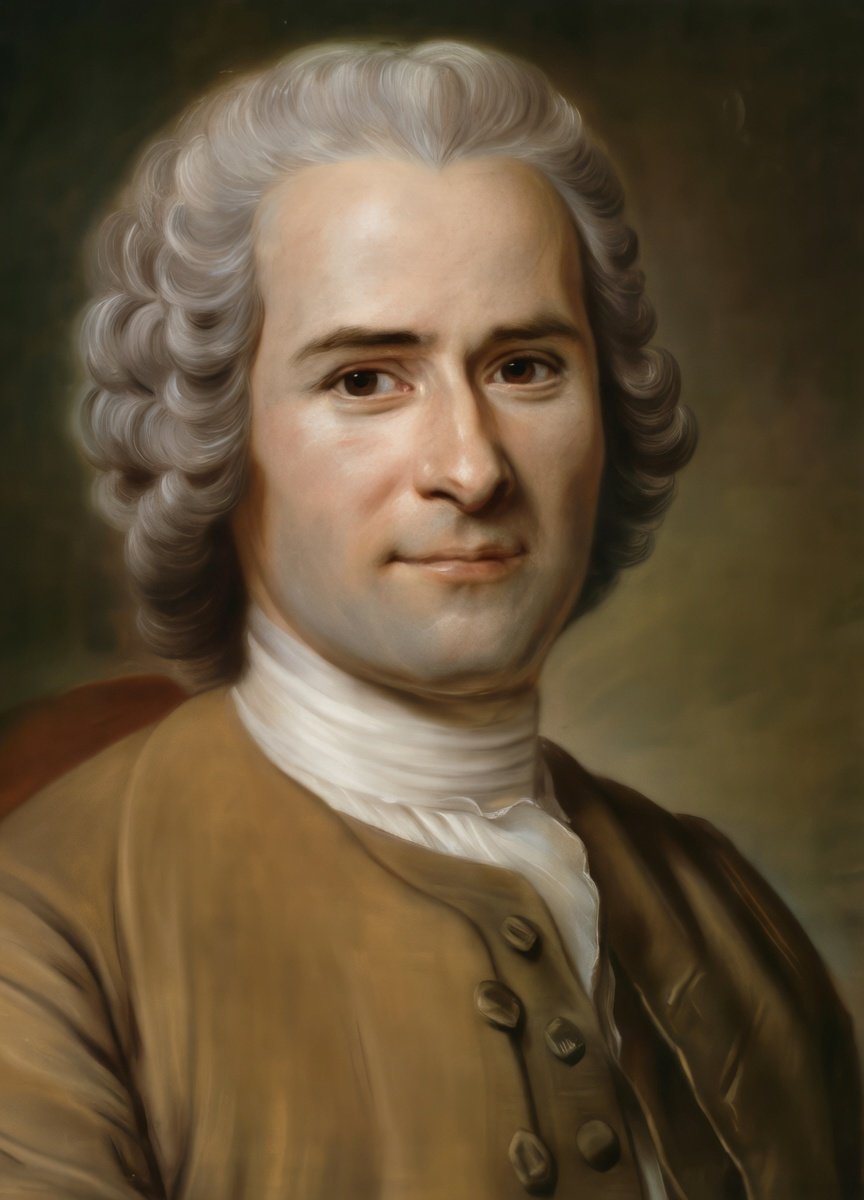
In this text, he delivers a forceful indictment of the French Revolution (1789–1799). One of the sharpest and wittiest critiques he penned is addressed to the philosopher Jean-Jacques Rousseau (1712–1788) and to Emmanuel Joseph Sieyès (1748–1836). The first is considered one of the most influential thinkers of the time that preceded and prepared the French Revolution. The latter, a defrocked priest who later passed through several opportunistic party switches, was one of the most able ideologues of the period. Both are responsible for elaborating what can easily be called the doctrine of the “general will.”
While the expression “volonté générale” truly belongs to Rousseau, each of the two contributed to its substance. In their able rhetoric, unmasked by Manzoni, “some” becomes “all,” and “a few” becomes “everyone.” Subsequently, the voice of a faction grants itself the authority to represent first a majority and then, easily, the totality.
Once they reach political power—often by dubious means—this minority takes the lead and imposes its will on the whole people of a country by claiming to represent their true feelings and mind. From this lineage emerge political vanguards and parties that claim to speak as oracles of “the people,” even arrogating to themselves the right to use violence to impose the good “of all” upon dissenters. Having turned a deaf ear to Manzoni’s warning, the violent history of revolutions—Communist, National Socialist, and Fascist—has sadly demonstrated how this happens in practice.
A strong aid to revolutions and their violent vanguards has constantly been provided by propaganda, through which factions and parties have ended up convincing the people that parts rightly speak for the whole—and when they did not succeed in convincing, they forced this false truth upon people.
We now live in a world where media, which should, by vocation, be the watchdogs of democracy, have reinvented themselves as instruments of propaganda. Their reasons for doing so are legion, and not all of them have theoretical dignity, but one stands above the others. The media are convinced that they are the source of truth instead of its means, and when not the source, they believe themselves to be so close to that source as to be its authorized mouthpiece.
This behavior also has an explanation. Their power, greatly increased in illiterate societies and in contexts where the very concept of truth is regarded as obsolete, gives them the conviction that they “know it better” than others, than the majority, than the antiquated reality common sense suggests. In a word, media in a relativistic society act like the factions and parties of Rousseau and Sieyès exposed by Manzoni. They “know it.” They know they “know it.” They believe they are entitled to impose their truth and re-educate everyone accordingly.
This is particularly evident and staggering in democratic societies, where consensus is everything, and in the most delicate field of all, precisely because it concerns the most intimate and intangible political right of human beings: religious liberty.
It is tempting to imagine that the enemies of religious liberty lurk in the shadows, elusive and hard to name. In truth, they act in daylight and are drearily predictable, wearing the familiar garments of our age. In newspapers, on TV, radio, the Internet, and social media, the press magnifies the dynamics of the contemporary secular state, with its intricate bureaucracy composed of ministries, fiscal authorities, and regulatory commissions—and is constantly supported by anti-cult campaigners, who “know it better” than anyone else.
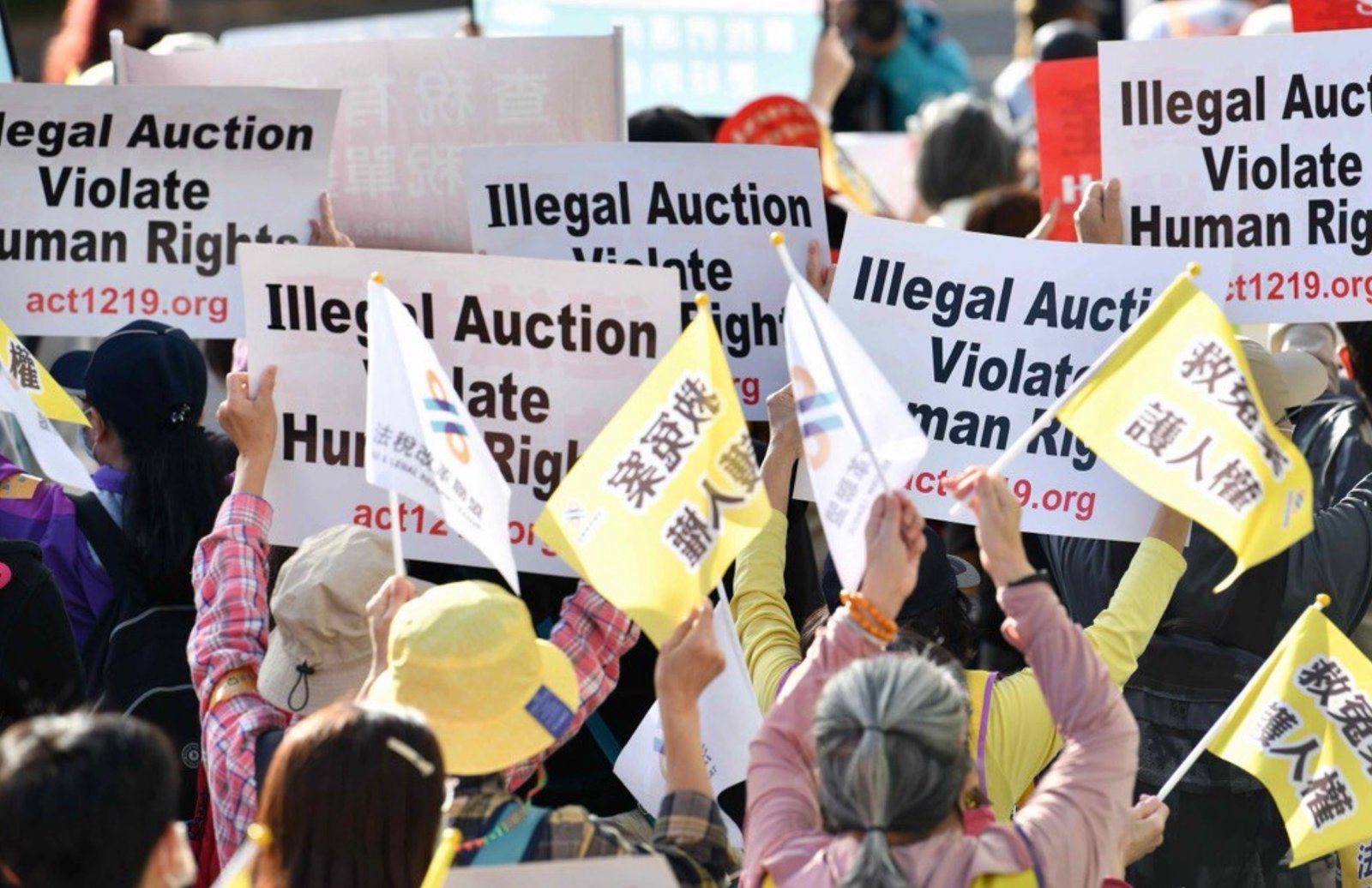
In this upside-down world, where guarantors of freedom until proven guilty beyond any reasonable doubt turn into instigators of repression and often into torturers, the case of Tai Ji Men in the Republic of China (Taiwan) is always revealing.
I already had the occasion to cite an instructive example in Italy, my country. I wish to repeat it here. The television series “Un passo dal cielo,” produced a few years ago by the public broadcaster RAI and widely appreciated for its tone of moral clarity and human warmth, introduced in later seasons a figure cast as the archetypal leader of a “cult,” implicated in serious crimes. The group is, of course, invented, but the pattern is not. It gathers in a single narrative thread the elements that audiences have learned to associate with the very word “cult”: secrecy, manipulation, latent violence. The choice is not narratively necessary; it is culturally legible. And that is precisely the point. What is familiar persuades without argument.
Take Tai Ji Men and all the misrepresentations elaborated in everyday narratives by media that “know it better.” They are so pervasive that people on the street now think they “know it all.”
The point is that too often, the media work like TV inventions of the worst kind. The result of this pervasive disinformation is evident: Tai Ji Men has been obliged to pay the price of its innocence for 30 years, and it is not finished yet. This is in front of everyone’s eyes, but everyone chooses to close their ears. I wonder why our democratic and evolved world can be so insensitive to true suffering. I fear the answer is so deep that it cannot be given in a single lecture—not even one delivered by the master of prose, Alessandro Manzoni.

Marco Respinti is an Italian professional journalist, member of the International Federation of Journalists (IFJ), author, translator, and lecturer. He has contributed and contributes to several journals and magazines both in print and online, both in Italy and abroad. Author of books and chapter in books, he has translated and/or edited works by, among others, Edmund Burke, Charles Dickens, T.S. Eliot, Russell Kirk, J.R.R. Tolkien, Régine Pernoud and Gustave Thibon. A Senior fellow at the Russell Kirk Center for Cultural Renewal (a non-partisan, non-profit U.S. educational organization based in Mecosta, Michigan), he is also a founding member as well as a member of the Advisory Council of the Center for European Renewal (a non-profit, non-partisan pan-European educational organization based in The Hague, The Netherlands). A member of the Advisory Council of the European Federation for Freedom of Belief, in December 2022, the Universal Peace Federation bestowed on him, among others, the title of Ambassador of Peace. From February 2018 to December 2022, he has been the Editor-in-Chief of International Family News. He serves as Director-in-Charge of the academic publication The Journal of CESNUR and Bitter Winter: A Magazine on Religious Liberty and Human Rights.