After the arrest and release of Pastor Son Hyun-bo, authorities now target another Segero pastor for leading a prayer: an exclusive interview with the accused minister.
by Massimo Introvigne
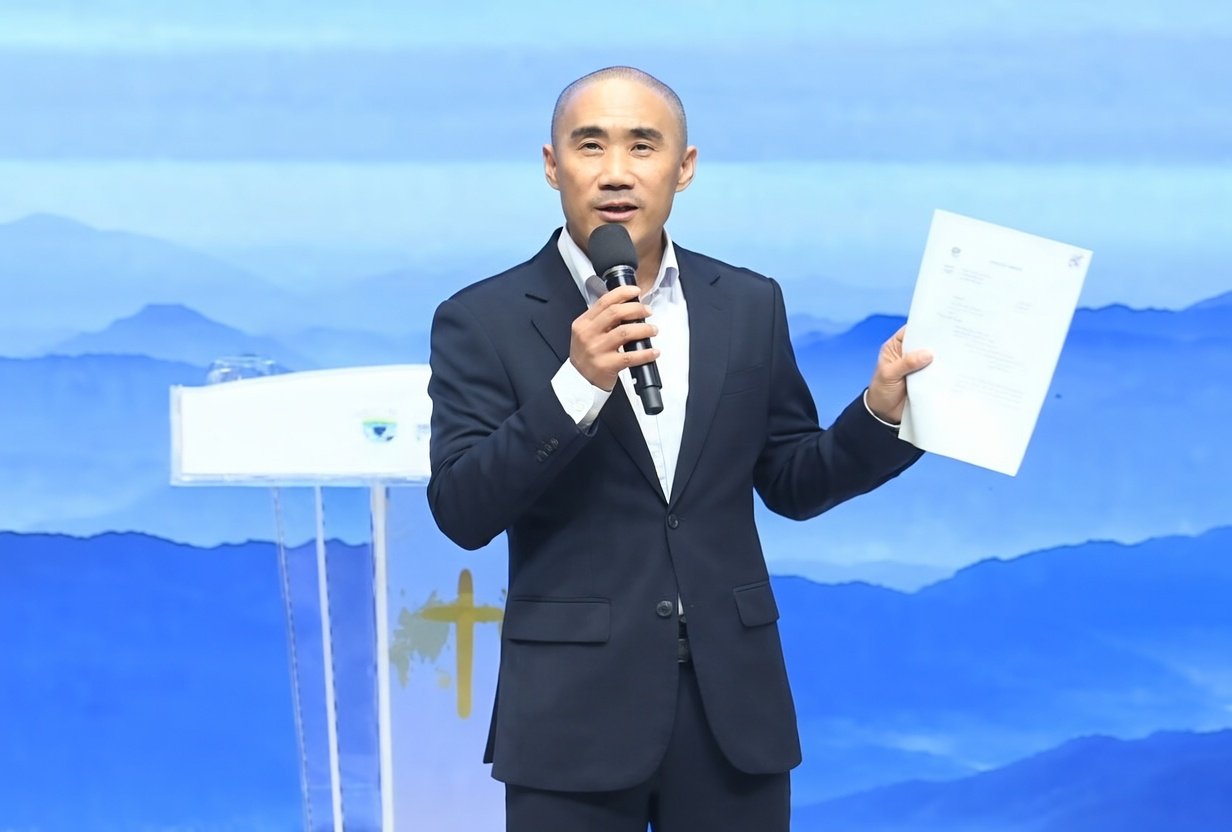
The detention of Pastor Son Hyun-bo of Busan’s Segero Presbyterian Church earlier this year drew widespread attention. He had been arrested on charges of interfering in elections after suggesting to his congregation that certain candidates promoted policies he regarded as harmful to Christian values. His school also faces administrative pressure. Although Pastor Son was eventually released, the scrutiny of Segero Church has not ended. The Korean authorities have now turned their attention to Associate Pastor Kim Bok-yeon, who is being prosecuted under the Public Official Election Act for leading a prayer during a church gathering.
The indictment accuses Pastor Kim of using his position within a religious organization to influence voters, of using a microphone for electioneering, and of allowing certain prayer topics to be shown on a screen during a national prayer meeting held at Segero Church on May 9, 2025. The prosecution claims that the content of the prayer amounted to opposition to a specific presidential candidate and therefore constituted illegal pre-election campaigning. Pastor Kim’s defense argues that he merely led a prayer during a religious service, that he did not organize the event, and that prayer cannot be equated with political campaigning. His lawyers also challenge the constitutionality of the legal provisions used against him.
To better understand the situation, “Bitter Winter” spoke with Pastor Kim, who is currently on trial. He explained that the case began when an official from the National Election Commission reported him for allegedly violating the election law. He believes the prosecution is not an isolated incident but part of a broader effort to restrict Segero Church and the wider conservative Christian community. In his view, the charges reflect an attempt to constrain voices critical of government policies.
Pastor Kim described the events leading to the case. After former President Yoon declared martial law and faced impeachment, an early presidential election was set for June 3, 2025. On the evening of May 9, Segero Church held a national emergency prayer meeting, bringing together members of the Christian conservative community to pray for the country. One of the scheduled speakers could not attend, so Pastor Kim was asked at the last minute to lead the prayer session. As usual, he prepared prayer topics in advance and sent them to the church’s media team via KakaoTalk. During the prayer, the topics were displayed on the screen while he prayed aloud.
Shortly afterward, he was reported for violating the Public Official Election Act. Pastor Kim shared an excerpt of the prayer he offered that evening. It included requests for God to intervene in the election, prevent electoral fraud, encourage unity among conservative candidates, and restore what he described as judicial integrity and fairness in the country. The prayer also included a request for divine intervention in the legal proceedings involving candidate Lee Jae-myung, who eventually won the elections and is the current President of Korea.
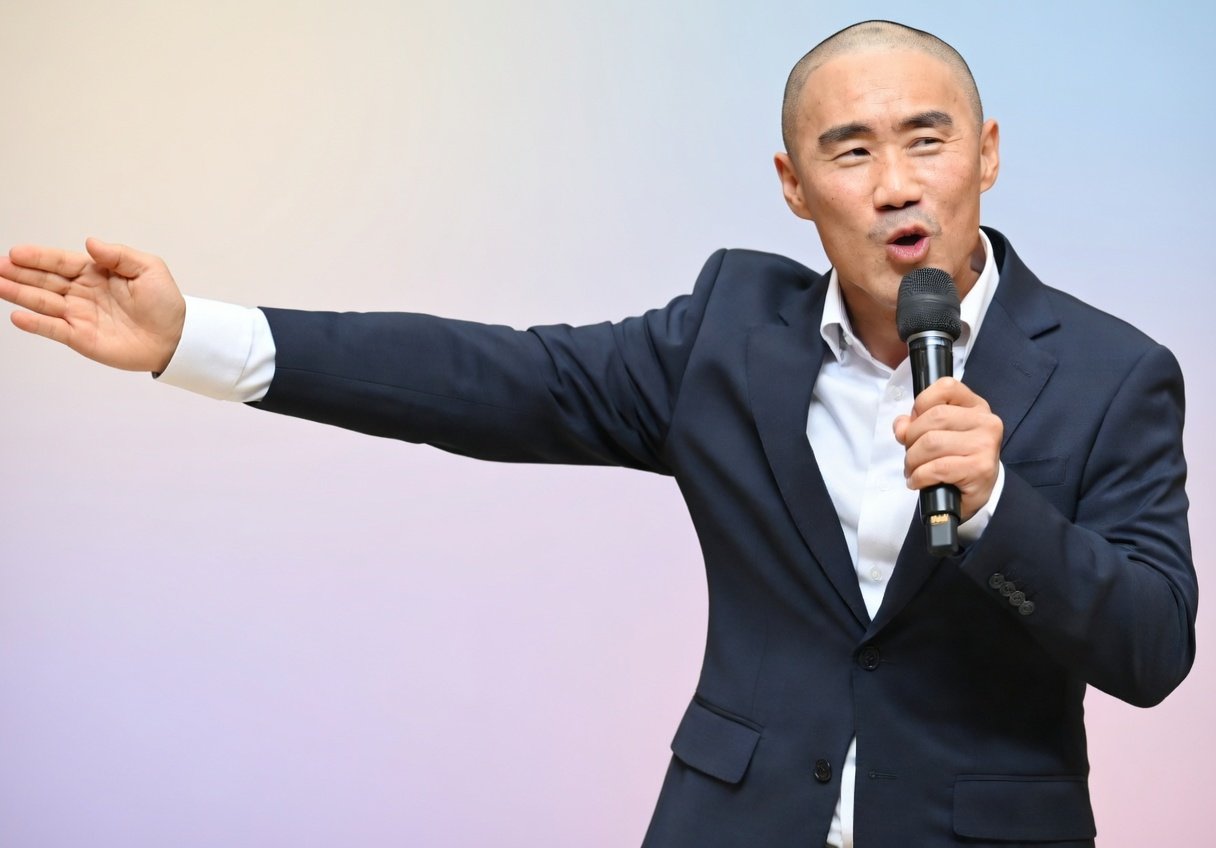
When asked whether he believes the case is part of a campaign of pressure on the Segero Church, Pastor Kim answered without hesitation. He noted that Segero Church and its senior pastor have long spoken out on issues related to freedom of worship and religious liberty, particularly during the COVID-19 period. The church also organized the “1027 United Prayer Meeting” to oppose the proposed anti-discrimination law, which many conservative Christians feared would restrict their ability to uphold biblical teachings on same-sex unions. After the martial law declaration, Segero Church continued to voice concerns about what it saw as threats to liberal democracy and freedom. Pastor Kim believes his prosecution must be understood within this larger context of the church’s activism.
He emphasized that the Korean church and the nation are facing what he considers a serious crisis. Pastor Son was detained for nearly five months, and now he himself is on trial simply for leading a prayer during a church service. For him, this is not a moment to retreat. He sees defending freedom of worship, protecting biblical values from laws he views as harmful, and preserving a free democratic system as responsibilities the church must uphold regardless of the cost.
Pastor Kim expressed gratitude for the support Segero Church has received from abroad, particularly from the United States, and for the prayers and concern of pastors and believers in American conservative churches. He asked for continued prayer as the trial proceeds.
The case of Pastor Kim shows that the pressure on Segero Church did not end with Pastor Son’s release. Instead, the prosecution of another pastor suggests that the authorities’ scrutiny of the church continues, as part of a campaign against religious organizations the Lee administration perceives as hostile to its left-leaning agenda.
Whether the courts will accept the argument that a prayer offered during a worship service constitutes election interference remains to be seen. For now, the case raises significant questions about the boundaries between religious expression and political regulation in South Korea, and about how much religious leaders may speak—or pray—on matters affecting the nation without facing legal consequences.

Massimo Introvigne (born June 14, 1955 in Rome) is an Italian sociologist of religions. He is the founder and managing director of the Center for Studies on New Religions (CESNUR), an international network of scholars who study new religious movements. Introvigne is the author of some 70 books and more than 100 articles in the field of sociology of religion. He was the main author of the Enciclopedia delle religioni in Italia (Encyclopedia of Religions in Italy). He is a member of the editorial board for the Interdisciplinary Journal of Research on Religion and of the executive board of University of Pennsylvania Press’ Nova Religio. From January 5 to December 31, 2011, he has served as the “Representative on combating racism, xenophobia and discrimination, with a special focus on discrimination against Christians and members of other religions” of the Organization for Security and Co-operation in Europe (OSCE). From 2012 to 2015 he served as chairperson of the Observatory of Religious Liberty, instituted by the Italian Ministry of Foreign Affairs in order to monitor problems of religious liberty on a worldwide scale.