A reflection on the lessons of the 1994 genocide and the ongoing human rights violations in the Tai Ji Men case.
by Massimo Introvigne*
*Introduction to the webinar “The Tai Ji Men Case: A Human Rights Crisis in Taiwan,” co-organized by CESNUR and Human Rights Without Frontiers on March 24, 2026, United Nations International Day for the Right to the Truth Concerning Gross Human Rights Violations and for the Dignity of the Victims.
Thank you for joining us on this United Nations International Day for the Right to the Truth Concerning Gross Human Rights Violations and for the Dignity of the Victims. This day is not just a commemoration. It reminds us of our responsibility to confront injustice whenever it arises, to listen to victims’ voices, and to stop early signs of persecution from escalating into something much worse.
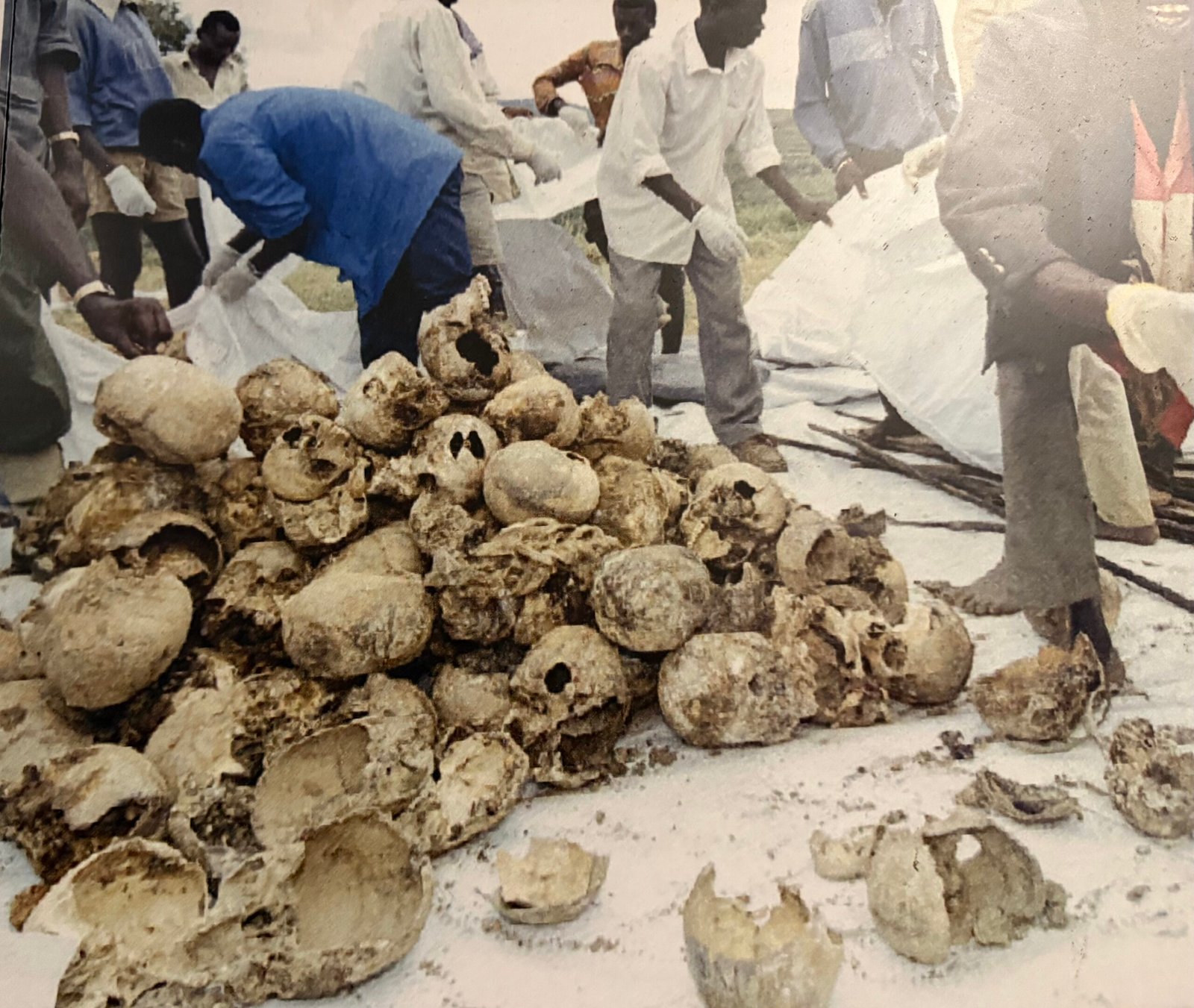
I want to start away from Taiwan, in a place where ignoring those early signs led to catastrophic consequences. In February 2026, I traveled to Rwanda. I went partly to see the region where the last mountain gorillas live, partly to meet religious minorities, but mostly to understand the legacy of the 1994 genocide of the Tutsi. Nothing prepares you for Rwanda. Kigali feels serene, orderly, and almost disarmingly peaceful. Yet beneath that calm lies a memory so vast that it seems to change the very air around you. Some estimates put the number of victims at one million.
At the Kigali Genocide Memorial, where over a quarter of a million victims are buried, silence carries a heavy weight. It is not the silence of peace but of remembrance—dense and almost physical. I visited both the main memorial in Kigali and the regional one in Musanze. In Kigali, a woman who runs a Christian school shared her story in a quiet, steady voice. Her parents had eleven children, but only she and one brother survived. She spoke without bitterness, as if her words had been shaped by years of telling. That experience led her to dedicate her life to helping children, especially orphans. Most of her students today did not lose their parents in 1994, but she sees in every child a life that could have been lost, and in every classroom a small act of defiance against the darkness she endured.
In Musanze, I met the memorial’s caretaker, named Fidèle, whose passion for preserving memory shone through every word. He took us through the old Court of Appeal in Ruhengeri (as Musanze was once called), where, in April 1994, over 800 Tutsi gathered after being promised protection. Instead, they were teargassed, bombed, and massacred. Many were teachers, medical workers, agronomists, civil servants—ordinary people who believed the state would keep them safe. The building still seems to echo with their presence.
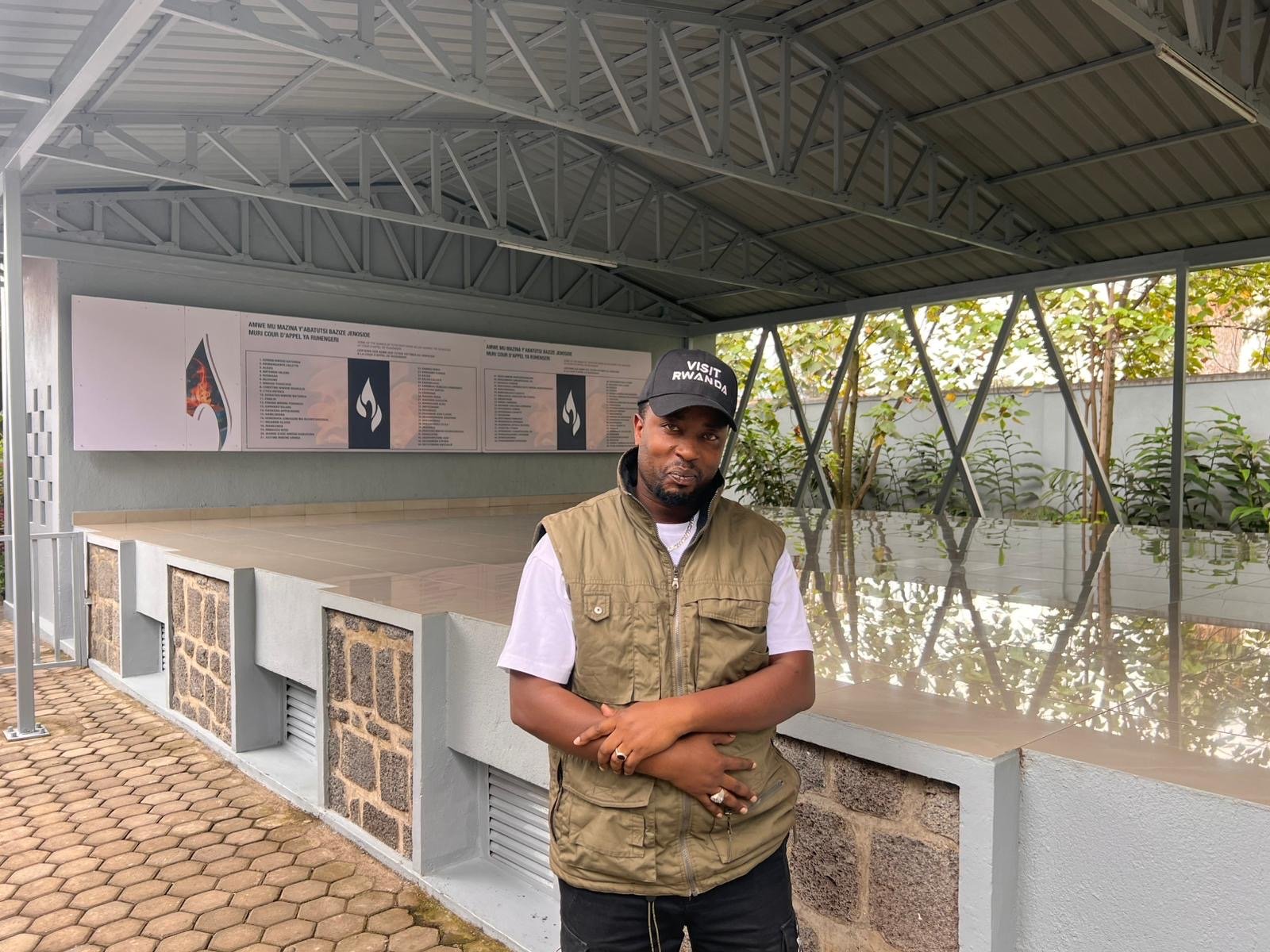
The most powerful testimony came from the man who guided me throughout the week. His parents and many relatives were killed in 1994. He told his story with a calmness that felt almost intentional, as if he had learned to carry it delicately. His family fled to the St. Pierre Catholic Church in Kibuye, believing—as generations had before—that the church walls would protect them. He was five years old. Families barricaded the doors and held out for nearly a week with only stones and wooden spears. Even he, a small child, threw stones. When soldiers arrived with guns, their resistance crumbled. Some priests tried to help, while others opened the doors to the killers.
His family escaped briefly, only to be betrayed again. He and his brother squeezed through a small window and ran. Their mother, unable to fit, was captured, raped, and killed. Their father, knowing he would be tortured, filled his pockets with stones and walked into Lake Kivu. The boys survived because of a woman who risked everything to hide them. Eventually, French soldiers helped them cross into Zaire. After the genocide, they were returned and adopted by a Pentecostal family.
Years later, he visited the children of the man who killed his mother. They run a small tourist boat service on Lake Kivu. He forgave them. He even directs business their way. “We are from the same village,” he said. “If we don’t rebuild a normal life, who will?”
Rwanda forces us to confront uncomfortable truths. It shows us how institutions—churches, courts, political parties—can either resist evil or enable it. It demonstrates how ordinary people can become killers, while others, equally ordinary, can become saviors. It makes us realize that human rights violations do not start with machetes. They start with words, stereotypes, rumors, bureaucratic decisions, and silence.
This brings me to the “Rome Model,” which I proposed in 2011 when I was the Representative of the Organization for Security and Cooperation in Europe (OSCE) for combating racism, xenophobia, and religious discrimination. The Rome Model is straightforward, but its implications are significant. It states that human rights violations follow a predictable pattern—a slippery slope.
They begin with intolerance, a cultural and media issue. A group is mocked, stigmatized, or depicted as dangerous. Then comes discrimination, when governments or courts treat that group differently. Finally, if unchecked, it leads to persecution and violence. It resembles an avalanche. Once it picks up speed, it becomes unstoppable. The only effective strategy is to intervene early before discrimination hardens into policy and persecution becomes accepted.
This is why the Tai Ji Men case matters today.
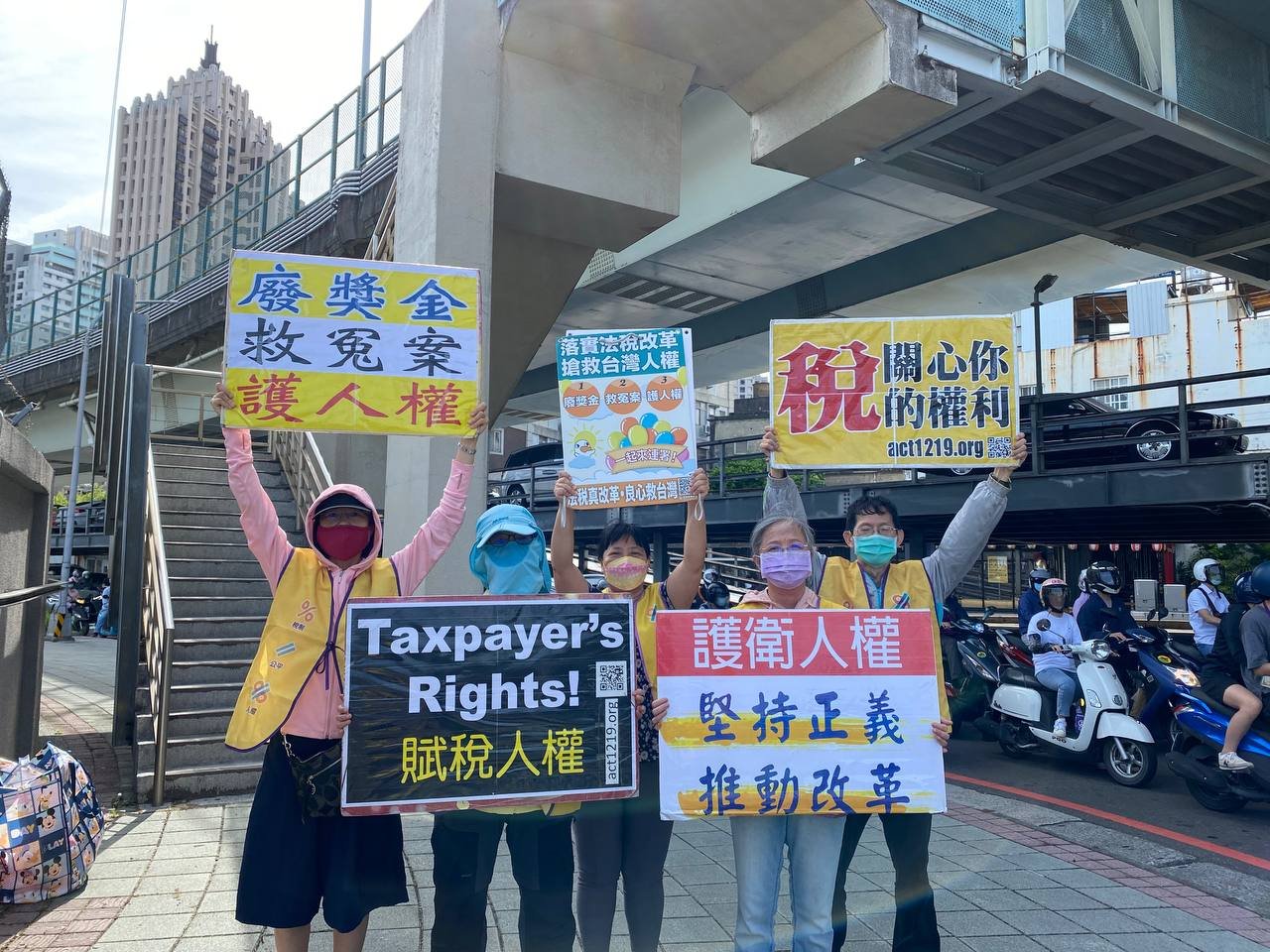
No one died in the Tai Ji Men case. There were no mass killings, no machetes, and no mass graves. Yet the logic of the Rome Model is clearly present. Tai Ji Men’s Shifu and dizi were targeted for ideological reasons. False accusations were created against them. Some were detained and mistreated. Their reputation was attacked, and their property was taken. Courts eventually cleared them of all charges, including tax evasion and even the ridiculous claim of “black magic.” Yet bureaucratic persecution continued, fueled by greed and by the reluctance of some officials to acknowledge their mistakes.
This is how human rights violations start. Not with violence but with lies. Not with bloodshed but with administrative abuse. Not with genocide but with the quiet erosion of dignity.
The United Nations International Day of March 24 reminds us that victims of injustice—whether in Rwanda or Taiwan—deserve truth, dignity, and justice. It reminds us that we must stop the early stages of persecution before it escalates. It reminds us that the dignity of every human being is non-negotiable.
The Tai Ji Men case is not Rwanda. But Rwanda teaches us that no society is immune to injustice. The Rome Model shows us that injustice grows if left unchecked. The lesson of March 24 is that truth is the first step toward restoring dignity.
As we begin this webinar, let us honor the victims of gross human rights violations everywhere. Let us listen to the truth. Let us defend the dignity of those who have suffered. And let us ensure that what happened in Rwanda and what happened to Tai Ji Men never happens again—to anyone, anywhere.

Massimo Introvigne (born June 14, 1955 in Rome) is an Italian sociologist of religions. He is the founder and managing director of the Center for Studies on New Religions (CESNUR), an international network of scholars who study new religious movements. Introvigne is the author of some 70 books and more than 100 articles in the field of sociology of religion. He was the main author of the Enciclopedia delle religioni in Italia (Encyclopedia of Religions in Italy). He is a member of the editorial board for the Interdisciplinary Journal of Research on Religion and of the executive board of University of Pennsylvania Press’ Nova Religio. From January 5 to December 31, 2011, he has served as the “Representative on combating racism, xenophobia and discrimination, with a special focus on discrimination against Christians and members of other religions” of the Organization for Security and Co-operation in Europe (OSCE). From 2012 to 2015 he served as chairperson of the Observatory of Religious Liberty, instituted by the Italian Ministry of Foreign Affairs in order to monitor problems of religious liberty on a worldwide scale.