The Islamabad High Court has condemned religion-based sanitation job ads, but the practice continues despite constitutional protections.
by A. Sahara Alexander
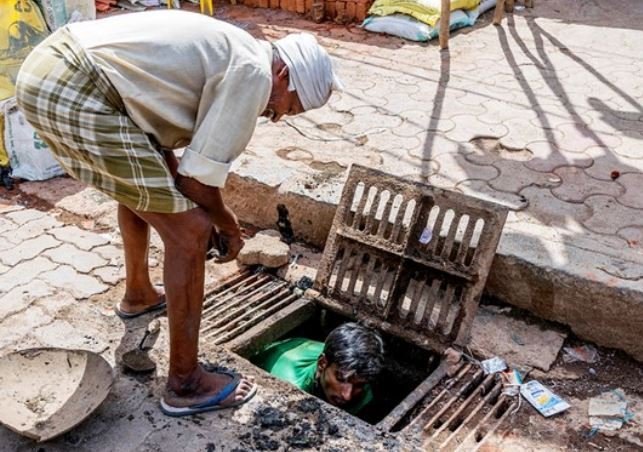
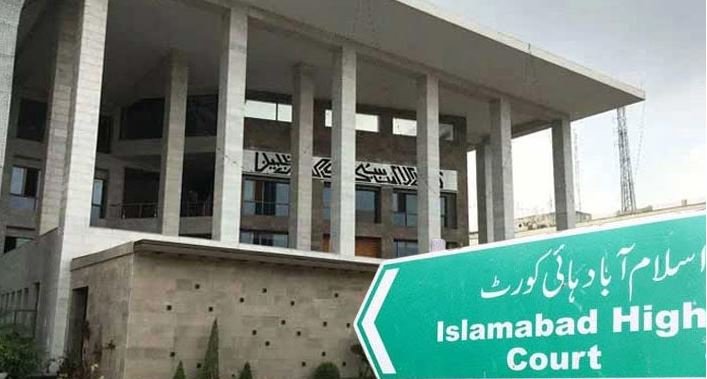
The Islamabad High Court has released the full reasoning behind its 11 November 2025 judgment, which declares that Pakistan’s long-standing practice of advertising sanitation jobs as “for Christians only” is unconstitutional. The detailed explanation confirms what human rights advocates have claimed for years: associating a specific religious identity with sanitation work violates equality, non-discrimination, and the dignity of citizens. The Court found this practice inconsistent with Articles 25, 27, and 36 of the Constitution. It emphasized that assigning a religious community to a stigmatized job undermines human worth. Justice Inaam Ameen Minhas described dignity as the “jewel in the crown of fundamental rights,” highlighting the seriousness of this seemingly trivial issue.
The judgment’s directives are also crucial. Federal and provincial authorities, along with private employers, must completely stop this practice. They must also maintain minority employment quotas in all levels of public service and push for legislative reforms to improve protections. If these steps are taken, they could start to dismantle a discriminatory system that has affected non-Muslim citizens for generations.
However, the publication of the judgment’s full reasoning reveals a significant problem. Despite the ruling, discriminatory advertisements still appear, both openly and in coded language. Many people affected do not challenge these ads because they fear retaliation, lack access to legal help, or believe that fighting such discrimination is futile. The Court’s decision may empower some to seek justice, but it cannot retroactively protect those who lacked the means or confidence to sue before.
This ongoing issue reflects a deeper social reality. For decades, non-Sunni Muslim communities—including Christians, Hindus, Sikhs, and Ahmadis—have been treated as second-class citizens in various subtle and overt ways. Their overrepresentation in sanitation work and underrepresentation in other professions is not a coincidence; it results from deep-rooted social hierarchies supported by government actions. When public institutions normalize the link between minority identity and “low-status” jobs, they reinforce existing prejudices and discrimination seems normal.
The newly published judgment makes it clear that the issue goes beyond just recruitment ads. It involves the assumptions that allow these ads to be created, approved, and published without complaint. The Court has questioned the belief that certain citizens are naturally suited to specific types of work based on their faith. However, mindsets do not change quickly, and legal decisions alone cannot dismantle social hierarchies that have been upheld for decades. The ongoing appearance of discriminatory ads, even after the Court’s intervention, indicates that the problem is structural. It is woven into bureaucratic practices, social expectations, and the accepted presence of inequality.
Thus, the judgment represents both a major achievement and a reminder of the work that still needs to be done. It strengthens the legal basis for equality and offers a clear reform plan. Yet, it also reveals the gap between constitutional ideals and everyday reality. Until discriminatory recruitment becomes not just illegal but unthinkable, Pakistan will not fulfill its founding promise of equal citizenship. The current challenge is to ensure that the Court’s directives lead to real change, rather than remaining merely aspirational.

Uses a pseudonym for security reasons.