“Bitter Winter” documented the saga of Ashram Shambala and why accusations against its founder are not persuasive. Argentina should release him from jail.
by Bitter Winter
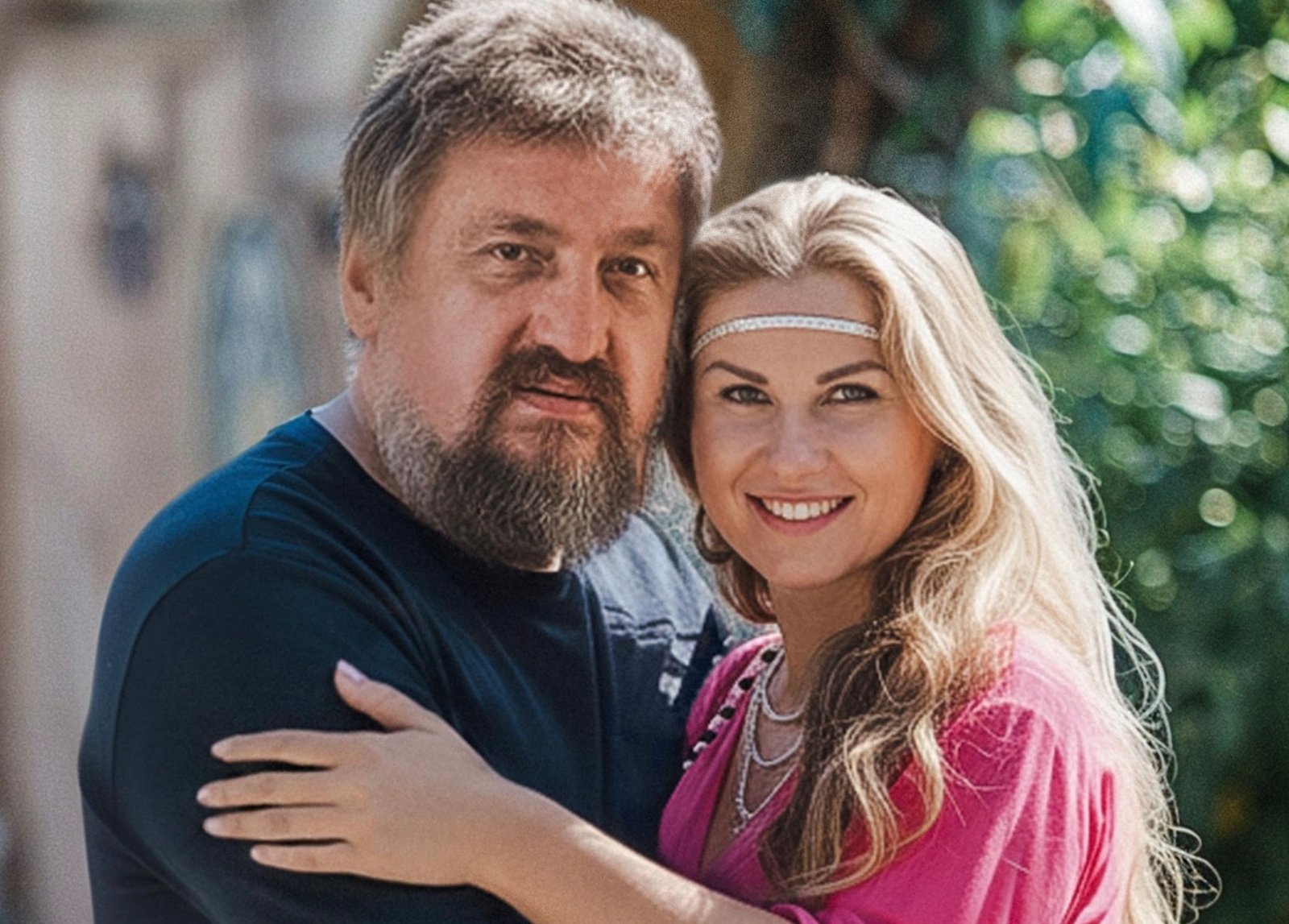
We, the undersigned, represent NGOs and academic organizations specialized in issues of freedom of religion or belief. We write to express our deep concern regarding the ongoing detention of Konstantin Rudnev, a Russian spiritual teacher whose followers were often described as belonging to “Ashram Shambhala” (although no organization was ever incorporated under this name), currently held in Rawson, Argentina, under conditions that endanger his life and without any clearly articulated criminal charge.
Rudnev was previously targeted in Russia in a context well‑documented by international human rights bodies, including the United States Commission on International Religious Freedom (USCIRF). In Russia, independent spiritual movements have long been stigmatized as “cults,” often through campaigns led by state‑aligned actors such as Orthodox anti‑cult activist Alexander Dvorkin. Rudnev’s criticism of the Putin regime further contributed to his persecution. Although he was convicted in Russia on charges widely regarded by scholars as fabricated, he fully served his sentence and was released in 2021.
After relocating to Montenegro and later to Argentina, Rudnev lived quietly, teaching no one and forming no group. His arrest in Argentina did not arise from any action of his but from a chain of misunderstandings involving a young Russian woman who had fled an abusive relationship and gave birth in Bariloche. Language barriers, misinterpretations by hospital staff, and conjectures treated as facts triggered a police intervention. Although the woman herself repeatedly stated she had never met Rudnev and did not consider herself a victim, authorities constructed a narrative of a supposed trafficking network linked to him.
A first judge dismissed the case for lack of evidence. Instead of narrowing the inquiry, authorities expanded it, detaining numerous unrelated Russian tourists and reproducing disinformation originating from Russia and Montenegro. None of the detained women had any connection to Rudnev or his teachings.
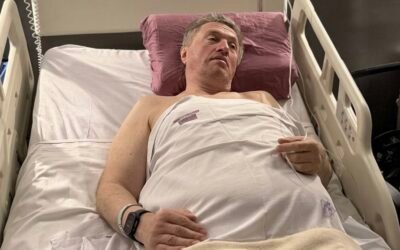
Rudnev alone remains imprisoned. He was arrested without a warrant, without charges being read, and without access to an interpreter. His health has deteriorated severely: he has lost around 30 kilograms, has been subjected to inappropriate medical treatment, and has been held in degrading conditions. To date, neither he nor his wife has been clearly informed of the specific facts underlying the accusations. Prosecutors have acknowledged they possess no concrete evidence but have requested a full year of pretrial detention while they translate seized devices—many of which do not belong to him.
In effect, Rudnev is being held not for anything he did in Argentina but because of an imported mythology: a narrative created in Russia, replicated in Montenegro, and uncritically absorbed into Argentine prosecutorial assumptions. The supposed victim denies knowing him. No accomplices exist. No organized group exists. The allegations have collapsed, yet the detention continues.
We respectfully urge the Argentine authorities to release Konstantin Rudnev immediately.
His continued imprisonment violates fundamental principles of due process, the presumption of innocence, and the right to freedom of religion or belief. It also raises urgent humanitarian concerns, as his health is in grave danger.
We call on Argentina to uphold its international human rights obligations and allow Konstantin Rudnev to regain his freedom before the harm becomes irreversible.
Signatures (as legal representatives of their organizations):
Alessandro Amicarelli, President, FOB – European Federation for Freedom of Belief
Luigi Berzano, President, Observatory of Religious Pluralism
Francesco Curto, Co-founder, Fedinsieme [Faiths Together]
Raffaella Di Marzio, Managing Director, LIREC – Center for Studies on Freedom of Religion, Belief, and Conscience
Willy Fautré, Co-founder and Director, HRWF – Human Rights Without Frontiers
Massimo Introvigne, Co-founder and Managing Director, CESNUR – Center for Studies on New Religions
Camelia Marin, Deputy Director, Soteria International
Hans Noot, Director, Gerard Noodt Foundation for Freedom of Religion or Belief
Marco Respinti, Director-in-charge, “Bitter Winter,” a daily magazine on freedom of religion and human rights
Rosita Šorytė, President, ORLIR – International Observatory of Religious Liberty of Refugees
Thierry Valle, President, CAP-LC – Coordination des Associations et des Particuliers pour la Liberté de Conscience
René Wadlow, President, Association of World Citizens
Peter Zoehrer, Executive Director, Forum for Religious Freedom Europe (FOREF)