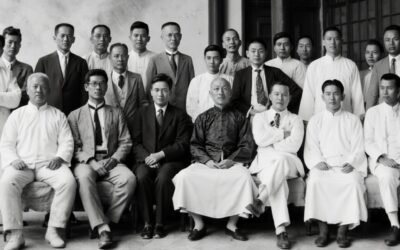
Scholars from various countries examined a human rights struggle that is soon to enter its 30th year.
by Davide S. Amore

On November 19, 2025, the CESNUR 2025 International Conference in Cape Town, South Africa, hosted a session on “Freedom of Religion Issues in Taiwan and the Tai Ji Men Case,” bringing together scholars, legal experts, and human rights advocates to examine one of Taiwan’s most enduring human rights struggles: the Tai Ji Men case. The session highlighted the intersection of spiritual freedom, legal abuse, and bureaucratic persecution, with each speaker offering unique insights into the Tai Ji Men case and its broader implications.
Massimo Introvigne, an Italian sociologist and co-founder of CESNUR, the Center for the Study of New Religions, opened the session by drawing a compelling historical parallel between the Tai Ji Men case and the persecution of the New Testament Church during Taiwan’s Martial Law era. He argued that while the tools of repression have changed—from physical violence to bureaucratic harassment—the underlying logic remains. Spiritual movements that do not align with state interests are targeted. Introvigne emphasized that the Tai Ji Men case, which began in 1996 and continues to this day, reflects a persistent belief that conscience must be managed and autonomy suppressed. He concluded that both the Mount Zion community of the New Testament Church and Tai Ji Men exemplify resilience in the face of state pressure, and that the erosion of legal protections for spiritual groups threatens the very fabric of civil society.
Shelly Tu, a Certified Public Accountant and Tai Ji Men dizi, shared her personal journey of practicing qigong since childhood and the profound health and spiritual benefits it has brought her. She explained that the Ceremony of Respecting the Master and offering gifts to him, rooted in ancient Chinese tradition, was mischaracterized by Taiwan’s tax authorities as a commercial transaction, resulting in unjust tax bills and administrative penalties. Tu criticized the National Taxation Bureau’s failure to investigate the nature of these gifts and its refusal to revoke the fabricated tax decisions even after courts and authorities had confirmed their non-commercial nature. She warned that such misuse of taxation violates international human rights standards and risks turning democratic systems into authoritarian ones. True democracy, she argued, must respect rather than persecute spiritual practice.

Rachel Chiang, Chief Attorney at Taiwan’s Libertas Law Office, recounted her own healing journey through Tai Ji Men Qigong practice after battling thyroid cancer. She described how the movement’s rapid growth and independence drew the government’s suspicion, leading to Tai Ji Men’s inclusion in a politically motivated crackdown in 1996. Chiang detailed how prosecutors fabricated charges and misrepresented spiritual offerings as taxable income, leading to years of legal and reputational damage. Despite a Supreme Court ruling in 2007 that cleared Tai Ji Men of all charges, the persecution continued through unresolved tax bills and land nationalization. She emphasized that the case violates both Taiwan’s Constitution and international human rights conventions and called for global solidarity in defending freedom of belief and legal reform.
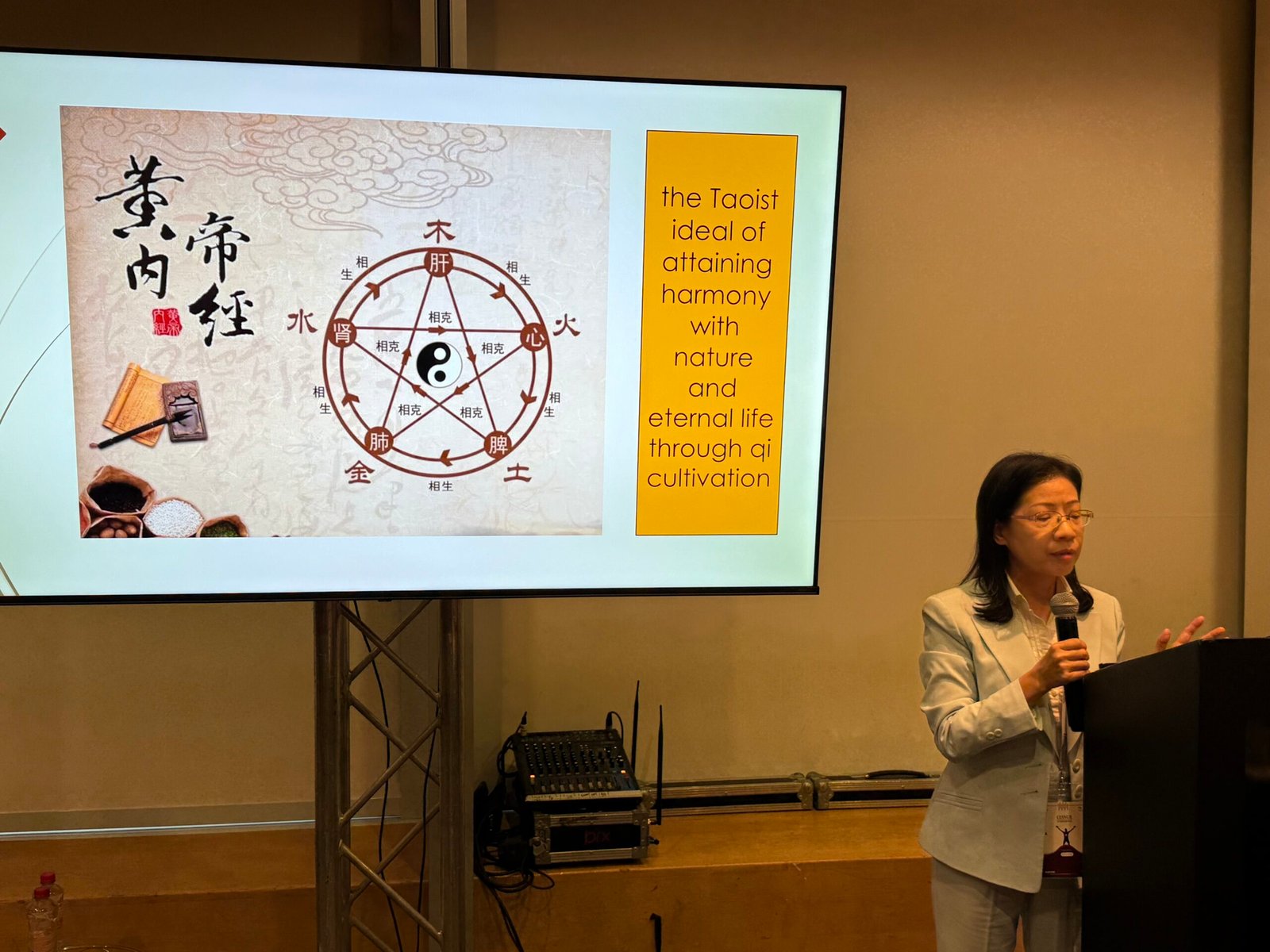
Joyce Lin, an educator and writer, highlighted the transformative power of Tai Ji Men’s teachings in her personal and professional life. She described how the movement’s emphasis on conscience, love, and peace has inspired global outreach, including participation in international summits and the establishment of the International Day of Conscience. Lin argued that the Tai Ji Men case reveals the fragility of democracy when judicial rulings are ignored and administrative impunity prevails. She emphasized that culture and education are crucial tools for addressing injustice and fostering conscience, and that a mature democracy must be willing to acknowledge its mistakes and restore dignity to the citizens it has wronged.
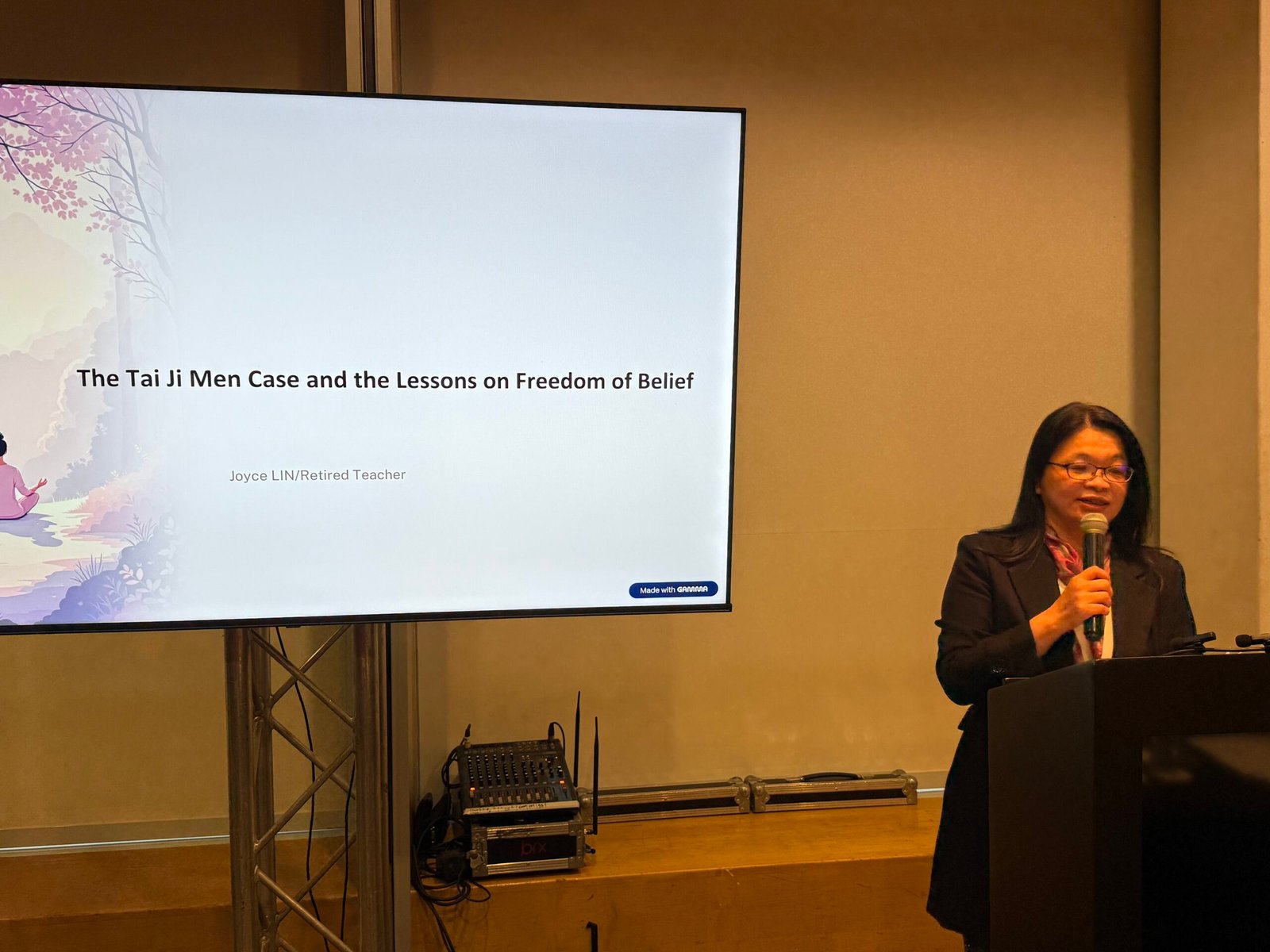
Maryann Chuang, a Certified Public Accountant and senior manager at an international financial institution, examined the Tai Ji Men case through the lens of international human rights law. She explained the sacred nature of the Shifu–dizi relationship and the spiritual significance of the Bai Shi ceremony, which tax authorities distorted into a taxable transaction. Chuang argued that this mischaracterization violates both Taiwan’s Civil Code and the International Covenant on Civil and Political Rights, which Taiwan has incorporated into domestic law. She called on the government to revoke the unlawful tax bills, return the nationalized land, and fulfill its legal obligations to protect freedom of religion and belief. The case, she said, is a textbook example of how taxation can be used as a weapon against spiritual communities.
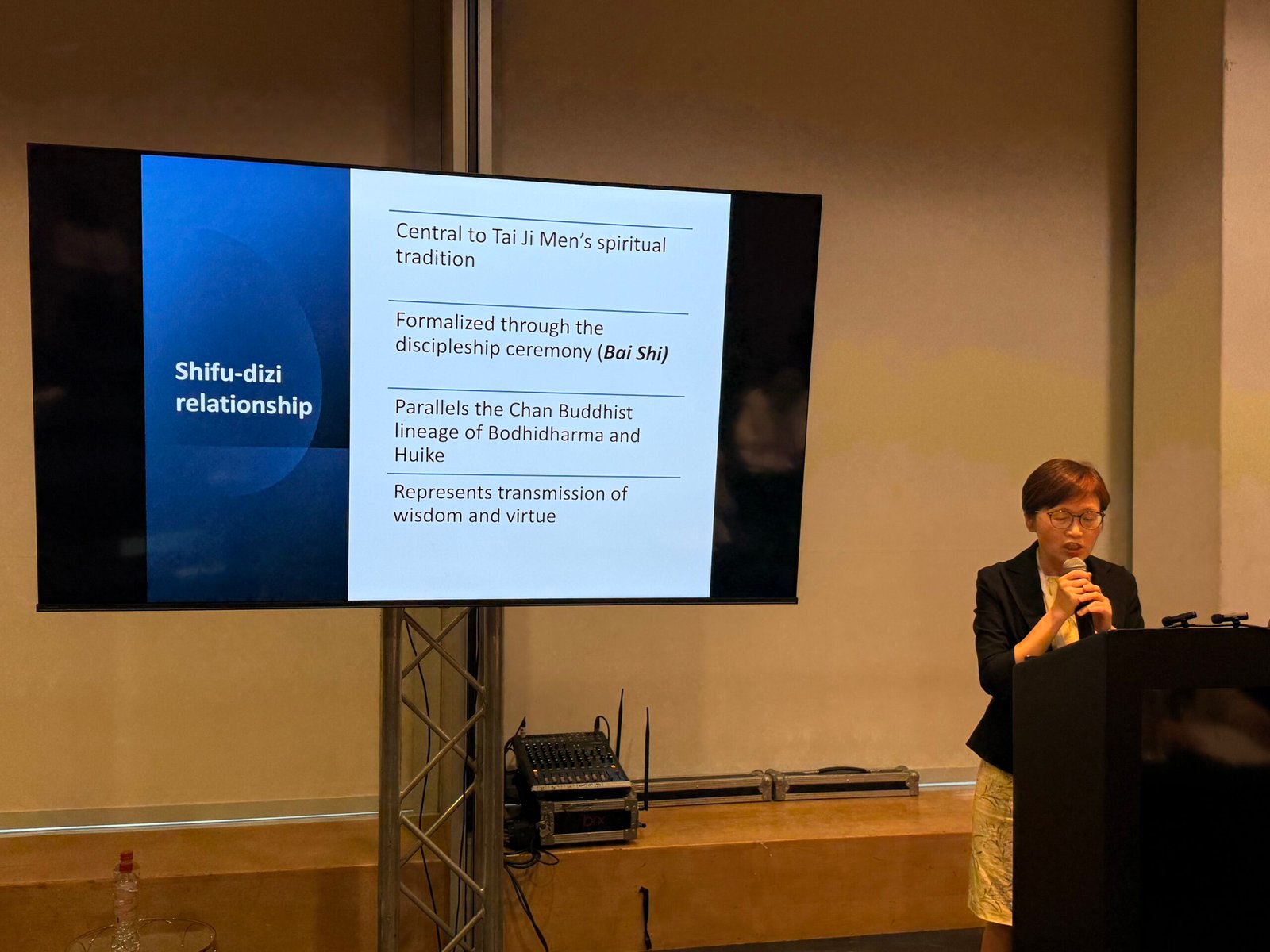
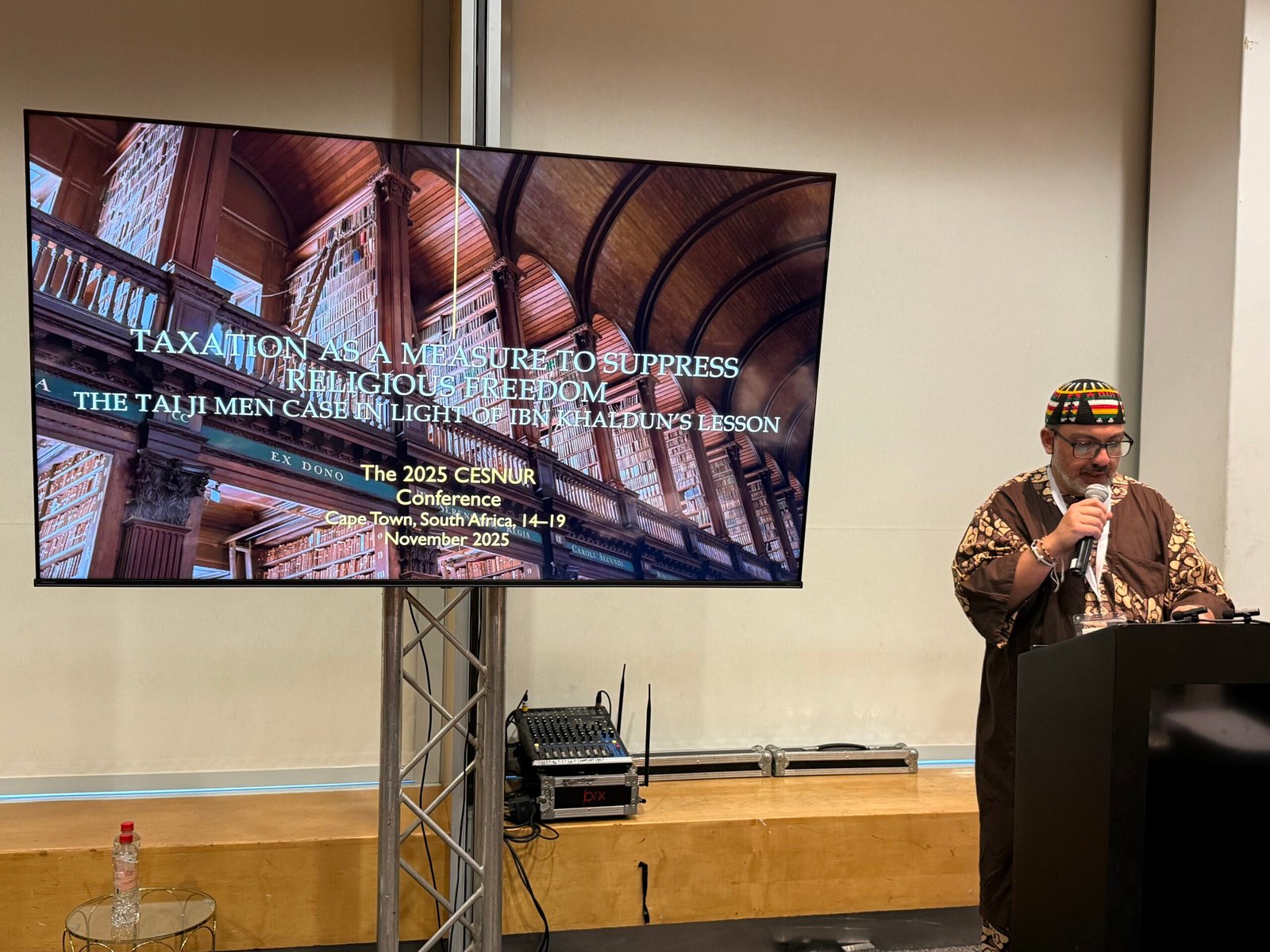
I then presented my own paper. I placed the Tai Ji Men case in dialogue with the teachings of the 14th-century Islamic scholar Ibn Khaldun. The revered Islamic master argued that fiscal justice is not only an economic issue but a moral one, and that excessive or discriminatory taxation signals the decline of civilization. The unjust treatment of Tai Ji Men parallels Ibn Khaldun’s warnings about the erosion of trust and social cohesion when rulers exploit taxation for control. The case exemplifies how modern bureaucracies can quietly repress spiritual freedom under the guise of legality, and that restoring fiscal justice is essential for preserving conscience and dignity.
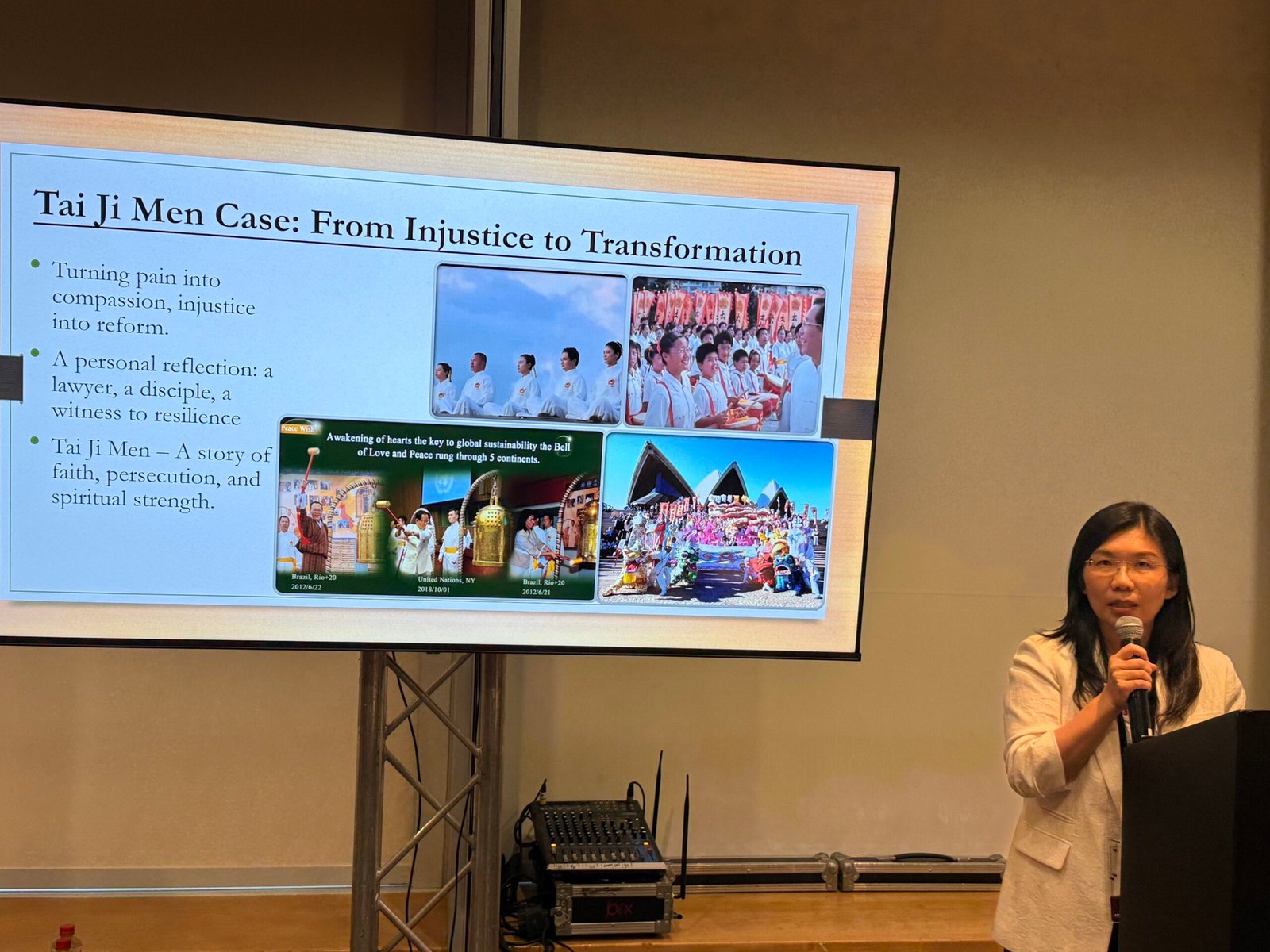
Charlotte Lee, a Taiwanese lawyer and Tai Ji Men dizi, explored the concept of state violence through the lens of failed redress mechanisms. She detailed the legal and tax persecution faced by Tai Ji Men since 1996, including fabricated charges, unlawful land nationalization, and the government’s refusal to correct acknowledged errors. Lee cited international human rights cases to prove the state’s obligation to provide effective remedies and criticized Taiwan’s failure to uphold these standards. She also celebrated Tai Ji Men’s resilience, describing how its Shifu and dizi (disciples) have transformed suffering into compassionate action, advocating for legal reform and human rights through peaceful means. Their journey, she said, is a testament to the power of faith in confronting injustice.
A paper by Alessandro Amicarelli, a London-based human rights attorney and president of the European Federation for Freedom of Belief, read by the Hungarian scholar Márk Nemes, emphasized the global significance of the Tai Ji Men case. He recounted how scholars and activists have denounced the persecution for over five years, including at the United Nations. He highlighted the manipulation of legal systems to target minority spiritual groups. Amicarelli praised Taiwan’s democratic aspirations but warned that administrative impunity undermines its credibility. He supported the proposal to designate December 19 as the “International Day Against Judicial and Tax Persecution by State Power,” and called for continued international solidarity. Justice, he concluded, is not achieved through isolated legal victories but through the complete restoration of rights and dignity.

Eileen Barker, a world-renowned sociologist of religion from the London School of Economics, closed the session by responding to the papers delivered. She called for a solution of what she called a “ridiculous situation” where the innocent are denied proper legal remedies. Nothing stands in the way of correcting the injustice, she said, except the stubbornness of rogue tax bureaucrats. She also praised the indomitable work for peace of Tai Ji Men’s Shifu (Grand Master), Dr. Hong, reminded the audience that he was currently traveled to India but kindly sent a message to the conference. “I hope you win as you deserve to win,” she concluded.