For those who follow them, the benefits of Tai Ji Men teachings are clear. However, state bureaucrats misunderstood and persecuted the group for decades.
by Shelly Tu*
*A paper presented at the session “Freedom of Religion Issues in Taiwan and the Tai Ji Men Case” of the CESNUR 2025 international conference, Cape Town, South Africa, November 19, 2025.

I am a Tai Ji Men dizi and a Certified Public Accountant in Taiwan. My parents brought me to Tai Ji Men, and I became a dizi when I was ten years old. I have followed Dr. Hong’s teachings on Qigong for thirty years, and I have been practicing it ever since. Today, I would like to share my experience practicing Tai Ji Men Qigong and my observations on how Tai Ji Men culture has positively influenced modern life, as well as the human rights persecution and long-standing tax harassment faced by Tai Ji Men.
Culture, in essence, represents the totality of human life. The Roman philosopher Cicero first used the Latin term “cultura animi,” meaning “the cultivation of the soul.” In Eastern culture, spiritual cultivation often does not take the form of traditional religion or belief systems. Qi is the vital energy of life, and it exists in all living beings and in nature itself. Qigong is one such practice that begins with the body. Through the integration of breath, movement, and focus, it harmonizes body and mind while cultivating concentration, calmness, and inner awareness. From a medical perspective, qigong promotes microvascular dilation, improves blood circulation and oxygen exchange, allowing cells to receive sufficient energy and nutrients. The qigong breathing techniques I practice at Tai Ji Men involve three to five times the volume of normal breathing, extending the oxygenation process, increasing oxygen concentration in body tissues, and enhancing metabolism. Many chronic illnesses are linked to poor circulation or chronic oxygen deficiency, and qigong, through deep breathing and relaxation practices, helps strengthen the immune system and reduce the risk of chronic disease.
From the perspective of traditional Chinese medicine, “Where there is pain, there is no flow; where there is flow, there is no pain.” The essence of qigong lies in balancing yin and yang, promoting the smooth flow of qi and blood, and facilitating the smooth circulation of energy throughout the body. Traditional Chinese medicine emphasizes that “the human being is an integrated whole”; when one part falls out of balance, it affects the entire system. Through cultivating qi, regulating the breath, and calming the mind, our life energy can be redistributed to restore harmony and stability to both body and mind. Therefore, qigong has been proven to be an effective practice for health maintenance and preventive medicine.
Qigong is not merely a form of physical exercise, but also a path toward spiritual cultivation. When the body’s energy is abundant and the flow of qi and blood is smooth, one naturally enters a state of focus and tranquility, opening the door to inner practice. Health forms the foundation of spiritual growth; only when energy is sufficient and breath is calm can wisdom and insight arise naturally. From this perspective, spiritual cultivation is a higher form of energetic activity, one that requires a stable body as its base. Through the practice of qigong, we not only nurture serenity and compassion but also develop wisdom and resilience to face external challenges, ultimately attaining the inner freedom and spiritual elevation that true cultivation seeks.
I began practicing qigong at Tai Ji Men when I was ten years old. During my formative years, practicing qigong benefited me primarily on a mental and spiritual level, helping me develop concentration, confidence, and courage, which in turn contributed to smoother progress in both my academic studies and career.
However, it is inevitable to encounter challenges in practice and cultivation, which can be seen as tests for growth. After contracting COVID-19, I began to notice subtle changes in my body. Although they didn’t affect my daily life, I became more sensitive to them. Earlier this year, after catching a cold, I developed allergic symptoms in my airways—every breath triggered coughing, which even disrupted my sleep and daily activities. The constant fatigue made me unwilling to move or practice qigong. I hoped to rely on medication to manage it. Still, while the drugs provided temporary relief, they also caused side effects such as heart palpitations, hand tremors, and reduced concentration, leaving my body increasingly weak. Realizing this wasn’t a sustainable solution, I decided to resume my daily qigong practice to “replenish my energy.”
This time, my practice felt different from what it had been in the past. I was no longer just repeating the movements. I was focused on how to make my practice truly effective. When my mind became calm and relaxed, I started to sense more profound changes within my body. After a week, my cough improved, my energy returned, and I was able to concentrate again. But the most unexpected discovery was realizing that calmness itself is an excellent source of power. One morning while driving to work, the car in front of me moved too slowly, causing me to miss the green light. And yet, I didn’t feel irritated as I usually did. At that moment, I realized that when emotions remain still, our energy is preserved rather than drained by the outside world. It turns out that the reason we often feel exhausted even before the day begins is that the constant mental reactions to external things consume our energy.
Tai Ji Men Qigong is simple and easy to learn, suitable for all ages. It can be practiced while walking, standing, sitting, or lying down, without time or spatial limitations. At any time and in any place, one can adjust the flow of energy through mindful breathing, observing one’s thoughts between each inhale and exhale. Through daily practice, I’ve come to realize that qigong is not an escape from reality, but rather a source of strength that helps us face life more fully. Practicing qigong doesn’t guarantee a life free from physical or mental challenges, but it helps me become more aware of my inner state amid stress and difficulties and adapt quickly. That sense of stability “from within” has taught me that actual cultivation is not about pursuing mystical states, but about maintaining calm and balance in everyday life. And this is cultivation in everyday living.
In Taiwan, there are many ways to practice qigong. Some people practice it in parks, and various schools and organizations offer different methods. People often ask why we decided to practice qigong at Tai Ji Men. The reason is actually quite simple—the quality of qi affects the energy field. Since the goal of qigong is to cultivate good qi, the environment becomes very important. My daughter is seven years old, and she also practices qigong at Tai Ji Men. At Tai Ji Men, there is a wise Shifu (Grand Master) who guides one’s life path, and dizi (disciples) who encourage and remind each other, forming a positive and supportive community that helps one maintain consistent and lasting cultivation. Those who come to practice at Tai Ji Men share a common aspiration: they are willing to improve themselves through self-reflection and inner transformation. Because of this, they choose to follow traditional rituals and become Tai Ji Men dizi.
The Ceremony of Respecting the Master is one part of this ancient tradition. According to the Book of Rites (Li Ji), in ancient times, students would kneel and bow before the spirit tablet of Confucius and their teacher, presenting offerings known as the “Six Ritual Gifts,” such as celery and longan, which symbolized humility and respect. Historical records in the Kaiyuan Rites and the Tongdian show that during the reign of Emperor Xuanzong of the Tang Dynasty, this ritual between Shifu and dizi was formalized and incorporated into the state’s ceremonial system.
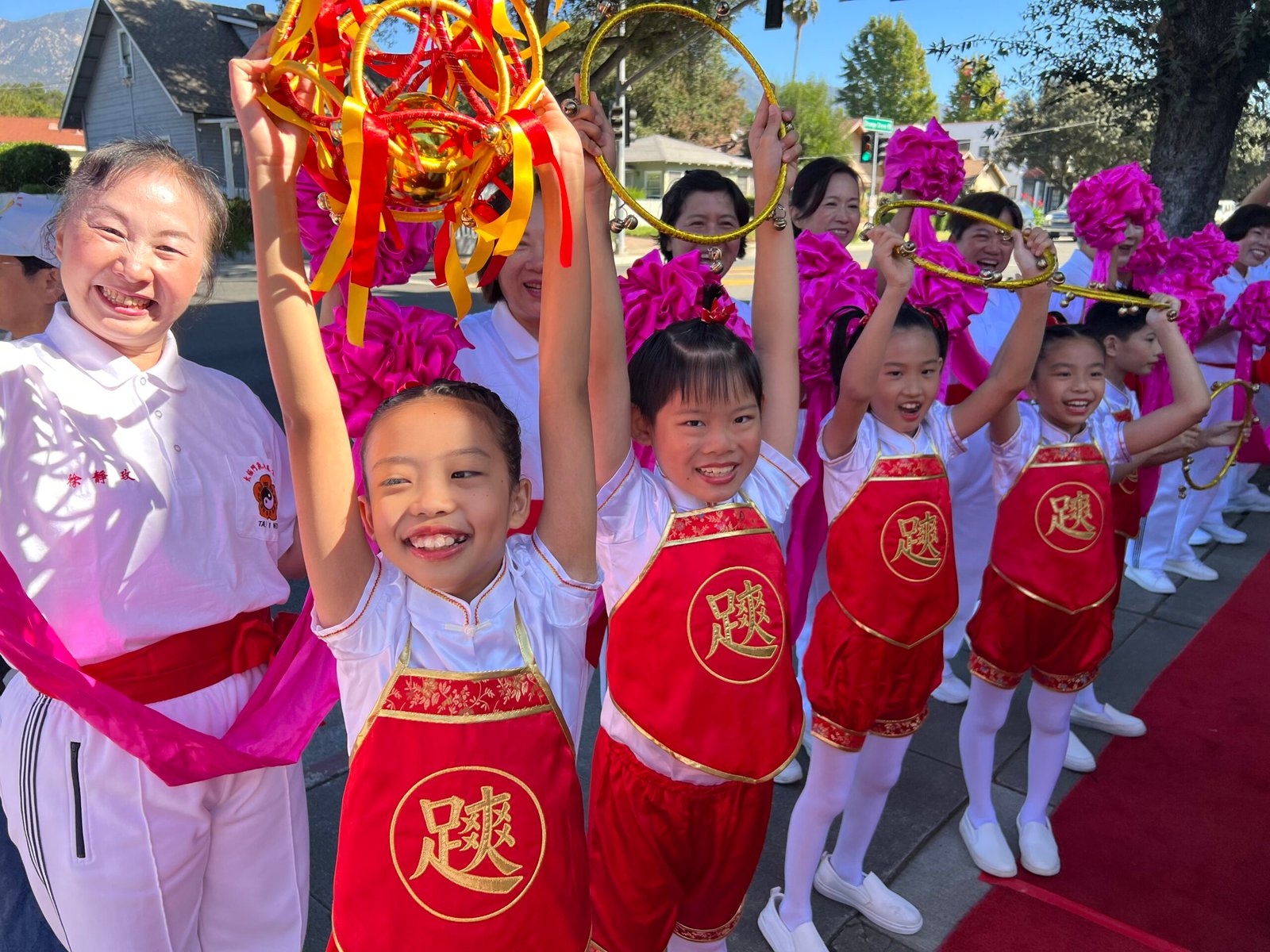
The offering of such a gift from a dizi to shifu originates from dizi’s appreciation of Shifu’s philosophy, the willingness to follow Shifu in cultivating energy and refining the mind, and the gratitude for Shifu’s guidance and instruction. It represents a spontaneous and heartfelt expression of individual will. Its essence does not lie in exchange or transactional value, but rather in the human sentiment and ethical relationships embedded in tradition. This custom has a long history and is deeply rooted in Chinese cultural practice. It remains common not only in Taiwan but also among Chinese communities worldwide, serving as an enduring part of cultural continuity.
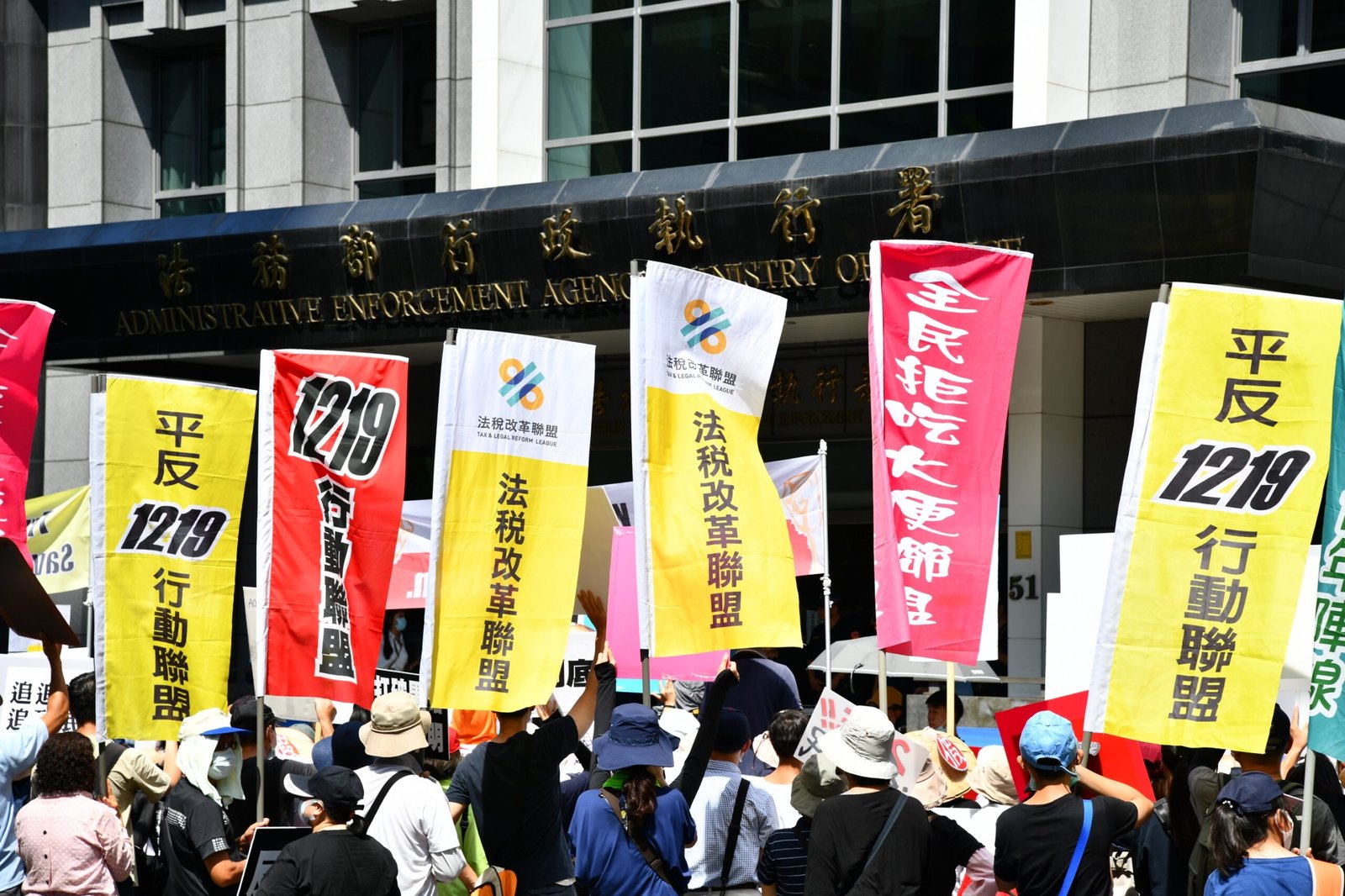
However, the gifts presented by dizi in the culture of respecting Shifu have been distorted by the national tax system as tuition fees for a cram school, and further stigmatized as payments for services, thereby subjecting them to taxation and administrative penalties. This reflects how, when a cultural act deviates from the state’s predefined assumptions or established frameworks, the state tends to subsume it into the simplest economic model for processing. Such a reductionist approach of treating the act of offering the Ceremony of Respecting the Shifu as a paid transaction overlooks the fact that these offerings are not based on exchange or consideration, but arise from the dizi’s inner gratitude and voluntary devotion, without any expectation of obligation or return.
In the handling of the Tai Ji Men case, what we have witnessed is not only the flaws in the institutional design itself, but also the negligence of government officials in fulfilling their duties and their profound lack of understanding regarding beliefs and culture.
According to Taiwan’s tax laws, when the tax authorities have doubts about the nature of income, they are legally required to take the initiative to investigate—a principle that also exists in countries such as the United States, Germany, France, and Japan. Regrettably, however, since the case began in 1996, the National Taxation Bureau did not conduct its first official investigation into the nature of the gift presented by the dizi until 2011, a delay of 15 years. Even after official investigations confirmed that the gift presented by dizi was a voluntary and non-commercial act of respect, the government still refused to revoke the unjust tax decisions. Despite acknowledging that Tai Ji Men is not a cram school, the authorities continued to issue tax bills under that false classification. They even confiscated Tai Ji Men’s sacred land of cultivation. Such conduct not only violates the principle of due process of law but also exposes the administrative agency’s fundamental lack of understanding and respect for cultural practices.
From the perspective of international human rights law, Article 18 of the ICCPR explicitly protects the freedom of thought, conscience, and religion, encompassing both the internal freedom to hold beliefs and the external freedom to manifest those beliefs. Article 15 of the ICESCR guarantees everyone the right to participate in cultural life. In the Tai Ji Men case, dizi’s voluntary giving of gifts to shifu and participation in qigong cultivation should fall within the scope of religious and cultural practice. However, state authorities have misrepresented these acts as economic activities and have long imposed punitive tax measures in the name of taxation, effectively infringing on freedom of religion and cultural rights.
This serves as a warning sign for democratic societies worldwide.
It may be expected that totalitarian regimes would use state power to interfere with religious activities or cultural practices; however, when the same thing happens under a democratic system, we must be even more vigilant, for it means that democracy itself may regress into authoritarianism in another form. Such abuse of administrative power, using criminal prosecution and taxation to distort freedom of religion, belief, thought, and culture, is not unique to Taiwan, but rather a potential risk common to many democracies when confronting spiritual practices, folk beliefs, and emerging religions.
Therefore, we need to reconsider: how are beliefs and spiritual practice regarded within the framework of a modern nation-state? When a government reduces faith or spiritual practice to something that can be taxed, managed, or controlled at will, then freedom of religion and belief exists only in form, not in substance. In doing so, the state denies individuals the right to seek spiritual freedom and a spiritual home.
True freedom allows every person to cultivate their heart and spirit in their own way, to grow physically, mentally, and spiritually without fear of being misunderstood, stigmatized, or punished. True democracy is not only about the right to vote; it must also protect the inner freedom of belief and the right to spiritual practice. This is the most fundamental form of equality. For if a society cannot respect the spiritual pursuits of its people, it cannot truly respect human dignity.

Shelly Tu is a certified public accountant in Taiwan and a Tai Ji Men dizi (disciple).