Scholars noted how female members in Taiwan were insulted and harassed under the pretext of protecting them.
by Yowting Shueng*
*A paper presented at the conference “Nation Building and Cultural Diversity in East Asia: Challenges, Narratives, Perspectives,” October 18–19, 2024, Vytautas Magnus University (Kaunas, Lithuania).
Article 2 of 3. Read article 1.
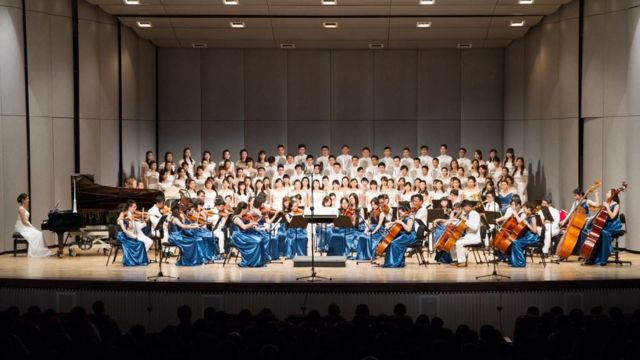
Since March 2023, CGM members in Taiwan have been almost voiceless against online bullying and media bias, finding no avenue for redress. This plight has garnered attention and support from domestic scholars and international human rights observers like Dr. Massimo Introvigne, editor-in-chief of “Bitter Winter” magazine. CGM members in Taiwan have also issued a solemn condemnation statement (see Appendix 1), and detailed specifics are available in Appendix 2. Appendixes 1 and 2 will be published as the third part of this series.
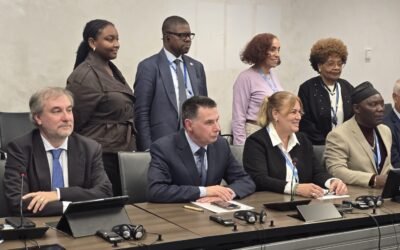
This situation has attracted attention from the Taiwan Ambassador-at-Large for Religious Freedom Pusin Tali and various human rights organizations, which have attempted to provide assistance and encouragement. However, the persecution of innocent members remains severe.
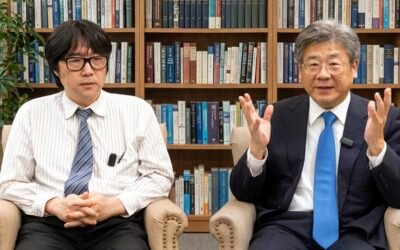
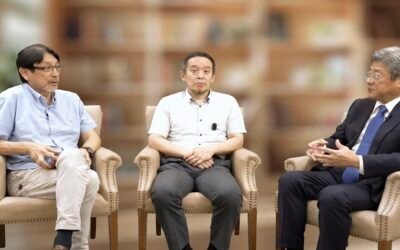
“Bitter Winter” interviewed three Taiwanese scholars familiar with Providence and its situation in Taiwan:
- Yu Chen-Li is Chair Professor in The Graduate Institute of Religious Studies (GIRS) at National Chengchi University. She is a specialist in gender issues connected with religion.
- Hung Tak-Wai is a Research Fellow of the Research Institute for the Humanities and Social Sciences of National Taiwan University. He specializes in the relationships between globalization, religion, and politics in East Asia.
- Lee Po-Han is a British-educated sociologist and Assistant Professor at National Taiwan University.

“Giving voice to an opinion shared by all the interviewees, Bitter Winter reported, Hung clearly stated that ‘It is essential to hold individuals accountable for any crimes they may have committed.’ The Taiwanese scholars agreed that in no case religious liberty may be an excuse for sexual abuse. If guilty, President Jung should be punished. On the other hand, Hung added, all defendants, including President Jung, should be granted the fundamental right to a fair trial. This right is not conditional and should not be compromised due to an individual’s religious affiliation.’”
The Taiwanese scholars also distinguished between the case of Pastor Jung and the unjust harassment of innocent CGM believers in Taiwan, and in South Korea as well. Lee noted that “many Providence members in South Korea, Taiwan, and elsewhere, both men and women, have been affected and threatened online and in everyday life since ‘In the Name of God’ was released on Netflix. Understandably, most of these actions are asserted out of a ‘sense of justice’ for women who were said to have been abused and violated. However, such actions also have a detrimental impact on innocent Providence members, especially women, who are framed and labeled, regardless of their relationships with the controversy at issue, personal histories of faith and affiliation, and efforts made to commit to their religion. They have been described and humiliated, with strong hostility, as ‘stupid,’ ‘naïve,’ and ‘brainwashed’—and even ‘self-exploited,’ if some of them obtained administrative positions in the church. Despite the intention—whether protectionist, paternalistic or simply misogynistic—such framing not only completely denies the agency and subjectivity of these women but also results in widespread discrimination against them in the popular discourse.”
In conclusion, the case of the Christian Gospel Mission (CGM) in Taiwan serves as a stark reminder of the profound impact that media narratives can have on cultural perception and societal dynamics. The sensationalized portrayal of CGM in the Netflix documentary has not only misrepresented the organization as a whole but has also led to significant repercussions for its members, including discrimination, harassment, and a pervasive climate of fear. This situation highlights the urgent need for responsible media practices that prioritize accuracy and fairness, particularly when addressing sensitive topics related to religion and culture.

As CGM in Taiwan continues to navigate the challenges posed by misinformation, it remains committed to its mission of promoting community welfare based on Christian faith, including youth cultivation, culture inclusivity and gender equality. The ongoing support from scholars, human rights organizations, and advocates for religious freedom is crucial in countering the negative effects of media bias and fostering a more inclusive environment for all.
Moving forward, society must remain vigilant in recognizing the potential harms of media sensationalism and strive for a deeper understanding of diverse cultural and religious groups. Emphasizing empathy, dialogue, and education can help bridge divides and promote a culture of inclusivity, ensuring that all individuals are treated with dignity and respect, regardless of their beliefs or affiliations. In doing so, we can work towards a more harmonious society that values diversity and upholds the principles of human rights for all.

Yowting Shueng is a Ph.D student at Taipei’s National Chengchi University, Graduate Institute of Religion.