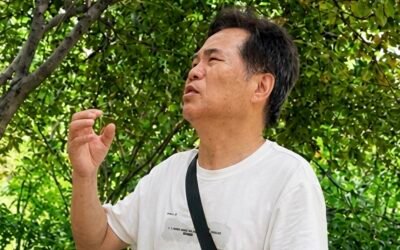
Judge rules that the proper venue for the trial of the human rights activist who exposed the horrors of China camps is Almaty rather than Nur-Sultan.

Serikzhan Bilash
by Massimo Introvigne
The day of judgement for Serikzhan Bilash ended with no judgment. The judge in Kazakhstan’s capital Nur-Sultan agreed with Bilash’s defense counsel, Aiman Umarova, that the trial should take place in Almaty, where the alleged crimes were committed. However, he also ruled that Bilash should remain under house arrest and cannot talk to the media, rejecting Umarova’s request that detention be ended.
Bilash was, however, allowed to make a short statement during a break in the trial.
“I have been raising the issue of what can be described as genocide against Kazakhs, Uyghurs, and other mainly Turkic people in Xinjiang, he said. Hundreds of thousands of them are being forced into so-called transformation through education camps, where they face torture and humiliation. Unfortunately, China’s soft power and money is turning Kazakh authorities and intellectuals into Beijing’s agents of influence.”
Umarova told Bitter Winter that Bilash is “totally innocent” and she will continue to fight to prove it, although she knows her client is being pressured and promised a more lenient sentence if he replaces her with a less outspoken lawyer.
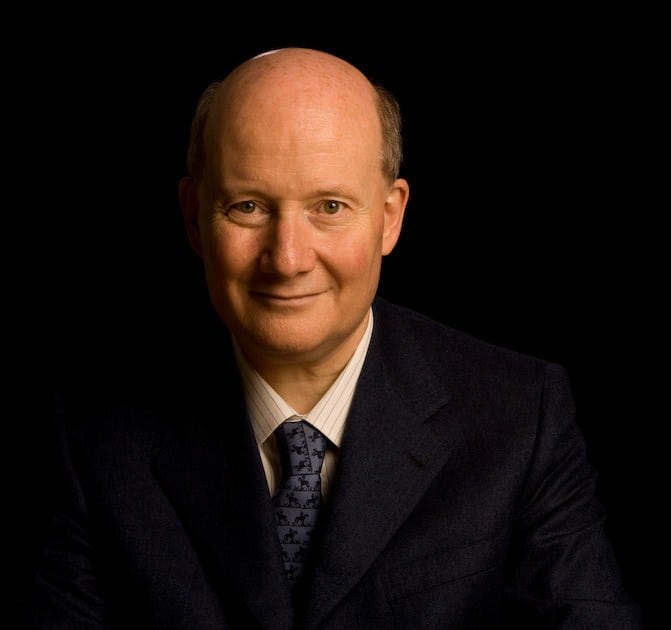
Massimo Introvigne (born June 14, 1955 in Rome) is an Italian sociologist of religions. He is the founder and managing director of the Center for Studies on New Religions (CESNUR), an international network of scholars who study new religious movements. Introvigne is the author of some 70 books and more than 100 articles in the field of sociology of religion. He was the main author of the Enciclopedia delle religioni in Italia (Encyclopedia of Religions in Italy). He is a member of the editorial board for the Interdisciplinary Journal of Research on Religion and of the executive board of University of Pennsylvania Press’ Nova Religio. From January 5 to December 31, 2011, he has served as the “Representative on combating racism, xenophobia and discrimination, with a special focus on discrimination against Christians and members of other religions” of the Organization for Security and Co-operation in Europe (OSCE). From 2012 to 2015 he served as chairperson of the Observatory of Religious Liberty, instituted by the Italian Ministry of Foreign Affairs in order to monitor problems of religious liberty on a worldwide scale.