Via WhatsApp, an Afghan Christian shares his experience of living under Taliban rule. We have verified his story, although we protect him with a pseudonym.
by Bitter Winter

Bitter Winter: Ahmad, thank you for speaking with us via WhatsApp. You’ve said your story is not just personal—it reflects the reality of many others. Can you explain?
Ahmad: Yes. My story is not only mine—it’s a glimpse into the life of every Afghan living under Taliban rule. Especially for Afghan Christians, the situation is suffocating. We exist, but we cannot say we are Christians.
Bitter Winter: When did you become a Christian?
Ahmad: I came to faith in Christ in 2023, while I was living in Iran. It happened gradually, through my studies. I became convinced of the truth of Christ. In Iran, I lived as a secret believer. It wasn’t safe to be open, but compared to Afghanistan, Iran was still somewhat freer. At least there, I could breathe.
Bitter Winter: Were you connected to any Christian communities while in Iran?
Ahmad: Yes. I was in touch with a church outside Iran. Through them, I was secretly distributing Bibles. It was risky, but I felt compelled to share the Word. I also emailed dozens of human rights organizations, explaining my situation. Most never replied. A few did, but they said they couldn’t help.

Bitter Winter: What led to your return to Afghanistan?
Ahmad: Iran changed its immigration policies. I was arrested and deported back to Afghanistan in the most inhumane way. No trial, no explanation—just forced removal. That was three months ago. Since then, I’ve lived in a rural area in western Afghanistan.
Bitter Winter: What is life like for a Christian in that part of the country?
Ahmad: There is no security. None. If my faith is discovered, I could be executed on the spot. No trial, no defense. I have a tattoo of a cross on my arm, which makes it nearly impossible to go outside. Even stepping out for a few minutes fills me with dread. Taliban checkpoints are everywhere. If they see the tattoo, it’s over.

Bitter Winter: What kind of controls are in place?
Ahmad: The rules are irrational and brutal. People—especially young men—are beaten in public for things like missing prayers or not following Taliban codes. Just last week in Herat, a young man was executed without cause. His body was dragged through the streets to instill fear. I saw it. I can’t forget it. I keep thinking: what would they do to me if they knew I was a Christian?
Bitter Winter: How does the local community treat you?
Ahmad: They’re extremely fanatical. They constantly ask why I don’t attend prayers, why I don’t go to the mosque, and why I behave differently. Several times, they’ve tried to force me to pray with them. The local imam checks daily who attends the mosque. He reports absentees to the Taliban’s intelligence department—the Ministry for the Promotion of Virtue and Prevention of Vice. I’ve already received threats from other worshippers. The message is clear: attend the mosque or be reported.
Bitter Winter: That sounds like psychological torture.
Ahmad: It is. Every day, every hour, I live under fear, repression, and suffocation. I endure constant pressure from the Muslims around me. I have to pretend, to hide, to lie about who I am. And I live with the knowledge that one day, my faith might be exposed. I think about that moment constantly. What will happen? Will I be dragged through the streets like that young man in Herat?
Bitter Winter: You’ve also shared some photos with us. Can you tell us about the risks involved?
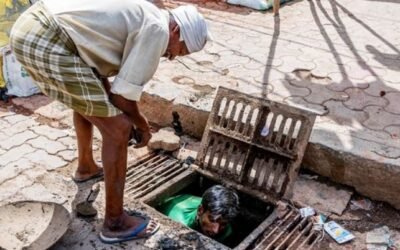
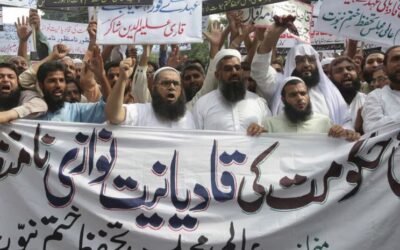
Ahmad: Taking photos in the streets is extremely dangerous. Taliban members are everywhere, often wearing local clothes, which makes it very easy for me to be identified. If they suspect someone, they beat him publicly in the market, then transfer him to the police station. Inside, people are tortured. Some simply disappear and never return home. That’s why I could only take photos to this limited extent. I hope what I managed to provide will be enough.

Bitter Winter: What message would you like to send to the international community?
Ahmad: Under this repressive and terrorist dictatorship, I and hundreds—maybe thousands—of Afghan Christians live in hiding. The moment our faith is exposed, we face death in a field court. No attention is given to us. No voice of ours is heard. We are forced to go to the mosque, to act Islamic, and we cannot even say that we are Christians.
We exist. But we are invisible. And we are in danger.