The teachings of the great Islamic scholar on fiscal justice remain relevant today for evaluating the dysfunctional Taiwanese tax system.
by Davide S. Amore*
*A paper presented at the session “Freedom of Religion Issues in Taiwan and the Tai Ji Men Case” of the CESNUR 2025 international conference, Cape Town, South Africa, November 19, 2025.
This paper examines how taxation, when manipulated as a tool of control, can become a subtle instrument for suppressing spiritual and civic freedom. It examines the Tai Ji Men case in Taiwan in conjunction with ibn Khaldun’s reflections on fiscal justice and moral governance. By comparing a modern instance of bureaucratic overreach with a classical theory of taxation and social cohesion, the paper argues that excessive or unjust taxation undermines the moral and social order on which legitimate governance depends. The analysis reveals that fiscal injustice is not only an economic failure but also a moral one—one that undermines trust, erodes freedom, and signals the decline of civilization.
Taxation is among the most fundamental instruments of state authority. Ideally, it provides the means for maintaining governance, funding public services, and ensuring social welfare. Yet, when taxation exceeds its rightful limits or is applied with discriminatory intent, it can transform from a mechanism of justice into a means of repression. History provides numerous examples of how fiscal policy has been used to marginalize, weaken, or silence specific communities. In modern times, this process often takes more subtle forms, as states employ taxation or regulatory measures to exert control over spiritual or moral movements that do not align with official ideologies.
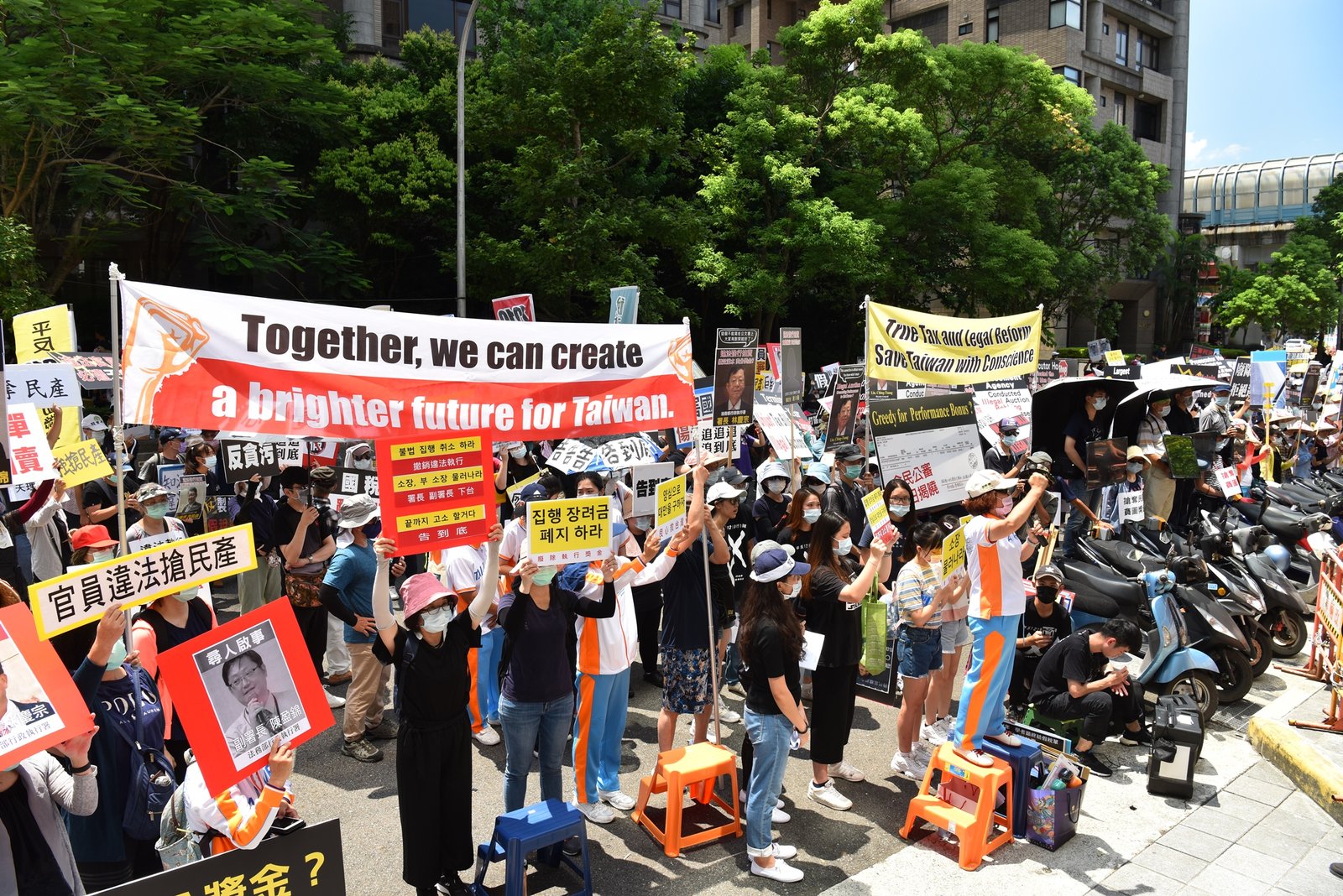
The Tai Ji Men case in Taiwan illustrates this transformation of fiscal authority into a tool of coercion. Tai Ji Men, a spiritual and cultural movement devoted to self-cultivation, moral education, and the promotion of peace, has endured decades of administrative and legal harassment under the pretext of taxation. Although the judiciary recognized Tai Ji Men’s innocence, tax authorities persisted in imposing financial penalties, culminating in the confiscation of sacred land. This episode demonstrates how the appearance of legality can conceal profound ethical violations. Such misuse of taxation is not merely a matter of fiscal mismanagement but a manifestation of moral imbalance between the state and its citizens.
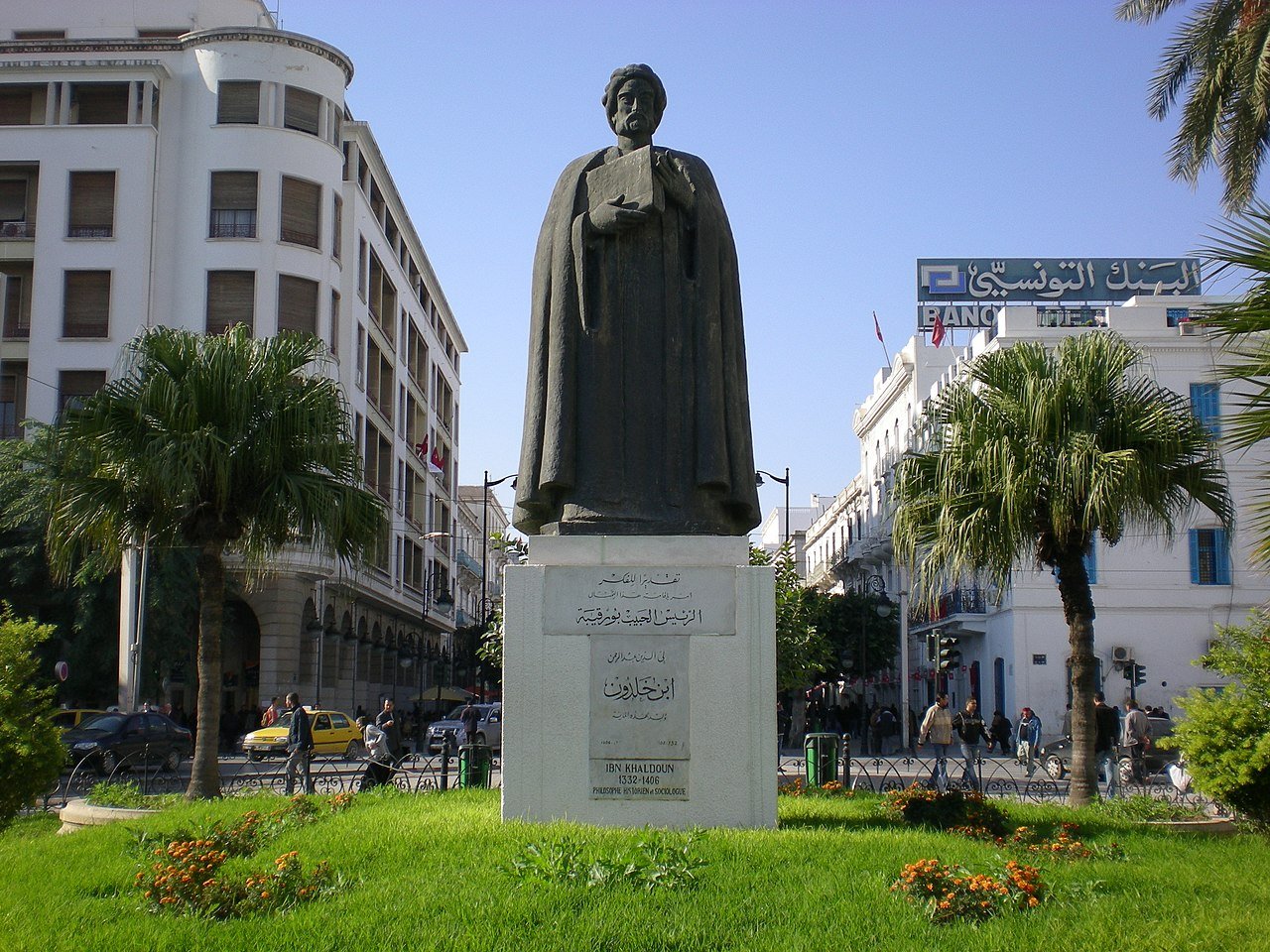
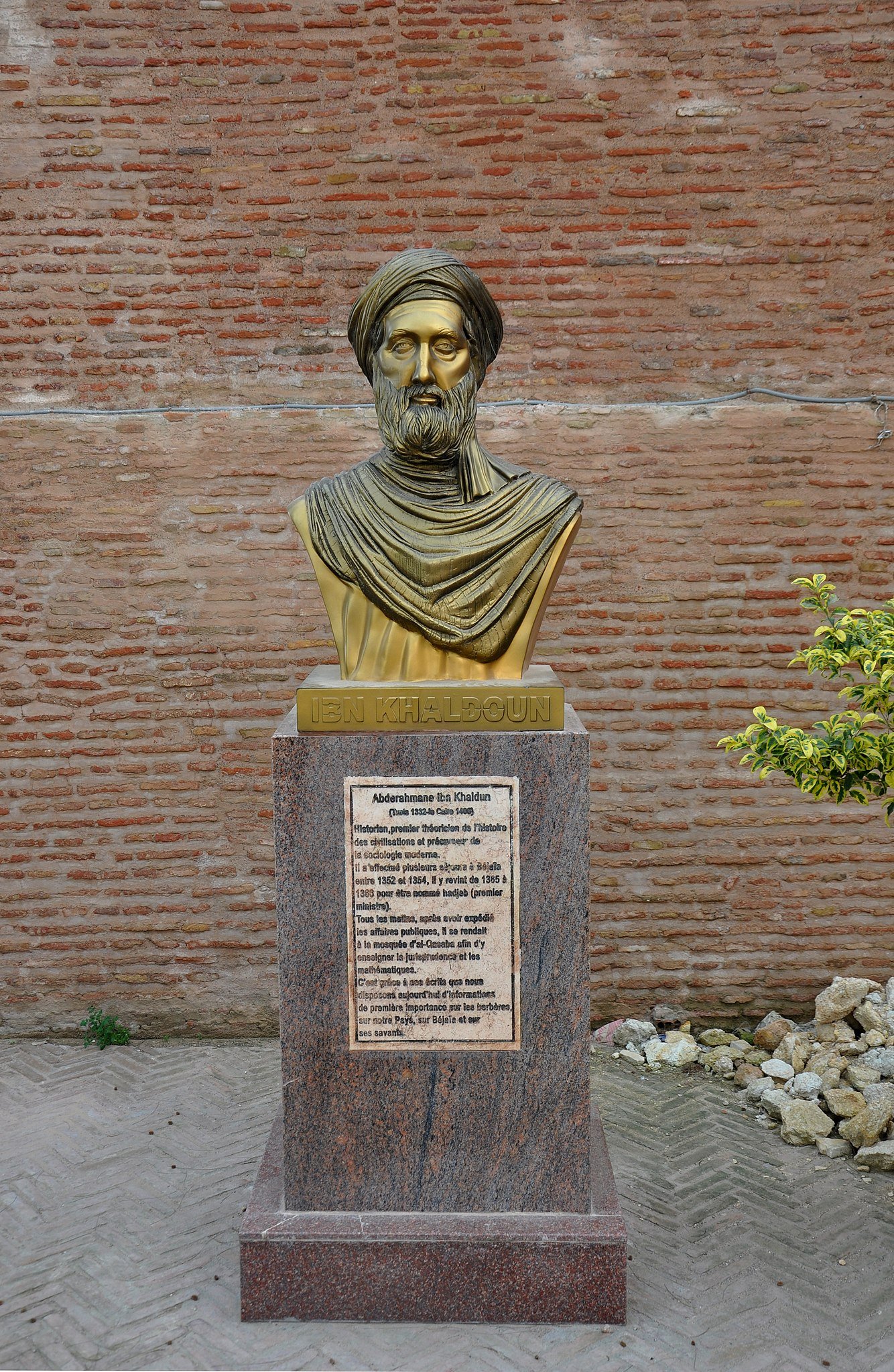
This paper compares the Tai Ji Men case with the reflections of ibn Khaldun, the fourteenth-century North African historian and philosopher. In his analysis of social and political development, ibn Khaldun identified fiscal justice as a central condition of civilizational stability. For him, taxation was not merely an economic issue, but a measure of moral governance and social solidarity. By examining the contemporary case of Tai Ji Men through the lens of ibn Khaldun’s insights, this study seeks to clarify how fiscal injustice undermines both social trust and spiritual freedom.
The conflict between Tai Ji Men and the Taiwanese state originated in a mischaracterization of voluntary spiritual offerings as taxable income. Despite judicial rulings affirming that these were personal gifts, tax authorities continued to treat them as financial transactions, issuing penalties that persisted long after legal acquittal. This persistence transformed a technical disagreement into an ethical crisis, where administrative procedures were used to assert dominance over a spiritual community. The continued enforcement of unjust taxes effectively limited the movement’s capacity to pursue its moral and educational mission.
This case illustrates how bureaucratic institutions can acquire coercive power independent of judicial oversight. What began as an accusation of fiscal irregularity evolved into a prolonged struggle for recognition and dignity. The issue was not the collection of revenue but the assertion of control through financial pressure. In this sense, the Tai Ji Men case exemplifies how taxation can be employed as a quiet form of repression—one that operates under the guise of legality while undermining fundamental freedoms.
Ibn Khaldun conceived taxation as both an economic and an ethical phenomenon. In his cyclical view of history, societies begin with justice, moderation, and solidarity; however, as rulers become detached from their subjects, they resort to excessive taxation to sustain their luxury and power. This process weakens economic productivity and dissolves the bonds of mutual trust that hold a society together. Excessive taxation, therefore, is not only a sign of moral decay but a cause of political and spiritual decline.
For ibn Khaldun, legitimate taxation rests upon justice and shared purpose. When taxes are light and fair, citizens are more willing to contribute to the common good. When they become oppressive, they discourage effort and invite resentment. Over time, the fiscal system itself becomes corrupted, serving the interests of power rather than the welfare of the people. Injustice, he argued, ruins civilization because it destroys the moral foundation on which economic life depends. The health of a state, therefore, can be measured by the justice of its taxation.
Viewed through ibn Khaldun’s framework, the Tai Ji Men case represents a modern instance of the social breakdown he described. When taxation loses its connection to justice, it becomes an instrument of domination rather than a means of service. In this case, fiscal mechanisms were used to impose moral control over a community whose independence challenged administrative authority. The resulting erosion of trust mirrors ibn Khaldun’s description of the later stages of dynastic decline, when rulers, detached from ethical restraint, exploit taxation for short-term gain.
Both ibn Khaldun’s analysis and the Tai Ji Men experience highlight a deeper principle: fiscal justice is inseparable from moral legitimacy. A state that disregards ethical limits in taxation undermines the very solidarity upon which its stability depends. The weakening of trust between government and citizens leads not only to economic inefficiency but to social alienation. Where citizens perceive taxation as unjust, they withdraw their moral commitment to the community, creating the very disunity ibn Khaldun identified as the prelude to decline.
The moral dimension of taxation extends beyond economics and law. It concerns the integrity of the relationship between rulers and the people they govern. A just tax system fosters mutual trust: citizens accept their obligations because they believe their contributions serve a legitimate and transparent purpose. When this trust is violated—through arbitrary enforcement or discrimination—taxation becomes a symbol of injustice rather than a means of cooperation.
The Tai Ji Men case shows that fiscal injustice can corrode not only material well-being but also spiritual life. By treating voluntary offerings as taxable income, the state failed to recognize the moral and symbolic nature of the act. In doing so, it reduced an expression of conscience to a financial transaction, negating the ethical intent that underlies spiritual generosity. This reduction exemplifies a broader danger of modern governance: the tendency to replace moral judgment with administrative procedure.
Taxation reflects the moral character of governance. When guided by justice, it strengthens community, promotes welfare, and sustains trust. When used as a means of control, it erodes both civic and spiritual freedom. The Tai Ji Men case demonstrates how the abuse of fiscal power can undermine fundamental rights, while ibn Khaldun’s analysis reveals that such abuse signals a more profound moral decline within society. Together, they demonstrate that fiscal justice is not merely an administrative ideal, but a prerequisite for preserving conscience, solidarity, and civilization itself.