The question still resounds with no answer sixteen years after the Supreme Court of the Republic of China ruled that all accusations against Tai Ji Men were inconsistent.


The question still resounds with no answer sixteen years after the Supreme Court of the Republic of China ruled that all accusations against Tai Ji Men were inconsistent.

A session of the 37th conference of the International Society for the Sociology of Religions was dedicated to FoRB problems in Taiwan in comparative perspective.

Parliamentarism is the worst form of government except for all the others. But it may degrade into tyranny of the majority as the Tai Ji Men case shows all too well.

Both countries experienced a difficult transition to democracy. In both countries, guaranteeing a real freedom of religion or belief proved to be problematic.

As a patent attorney, the author understands the need for private and public integrity and for putting together science and conscience. It did not happen in the Tai Ji Men case.
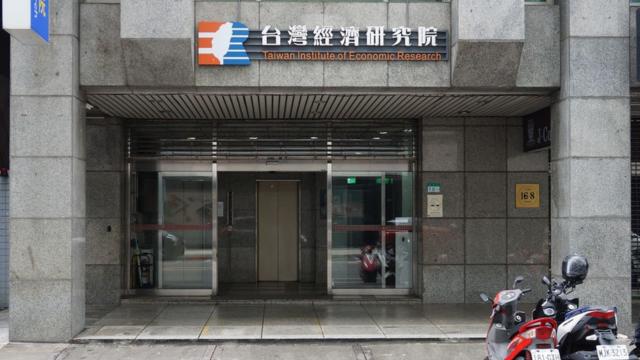
Taiwan’s economic development finds an obstacle in its idiosyncratic tax system, which also affected spiritual movements, including Tai Ji Men.

The tax case of Tai Ji Men offers evidence that both transitional justice and anti-corruption measures in Taiwan still have serious flaws.

The local assemblies of “decuriones” made the Roman Empire great and victorious. Tax injustice destroyed them—and the Empire itself.

On the International Day of Parliamentarianism, international experts discussed how a genuine parliamentary democracy should guarantee both religious liberty and tax justice.

It developed a three-fold strategy: peacefully protest and use all available legal remedies; continue its international activities on behalf of peace and love; nurture the body and mind of disciples through the practice of qigong.