Temporal limitations of transitional justice and of the possibility of submitting new evidence are against both conscience and international human rights covenants.


Temporal limitations of transitional justice and of the possibility of submitting new evidence are against both conscience and international human rights covenants.
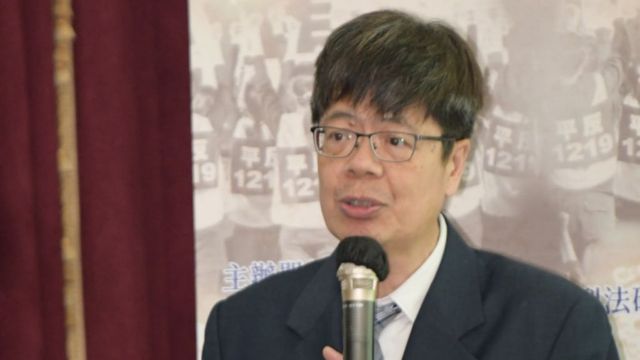
In a democracy, citizens are responsible for making sure that officials do not fall prey to corruption and abuse their power.

A summary of how the criminal and tax cases were fabricated from the beginning and supported by the lie that Tai Ji Men offered tuition as a cram school.

It is time to reflect on the nature and foundation of justice and finally grant it to Tai Ji Men in Taiwan.

International observers continue to watch whether Taiwan respects the Covenants it incorporated into its domestic law in 2009. In the case of Tai Ji Men, it doesn’t.

More than two thousand years ago, legal scholars already understood that sometimes the literal application of a law creates the worst injustice.

Taiwan incorporated the Two UN Covenants into its domestic law, but the Tai Ji Men case proves it does not always respect them.

For the ninth time, Geneva’s HRC heard that the Tai Ji Men case is a major freedom of religion or belief issue that needs to be urgently solved.

Social justice cannot be separated from granting human rights to everybody. An international webinar discussed how they were denied to Tai Ji Men.
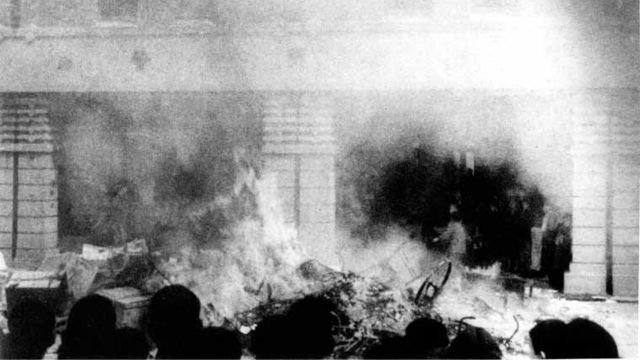
Injustice to one is injustice to all. And fighting for justice in one case benefits all cases. This is the lesson we have learned from Tai Ji Men.