Axel Honneth’s theory of recognition helps explain the injustice inflicted for three decades on Tai Ji Men.


Axel Honneth’s theory of recognition helps explain the injustice inflicted for three decades on Tai Ji Men.
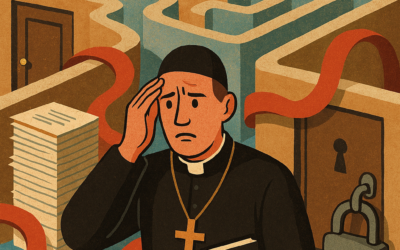
Registration systems are a way of limiting religious liberty. Unjust taxes are another.

Social justice cannot be separated from ecology and from freedom of religion or belief. It was the lesson of Dian Fossey. It is the lesson of Tai Ji Men.

The twelfth United Nations submission on the Tai Ji Men case confirms Taiwan’s problems with the Two Human Rights Covenants.

A sweeping report reveals how rights guaranteed on paper falter under administrative habits, as the Tai Ji Men case demonstrates.

Can China capture Taiwan’s President as the U.S. did with Maduro? Maybe not, judging from Beijing’s “anti-terrorism” operation of 2015 in the Uyghur region.
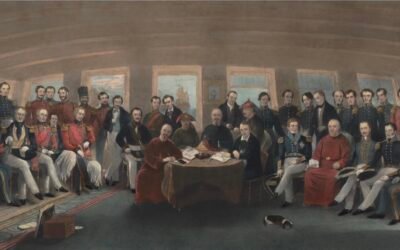
Judicial Day embodies the very meaning of democracy. Why, then, does Taiwan choose to erode democracy on a global scale by persisting in its unfair treatment of Tai Ji Men?

Judicial Day reminds us that justice is not a one-time act but a process that requires coherence, institutional courage, and a willingness to repair the harm done.

Puccini’s “Madama Butterfly” alludes to the Inequal Treaties in Japan. Judicial Day in Taiwan commemorates the end of similar treaties in China. It is also an opportunity to call for justice for Tai Ji Men.
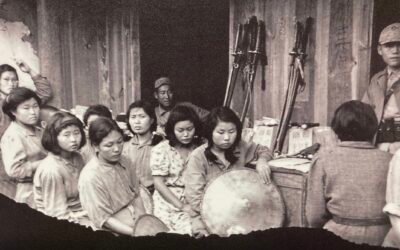
Beijing’s state TV deceived Taipei’s Ama Museum to produce a “documentary” that is a sermon against Japan’s and Taiwan’s present governments.