Human rights violations do not end when a conflict formally concludes; they are often carried across generations through inherited stories, fears, and silences.


Human rights violations do not end when a conflict formally concludes; they are often carried across generations through inherited stories, fears, and silences.
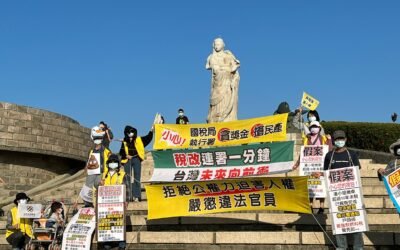
One case, almost three decades, and still a simple, uncomfortable question: what does the Tai Ji Men story tell us about human rights in today’s Taiwan?

A reflection on the lessons of the 1994 genocide and the ongoing human rights violations in the Tai Ji Men case

This time, Beijing lost. But in other cases, including Shen Yun’s, theaters surrendered to Chinese pressure.

The Kaohsiung attack, which left one seriously injured, occurred after warnings at the UN about the effects of media hate speech targeting the movement.
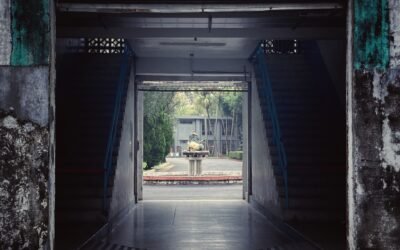
The lesson of 228 goes beyond history. It should be applied to all cases of abuse of authority, including Tai Ji Men’s.
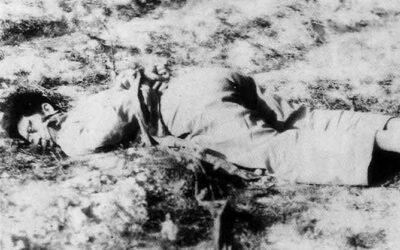
The 228 Incident and the persecution of Tai Ji Men highlight Taiwan’s difficult path toward fully implementing human rights.

A distinguished panel of international scholars and witnesses discussed how freedom of religion or belief is an essential part of social justice.
Reflecting on the denial of human rights, freedom of religion or belief, and civic participation, with implications for the rule of law in Taiwan.
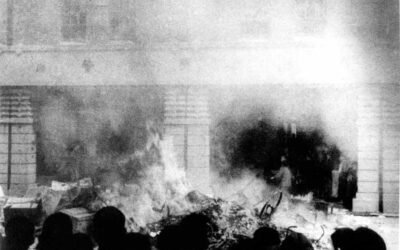
The World Day of Social Justice is connected for Taiwanese with Peace Memorial Day on February 28. Both call for a solution to the Tai Ji Men case.