Much more than a simple tax or monetary question is a stake in the Tai Ji Men case.
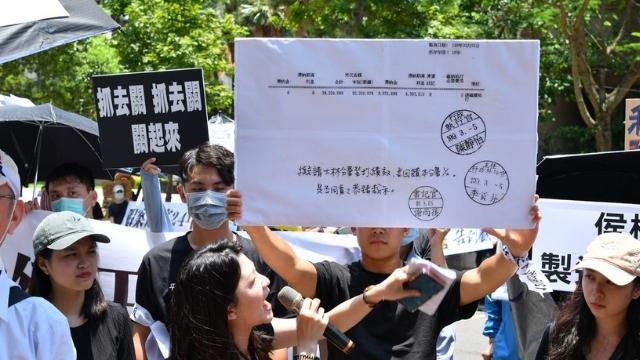

Much more than a simple tax or monetary question is a stake in the Tai Ji Men case.
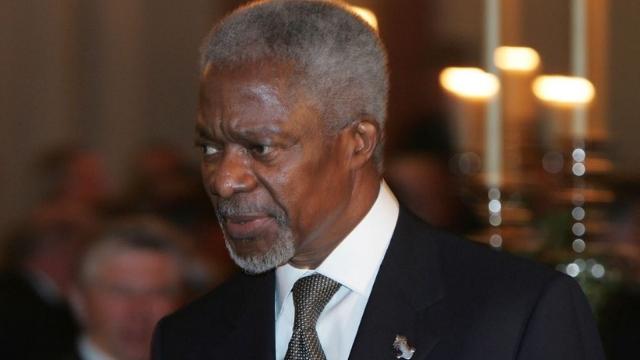
U.N. documents and Lithuanian cases about transitional justice indicate a road that is relevant for Taiwan as well.

A webinar asked why Tai Ji Men, a movement internationally reputed for teaching tolerance, became itself victim of intolerance.

In Vilnius at the RC-22 meeting of the International Sociological Association transitional justice and violations of freedom of religion were discussed.

My experience in Baltimore told me that dialogue and conscience are the only tools to solve difficult problems. This lesson was lost on the bureaucrats who handled the Tai Ji Men case.
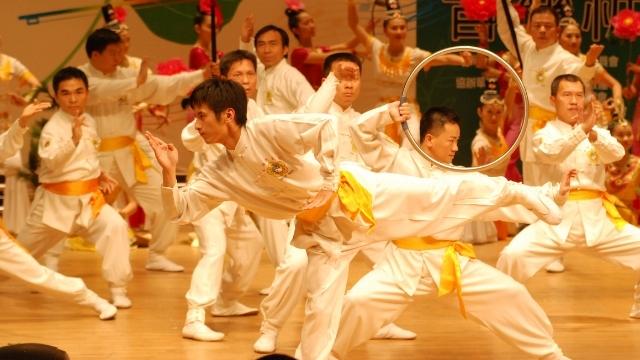
Both my practice as a Tai Ji Men dizi and my experience in the medical field told me that honest and sympathetic dialogue is crucial. This rule was not followed in the Tai Ji Men case.
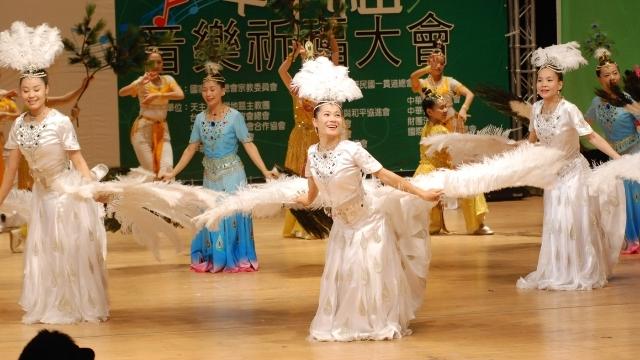
As the Tai Ji Men case proved, manipulating the media for political reasons is one of the most serious problems in our societies.
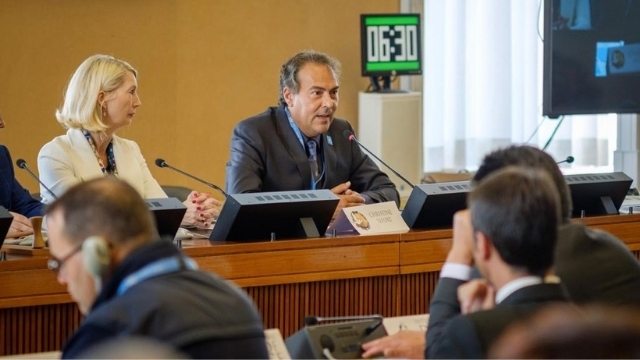
How CAP-LC told the Tai Ji Men story and advocated for justice at the U.N. Human Rights Council.
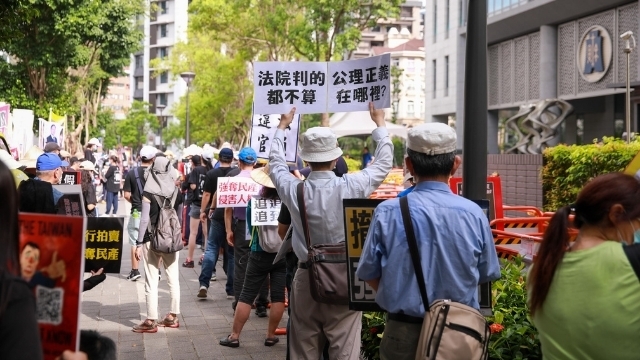
Two fundamental international legal principles, equality and consistency, were violated in the case of Dr. Hong and Tai Ji Men.
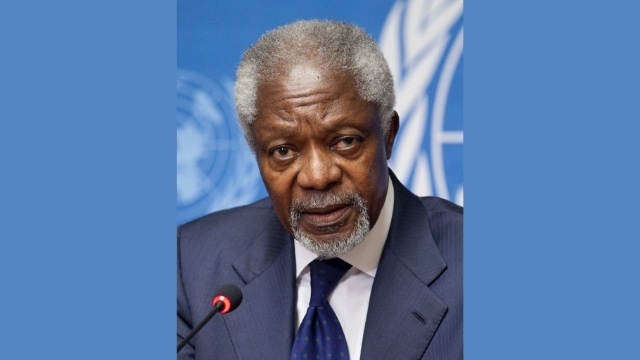
Inspired by a decision by the Inter-American Court of Human Rights, the U.N. became a main actor in promoting transitional justice. It is needed in Taiwan, too.