The Italian late symbolist painter can only be understood by acknowledging his connections to Rosicrucianism, Theosophy, and a Christian form of esotericism.


The Italian late symbolist painter can only be understood by acknowledging his connections to Rosicrucianism, Theosophy, and a Christian form of esotericism.

In a new book, Italian psychologist Chiara Luzi reveals new details on “Mother Superior,” “Saint Antoine,” and the painter’s mental problems.

A museum in Sala and a book on his magazine “Il Convito” help understanding the different aspects of the extraordinary career of the Swedish artist.

Spiritualist mediums claimed that in their presence works of art appeared on previously blank canvas or paper without the intervention of human hands.

An exhibition in Kaunas lifts the veil on an important painter and opera set designer, who managed to hide in his works symbols the censors did not understand.

Disillusioned with Stalin, the painter believed for a while that his messianic utopia would be supported by Roosevelt’s United States.
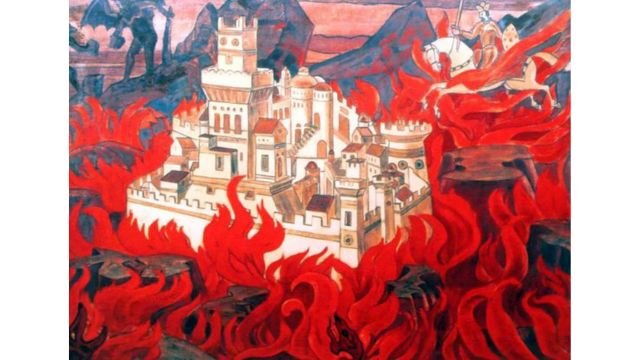
That Shambhala can be established on earth was an idea Roerich was able to sell to Stalin. But the dictator and the artist had in mind different kinds of kingdoms.

The notions of mythical and mystical kingdoms Shambhala and Agartha, as we know them today, are largely influenced by the views of the Russian painter.

Denied by some art historians, the influence of the Theosophical Society (which in turn rejected his artistic theories as too complicated) remained crucial until the Dutch painter’s last days. .
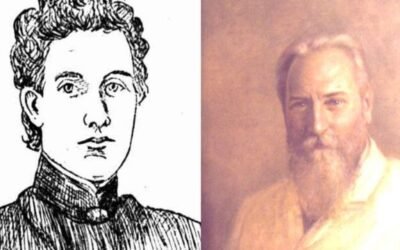
The strong experiences of the Australian artist with the Theosophical Masters and her involvement in the Leadbeater case led her to spend twenty years in a psychiatric hospital.