Hamas’ terrorism is based on a religious ideology, not on politics. When political solutions fail, and the military ones succeed only partially, the question is how Palestinians may be persuaded not to support Hamas.


Hamas’ terrorism is based on a religious ideology, not on politics. When political solutions fail, and the military ones succeed only partially, the question is how Palestinians may be persuaded not to support Hamas.

The Second Intifada, unlike the first, did not have a political project. It was pure desperation, and some believed it announced the end of the world. Instead, 9/11 came.

Hamas saw the 1993 Oslo Accords and the establishment of the Palestinian National Authority as an Israeli-American plot against the Islamic movement.

In 1992–93, international and domestic factors persuaded the leaders of Hamas that terrorism had become the best option.

Concomitant with the first Intifada, the Muslim Brotherhood in Palestine decided it was time to create an organization prioritizing the armed struggle.
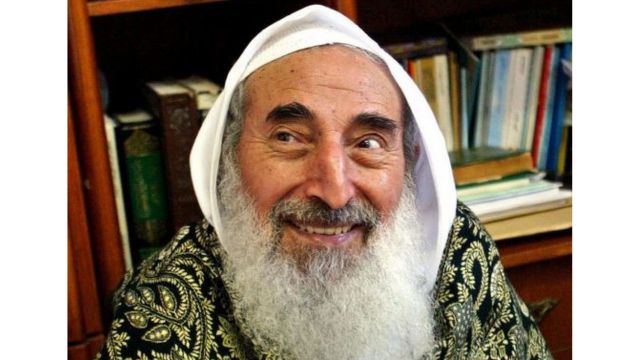
The Palestinian Muslim Brotherhood was accused of having wasted twenty years in building mosques rather than organizing terrorist attacks. But the mosques prepared the future success of Hamas.

Although the Muslim Brotherhood was born in Egypt around Egyptian domestic issues, it was by prioritizing the Palestinian question that it became a global movement.

Understanding where Hamas comes from is essential to read recent events correctly. A new “Bitter Winter” series.
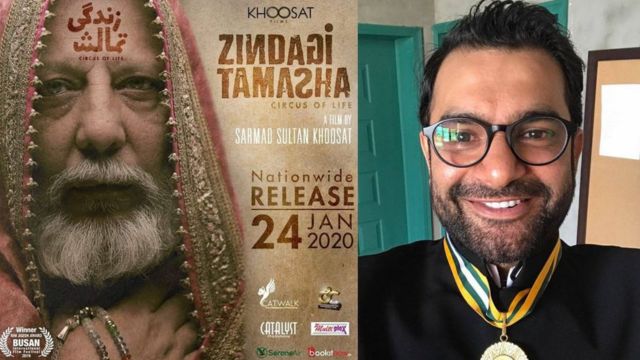
Threats by extremist Tehreek-e-Labbaik made it impossible to release in Pakistan what critics hailed as one of the best Pakistani movies of recent years.

The tragedy of September 11, 2001, changed forever how we reflect on “Islamic fundamentalism.” Twenty years after, a picture of the situation.