Detention in mass camps, forced sterilization, coerced birth control, and sexual abuse are rarely mentioned. Perhaps economic ties with China make criticism inconvenient.
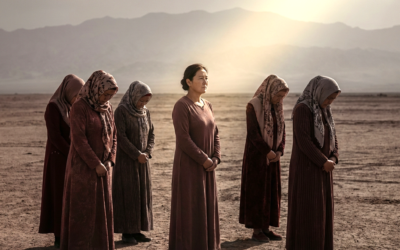

Detention in mass camps, forced sterilization, coerced birth control, and sexual abuse are rarely mentioned. Perhaps economic ties with China make criticism inconvenient.
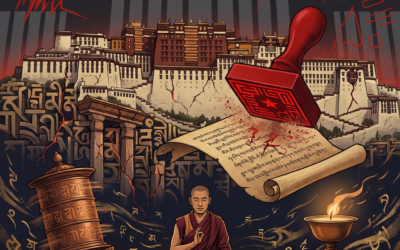
The new policy assaults the Tibetan language and thus Tibet’s cultural and religious foundations.
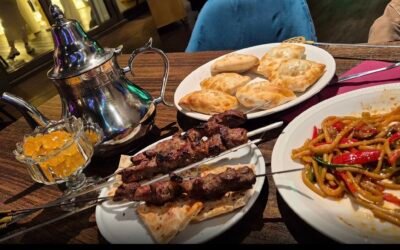
Uyghur food is a bridge to introduce and protect Uyghur culture. But the eateries should not humor Beijing in their language and symbols.
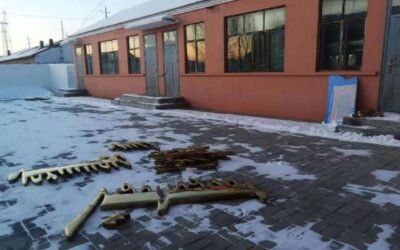
A sweeping investigation reveals how Mongolian words, songs, and memories are being erased, from the digital world to the classroom door.

A new photo opportunity with the CCP for the former UN High Commissioner for Human Rights, who failed to confront the regime on the Uyghurs’ cultural genocide.
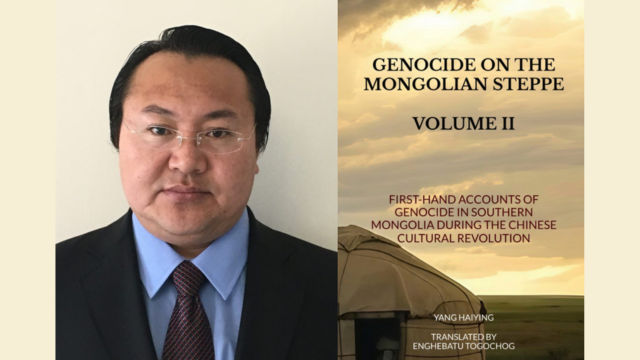
The Cultural Revolution was a genocidal time in what China calls Inner Mongolia. Today, it’s a cultural genocide.
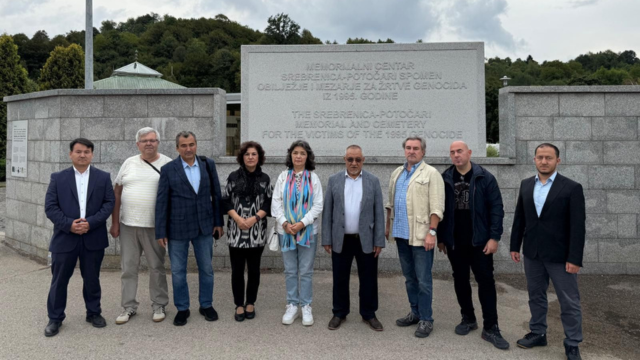
Three decades ago, a physical genocide was committed in the heart of Europe amid international indifference. In China, a cultural genocide is still being perpetrated amid the same international indifference.
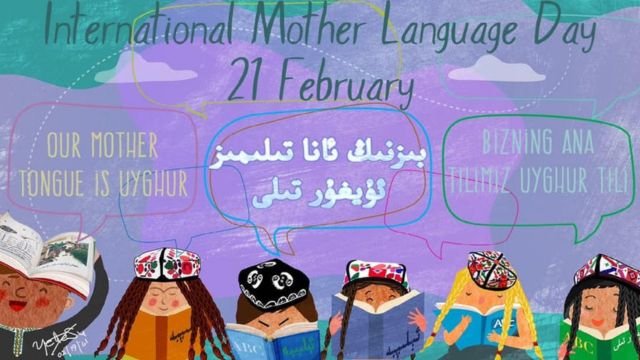
The “Lonely Uyghur” protester, well-known to “Bitter Winter” readers, celebrates in his own way the day established to protect endangered languages.

Private lessons to improve the students’ skills in Tibetan have now been forbidden in favor of vacation homework in Mandarin and the study of Xi Jinping’s thought.

They are starting with adjectives. “Mongolian culture” becomes mandatorily “Northern Frontier culture.”