The attack on the memorial of Maharaja Ranjit Singh at the Lahore Fort generated widespread emotion in Pakistan, India.
by Massimo Introvigne

On August 17, a nine-foot-tall bronze statue of the first ruler of the Sikh Empire, Maharaja Ranjit Singh, was vandalized at the Lahore Fort, in Pakistan, by an attacker who chanted slogans, broke an arm of the statue, and dismantled the hero’s bust from the horse.
The vandal, who had at least one accomplice, was identified as a member of the fundamentalist Islamic party Tehreek-e-Labbaik Pakistan (TLP), which had been banned earlier this year. He has been arrested.

This is the third attack against the statue since it was unveiled in 2019. The office of Pakistan’s Prime Minister condemned the attack, and Information Minister Fawad Chaudhary blamed it on a deranged “illiterate,” although his political affiliation makes it clear that the incident had ideological motivations.

India’s External Affairs Ministry Spokesperson Arindam Bagchi said that attacks against Hindu and Sikh places of worship and symbols are growing “at an alarming rate” in Pakistan, and that more should be done to protect the religious minorities there.
He noted that only 12 days before the incident in Lahore, a mob attacked and desecrated a Hindu temple in Rahim Yar Khan in Pakistan, and that the Pakistani government “has completely failed in its duty to prevent such attacks.”
Maharaja Ranjit Singh unified various Sikh confederacies and small kingdoms to create the Sikh Empire. He is also remembered in the Sikh religion for his efforts to rebuild the Golden Temple in Amritsar and restore other main gurudwaras.
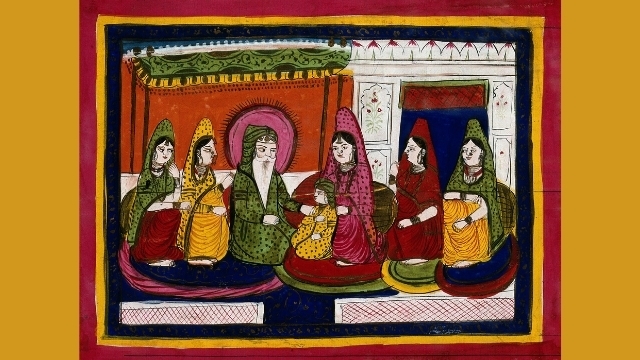
Since he fought and won several wars against Afghani Muslims, he has been vilified by radical Islamic historians, starting a few years after his death in 1839.
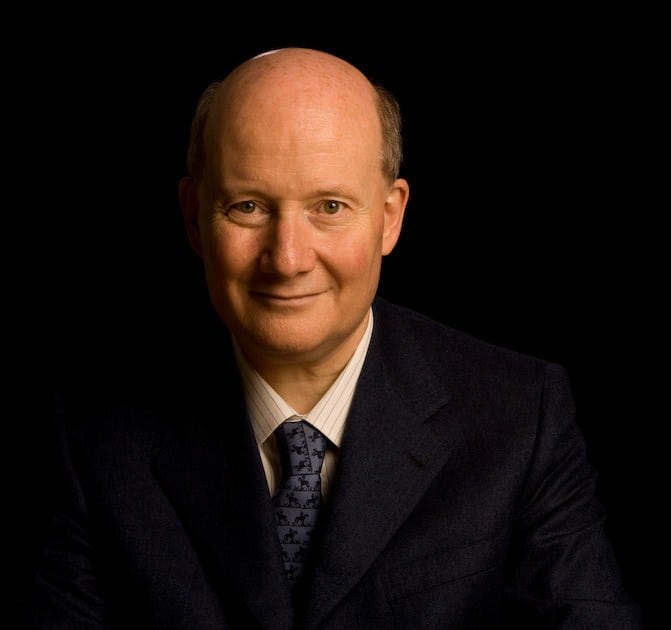
Massimo Introvigne (born June 14, 1955 in Rome) is an Italian sociologist of religions. He is the founder and managing director of the Center for Studies on New Religions (CESNUR), an international network of scholars who study new religious movements. Introvigne is the author of some 70 books and more than 100 articles in the field of sociology of religion. He was the main author of the Enciclopedia delle religioni in Italia (Encyclopedia of Religions in Italy). He is a member of the editorial board for the Interdisciplinary Journal of Research on Religion and of the executive board of University of California Press’ Nova Religio. From January 5 to December 31, 2011, he has served as the “Representative on combating racism, xenophobia and discrimination, with a special focus on discrimination against Christians and members of other religions” of the Organization for Security and Co-operation in Europe (OSCE). From 2012 to 2015 he served as chairperson of the Observatory of Religious Liberty, instituted by the Italian Ministry of Foreign Affairs in order to monitor problems of religious liberty on a worldwide scale.