Satanists are already banned, says leading Russian anti-cultist. The Duma should instead ban “neo-pagans.”
by Massimo Introvigne

Earlier this month, a Russian Parliament (Duma) roundtable discussed a ban on Satanism. According to Duma member Nikolai Burlyaev, “There are numerous complaints from citizens about satanic sex orgies in Moscow and many cities in Russia.”
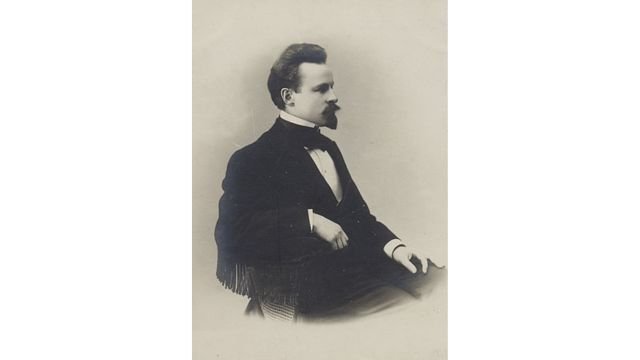
The Church of Satan, The Satanic Temple, and books promoting Satanism are already banned in Russia. The roundtable was about going one step further. TV anchorwoman Anna Shafran even proposed banning the works of the famous poet Konstantin Balmont, who died in 1942 and was one of the leading lights of Russian symbolism. Like other European symbolists, Balmont was fascinated by the figure of Lucifer and influenced by Baudelaire—which does not make him a Satanist.
Among those who disagreed with the Duma’s roundtable was Russia’s most prominent anti-cultist, Alexander Dvorkin.
Not that Dvorkin advocates any tolerance for Satanists. He commented that they were banned well before the roundtable, and that the Duma wastes time. Also, calling everybody a Satanist creates confusion, he said.
He would like the Duma to focus on “cults” that are more active in Russia, including the “neo-pagans” to whom Dvorkin has devoted special attention in the last months.

Massimo Introvigne (born June 14, 1955 in Rome) is an Italian sociologist of religions. He is the founder and managing director of the Center for Studies on New Religions (CESNUR), an international network of scholars who study new religious movements. Introvigne is the author of some 70 books and more than 100 articles in the field of sociology of religion. He was the main author of the Enciclopedia delle religioni in Italia (Encyclopedia of Religions in Italy). He is a member of the editorial board for the Interdisciplinary Journal of Research on Religion and of the executive board of University of California Press’ Nova Religio. From January 5 to December 31, 2011, he has served as the “Representative on combating racism, xenophobia and discrimination, with a special focus on discrimination against Christians and members of other religions” of the Organization for Security and Co-operation in Europe (OSCE). From 2012 to 2015 he served as chairperson of the Observatory of Religious Liberty, instituted by the Italian Ministry of Foreign Affairs in order to monitor problems of religious liberty on a worldwide scale.