The crime should cover cases, including of religious movements, where all efforts to declare a group “extremist” fail.
by Massimo Introvigne

The Patriarchal Commission on Family Affairs and Protection of Motherhood and Childhood of the Russian Orthodox Church is calling for the introduction of the concept of “destructive ideology” and punishment for its dissemination into the Criminal Code and the Code of Administrative Offenses, as revealed by the state-owned agency RIA Novosti.
Inga Yumasheva, a former member of the Duma and an “expert” working with the Russian Orthodox Church’s Patriarchal Commission, told last week the Duma’s Expert Council to Improve Legislation in the Social Sphere, that “We propose, first of all, to work to include the concept of ‘destructive ideology’ into the Criminal Code and the Code of Administrative Offenses, and then to provide for appropriate punishment for its dissemination.”
Criticism of the Russian Orthodox Church and claims that other religious or spiritual paths are superior to it are normally criminalized in Russia by applying the law against extremism, which is interpreted to categorize these claims as “religious extremism” even when no physical violence or incitement to violence is involved. However, Russian anti-cultists who call new religious movements “destructive cults” (“sekty” in Russian) have lamented that not in all cases “extremism,” even by adopting this broad definition, can be proved.
The Russian Orthodox Church also includes among “destructive ideologies” those advocating LGBT rights.
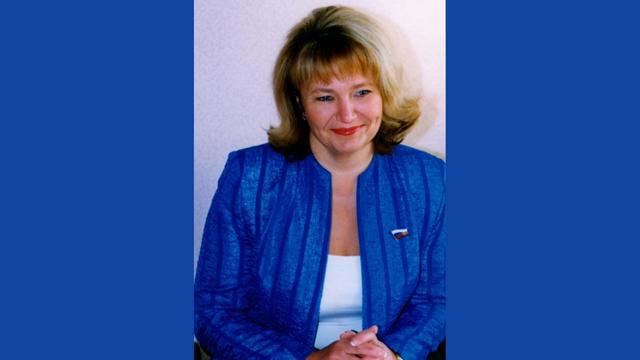
Earlier this month, the head of the State Duma Committee on Family Affairs, Nina Ostanina, who despite being a member of the Communist Party has often cooperated with the Patriarchate in the fight against “destructive ideologies,” told the same RIA Novosti that a bill against “sorcerers and healers” is also being prepared. These are also figures the anti-cultists claim are involved in “cultic activities” not easily captured by the anti-extremism legislation, particularly when they operate as solo practitioners and do not create recognizable movements.
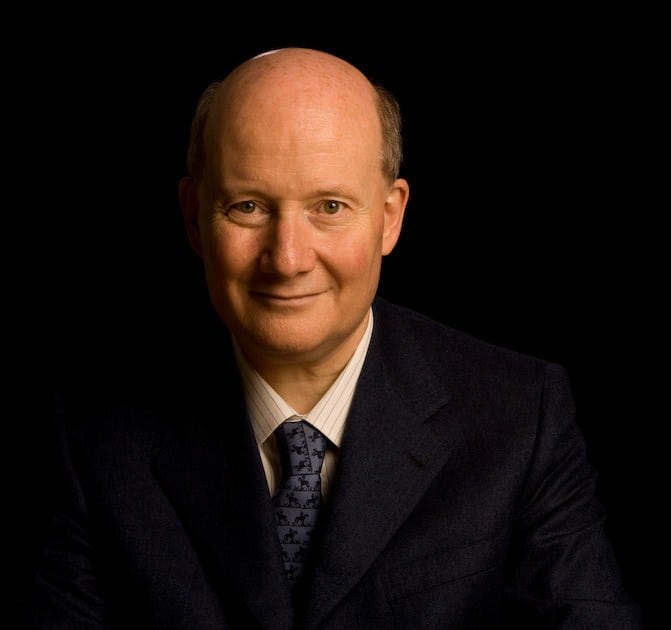
Massimo Introvigne (born June 14, 1955 in Rome) is an Italian sociologist of religions. He is the founder and managing director of the Center for Studies on New Religions (CESNUR), an international network of scholars who study new religious movements. Introvigne is the author of some 70 books and more than 100 articles in the field of sociology of religion. He was the main author of the Enciclopedia delle religioni in Italia (Encyclopedia of Religions in Italy). He is a member of the editorial board for the Interdisciplinary Journal of Research on Religion and of the executive board of University of California Press’ Nova Religio. From January 5 to December 31, 2011, he has served as the “Representative on combating racism, xenophobia and discrimination, with a special focus on discrimination against Christians and members of other religions” of the Organization for Security and Co-operation in Europe (OSCE). From 2012 to 2015 he served as chairperson of the Observatory of Religious Liberty, instituted by the Italian Ministry of Foreign Affairs in order to monitor problems of religious liberty on a worldwide scale.