A schoolteacher was abducted at gunpoint from her home, and forced to convert to Islam and marry the man who had raped her—“voluntarily,” a Pakistani court said.
by Massimo Introvigne

On August 31, a court in the Buner District of the Pakistani province of Khyber Pakhtunkhwa ruled that the Muslim marriage between a young schoolteacher, Dina Kaur, and a rickshaw puller named Hezbollah, was valid, as was Dina’s previous conversion to Islam.
The father of the girl, Gurcharan Singh, had reported that 25-year-old Dina had been abducted at gunpoint from her home in Pir Baba Town in the Buner District on August 20, raped, and forced to convert to Islam and marry the man who had raped her, Hezbollah. Dina and her family are Sikh, and relatives testified that she was an active member of the Sikh community and never showed any interest in changing her faith.
The local police originally refused to register the case, but later detained Hezbollah. However, the man and Dina, wearing a hijab, appeared in court and she assented to Hezbollah’s claim that the conversion and marriage were voluntary.

Case closed? Not for the Sikh community and other religious minorities. They quote dozens of cases where in Pakistan girls belonging to other faith communities are kidnapped, raped, forcibly converted to Islam, and married to Muslim men. They are then terrorized and brought to court, where they confirm or at least do not deny that they had converted and married “voluntarily.”
They know that life would be very difficult for them if they would publicly admit that they had been raped, and that if they do not testify as asked violence will follow against them and their families. Religious minorities representatives quoted the case of a Hindu woman who refused to testify that her conversion and marriage had been voluntary earlier this year and was killed.
Sikh protests continue to take place both in Pakistan and in India, where a delegation of the Delhi Sikh Gurdwara Management Committee was received by India’s Pakistan High Commission, which was asked to lodge a formal protest.
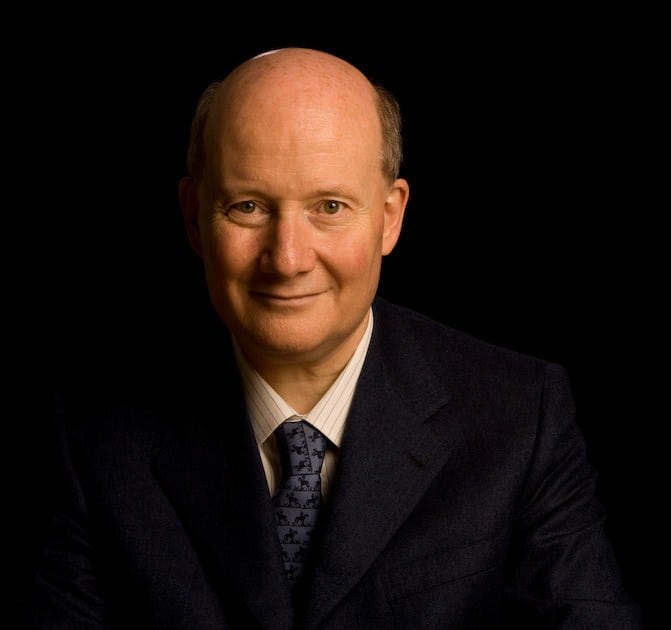
Massimo Introvigne (born June 14, 1955 in Rome) is an Italian sociologist of religions. He is the founder and managing director of the Center for Studies on New Religions (CESNUR), an international network of scholars who study new religious movements. Introvigne is the author of some 70 books and more than 100 articles in the field of sociology of religion. He was the main author of the Enciclopedia delle religioni in Italia (Encyclopedia of Religions in Italy). He is a member of the editorial board for the Interdisciplinary Journal of Research on Religion and of the executive board of University of California Press’ Nova Religio. From January 5 to December 31, 2011, he has served as the “Representative on combating racism, xenophobia and discrimination, with a special focus on discrimination against Christians and members of other religions” of the Organization for Security and Co-operation in Europe (OSCE). From 2012 to 2015 he served as chairperson of the Observatory of Religious Liberty, instituted by the Italian Ministry of Foreign Affairs in order to monitor problems of religious liberty on a worldwide scale.