A number of Hindu students were provisionally banned from the campus and asked to appear before a disciplinary commission after an event connected with the popular feast.
by Massimo Introvigne

This week Dawood University of Science and Technology, a leading private university in Karachi, Pakistan, came under sustained criticism on social and printed media for harassing Hindu students after they celebrated the Holi Festival on campus.
After they took part in a Holi celebration on February 21, students were provisionally banned from the university premises and requested to appear before a disciplinary commission. Some of them posted the letters they received on social media.

Although the letters mentioned “shouting anti-state slogans,” when contacted by the media the university claimed that students were being sanctioned for holding an event on campus without having sought the proper authorizations.
Supported by politicians interested in minority issues such as former parliamentarian Lal Malhi, the Hindu students insisted on social media that this was yet another case of discrimination against a religious minority and that the accusation of chanting “anti-state slogans” was a pretext. “Has celebrating Holi also become a crime now? Is celebrating Holi in university now against the state?,” Lal Malhi asked on X.
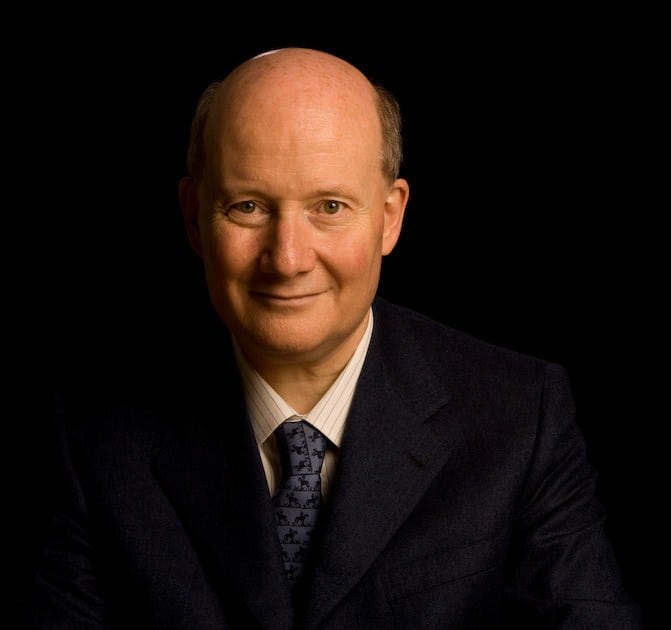
Massimo Introvigne (born June 14, 1955 in Rome) is an Italian sociologist of religions. He is the founder and managing director of the Center for Studies on New Religions (CESNUR), an international network of scholars who study new religious movements. Introvigne is the author of some 70 books and more than 100 articles in the field of sociology of religion. He was the main author of the Enciclopedia delle religioni in Italia (Encyclopedia of Religions in Italy). He is a member of the editorial board for the Interdisciplinary Journal of Research on Religion and of the executive board of University of California Press’ Nova Religio. From January 5 to December 31, 2011, he has served as the “Representative on combating racism, xenophobia and discrimination, with a special focus on discrimination against Christians and members of other religions” of the Organization for Security and Co-operation in Europe (OSCE). From 2012 to 2015 he served as chairperson of the Observatory of Religious Liberty, instituted by the Italian Ministry of Foreign Affairs in order to monitor problems of religious liberty on a worldwide scale.