A mob tried to interrupt a woman’s funeral. Hundreds of graves were desecrated.
by Massimo Introvigne

On June 6 in Safdarabad, a village in the Sheikhupura District in the Punjab province of Pakistan, the Ahmadi community was mourning a deceased woman and gathering for her funeral. When they arrived at the cemetery and started digging the grave, they were attacked by a mob of local Sunni Muslims, who tried to prevent the burial from taking place.
According to the majority Sunnis and to the government, Ahmadis are “not Muslims,” and their use of funerary customs similar to the Islamic ones is offensive to Islam. The government tries to prevent violent incidents by separating the areas in cemeteries where Ahmadis and Sunni Muslims should be buried, but this is not enough.

What happened in Safdarabad is not an isolated incident. Bitter Winter has learned that in the last 12 months only, some 150 graves of Ahmadis have been desecrated in Pakistan. When a complaint is filed, local police often answer that, if Muslim symbols were used in the grave, the desecration is actually the Ahmadis’ fault, since Pakistani law prevents the Ahmadiyya community from stating directly or through the use of signs and symbols that it is part of Islam.

Ahmadis are regarded as heretics by conservative Muslims, since they call their founder Mirzā Ghulām Ahmad (1839–1908) a prophet, thus violating the Islamic precept that there can be no prophet after Prophet Muhammad.

Ahmadis are heavily persecuted in Pakistan. It seems that persecution does not even stop with their death.
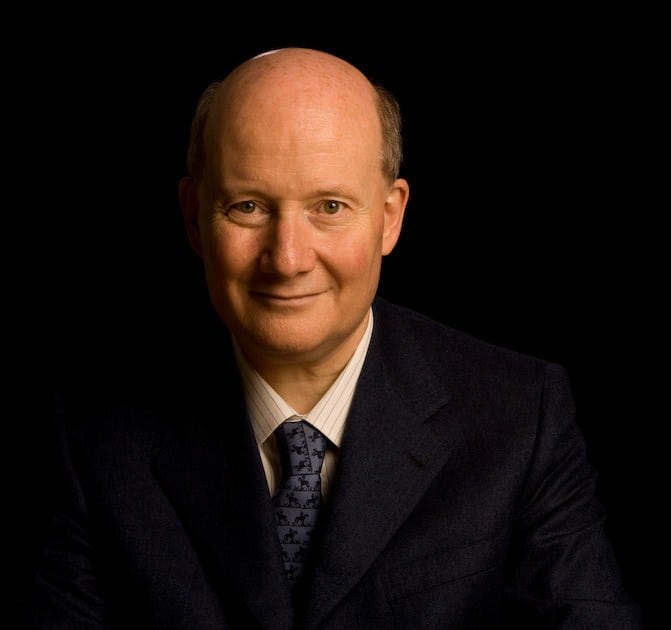
Massimo Introvigne (born June 14, 1955 in Rome) is an Italian sociologist of religions. He is the founder and managing director of the Center for Studies on New Religions (CESNUR), an international network of scholars who study new religious movements. Introvigne is the author of some 70 books and more than 100 articles in the field of sociology of religion. He was the main author of the Enciclopedia delle religioni in Italia (Encyclopedia of Religions in Italy). He is a member of the editorial board for the Interdisciplinary Journal of Research on Religion and of the executive board of University of California Press’ Nova Religio. From January 5 to December 31, 2011, he has served as the “Representative on combating racism, xenophobia and discrimination, with a special focus on discrimination against Christians and members of other religions” of the Organization for Security and Co-operation in Europe (OSCE). From 2012 to 2015 he served as chairperson of the Observatory of Religious Liberty, instituted by the Italian Ministry of Foreign Affairs in order to monitor problems of religious liberty on a worldwide scale.