Religious extremists and the “encroachment mafia” likely cooperated in the attack in Purana Qila.
by Massimo Introvigne

It was the evening of March 27, Saturday, in the Purana Qila area of Rawalpindi. Suddenly, a mob stormed the 100-year-old Hindu temple. They damaged the main door, another door, and a staircase. Reportedly, some also tried unsuccessfully to set fire to the historical temple.
When the police arrived, those responsible had escaped. They have not been identified, but the police promised to protect the temple and the home of Om Prakash, the temple administrator.
The temple was undertaking renovation and should be opened soon. No personnel were working in the temple at the time of the attack, as Hindus were preparing for their Holi festival, which this year fell on March 28 and 29.
As is usual for Hindu temples in Pakistan, it was not only a case of religious intolerance. Probably, organized crime was also involved in the attack.

A usual expression in Pakistan is “encroachment mafia.” Protected by organized crime, but often also by local authorities, shop owners illegally occupy land belonging to religious minorities with shops and kiosks.
On March 24, some of the encroachers had been compelled to leave, following a complaint by the temple administrators. This explains the violent reaction of March 27.
The incident took place in a climate of harassment of the Hindu minority that several NGOs and international reports on religious liberty have denounced. Hindu and Sikh places of worship are often desecrated, with little or no police reaction. A report has called the situation of Hindus in Pakistan “informal apartheid.”
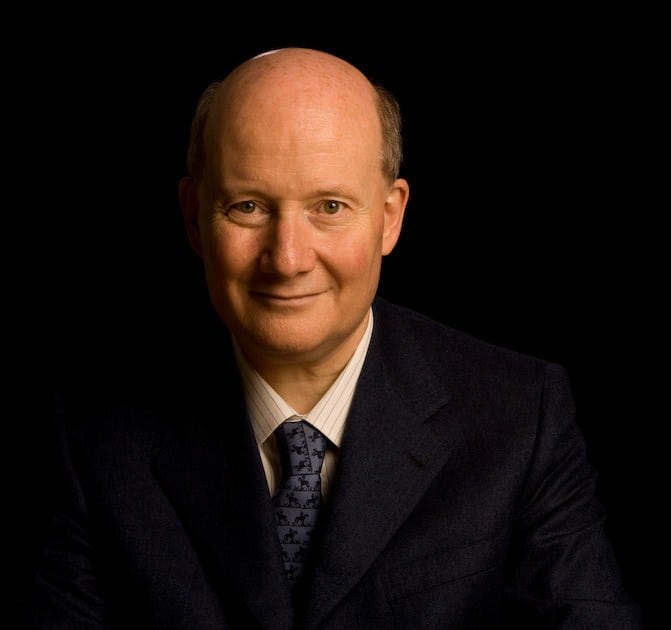
Massimo Introvigne (born June 14, 1955 in Rome) is an Italian sociologist of religions. He is the founder and managing director of the Center for Studies on New Religions (CESNUR), an international network of scholars who study new religious movements. Introvigne is the author of some 70 books and more than 100 articles in the field of sociology of religion. He was the main author of the Enciclopedia delle religioni in Italia (Encyclopedia of Religions in Italy). He is a member of the editorial board for the Interdisciplinary Journal of Research on Religion and of the executive board of University of California Press’ Nova Religio. From January 5 to December 31, 2011, he has served as the “Representative on combating racism, xenophobia and discrimination, with a special focus on discrimination against Christians and members of other religions” of the Organization for Security and Co-operation in Europe (OSCE). From 2012 to 2015 he served as chairperson of the Observatory of Religious Liberty, instituted by the Italian Ministry of Foreign Affairs in order to monitor problems of religious liberty on a worldwide scale.