Arrests were carried out earlier this month, following previous raids in Moscow and Krasnodar.
by Massimo Introvigne
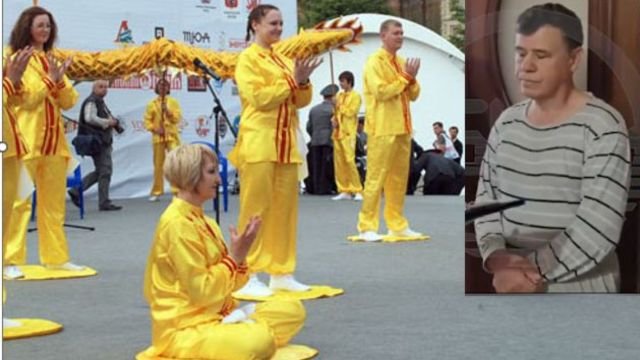
2024 is a bad year for Falun Gong in Russia. The organization was declared “undesirable” in 2020 but only after the war of aggression against Ukraine started was Russian law amended to deal with “undesirable” groups as severely as with the “extremist” ones.
After raids in Moscow and in the Krasnodar Krai, the crackdown continued earlier this month in the Republic of Mordovia. The FSB raided private homes in Mordovia’s capital city of Saransk, in the Aksenovo village in the Lyambirsky District, and in the Romodanovo rural settlement, the administrative center of Romodanovsky District. Promotional Falun Gong literature was confiscated.
A 64-year-old man was arrested as the “cell leader” of Falun Gong in Mordovia. The FSB reported that, while originally Falun Gong’s aim was to overthrow the Communist government in China, later it cooperated with the “US authorities” to organize a network of “cells” in Russia aimed at destabilizing the Putin regime.
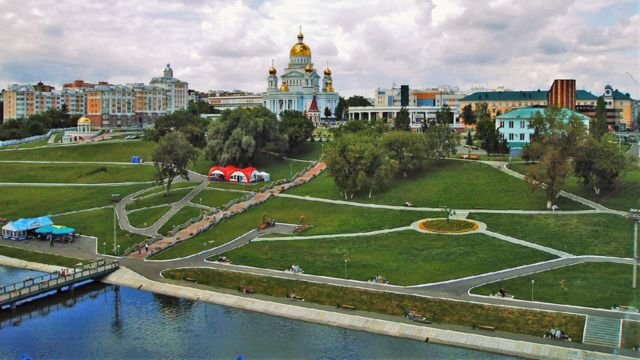
At the time of the previous raid in Krasnodar Krai, the FSB spread the false claim, based on Chinese propaganda, that “backed by the US State Department, Falun Gong tried to incite color revolutions in Russia and China. People who join the ranks of Falun Gong adherents first do gymnastics, and later they are manipulated: they are forced to refuse official medicine and commit ritual suicides.”

Massimo Introvigne (born June 14, 1955 in Rome) is an Italian sociologist of religions. He is the founder and managing director of the Center for Studies on New Religions (CESNUR), an international network of scholars who study new religious movements. Introvigne is the author of some 70 books and more than 100 articles in the field of sociology of religion. He was the main author of the Enciclopedia delle religioni in Italia (Encyclopedia of Religions in Italy). He is a member of the editorial board for the Interdisciplinary Journal of Research on Religion and of the executive board of University of California Press’ Nova Religio. From January 5 to December 31, 2011, he has served as the “Representative on combating racism, xenophobia and discrimination, with a special focus on discrimination against Christians and members of other religions” of the Organization for Security and Co-operation in Europe (OSCE). From 2012 to 2015 he served as chairperson of the Observatory of Religious Liberty, instituted by the Italian Ministry of Foreign Affairs in order to monitor problems of religious liberty on a worldwide scale.