The decision by the Court of Florence, which found an anti-cult organization guilty of defaming Soka Gakkai, is historically significant.
by Stefania Palmisano
*A version of this article has been published in Italian by the daily newspaper “Corriere della Sera” on August 3, 2025.
Journalistic investigations into so-called “cults,” along with interventions by institutions responsible for monitoring this phenomenon, often do not enhance our understanding or management of these social facts. Instead, they can exacerbate the situation. Such actions tend to exaggerate the scope of the issue, incite panic about an “occult Italy,” provoke public alarm, and mobilize definitions of “putative deviance.”
As a result, a religious movement may be labeled as “hypothetically deviant” without any empirical evidence. This label is primarily imposed on individuals who, with passion and dedication, have committed themselves to the movement, regardless of whether they have been involved for a long or short time. This mindset thrives on fear and suspicion, often lacking any real basis, with accusations of putative deviance relying on judgments filled with “a priori” assumptions of alleged apostasy, infidelity, and illegality.
But not this summer in Italy. On July 16, the Civil Court of Florence issued a landmark ruling against the Italian Association of Victims of Cults (AIVS) for defamation and incitement against the Buddhist organization Soka Gakkai, ordering AIVS to pay €35,247 in damages. The Court upheld the crucial principle that labeling a religious movement as a “cult” constitutes defamation in itself.
Soka Gakkai has been recognized as a religion by the Italian state, which granted it the “Intesa” in 2015, ratified in 2016. This recognition includes a series of rights and privileges, such as receiving funding through the 0.8% tax, appointing ministers of worship, and conducting educational and cultural activities.
The Florence ruling reaffirms the full religious legitimacy of Soka Gakkai and simultaneously delivers a significant blow to anti-cult crusaders who have historically assumed the authority to define what constitutes a religion—a considerable exercise of power.
This long-awaited ruling aligns with a hermeneutic solution adopted by sociology in the 1970s: repudiating the term “cult” and replacing it with “new religious movement” to eradicate the anti-cult rhetoric that suggests these groups “brainwash” newcomers and socially isolate them, preventing any civic engagement. Evidence suggests that this portrayal is false or at least grossly exaggerated.
For instance, in Turin, a city known for its effective governance of religious diversity, Soka Gakkai has been actively involved in interfaith dialogue and the promotion of human rights since the early 2000s. In line with national campaigns, it has organized various exhibitions, such as “Senzatomica” (2018) for nuclear disarmament, and “Cambio io, cambia il mondo” (2024) to raise awareness among citizens and schools regarding the climate emergency.
The ruling from the Court of Florence represents a crucial step in the defense of religious freedom in Italy, where the increasing pluralization of the religious landscape is giving rise to more conflicts that challenge the functioning of democracy.
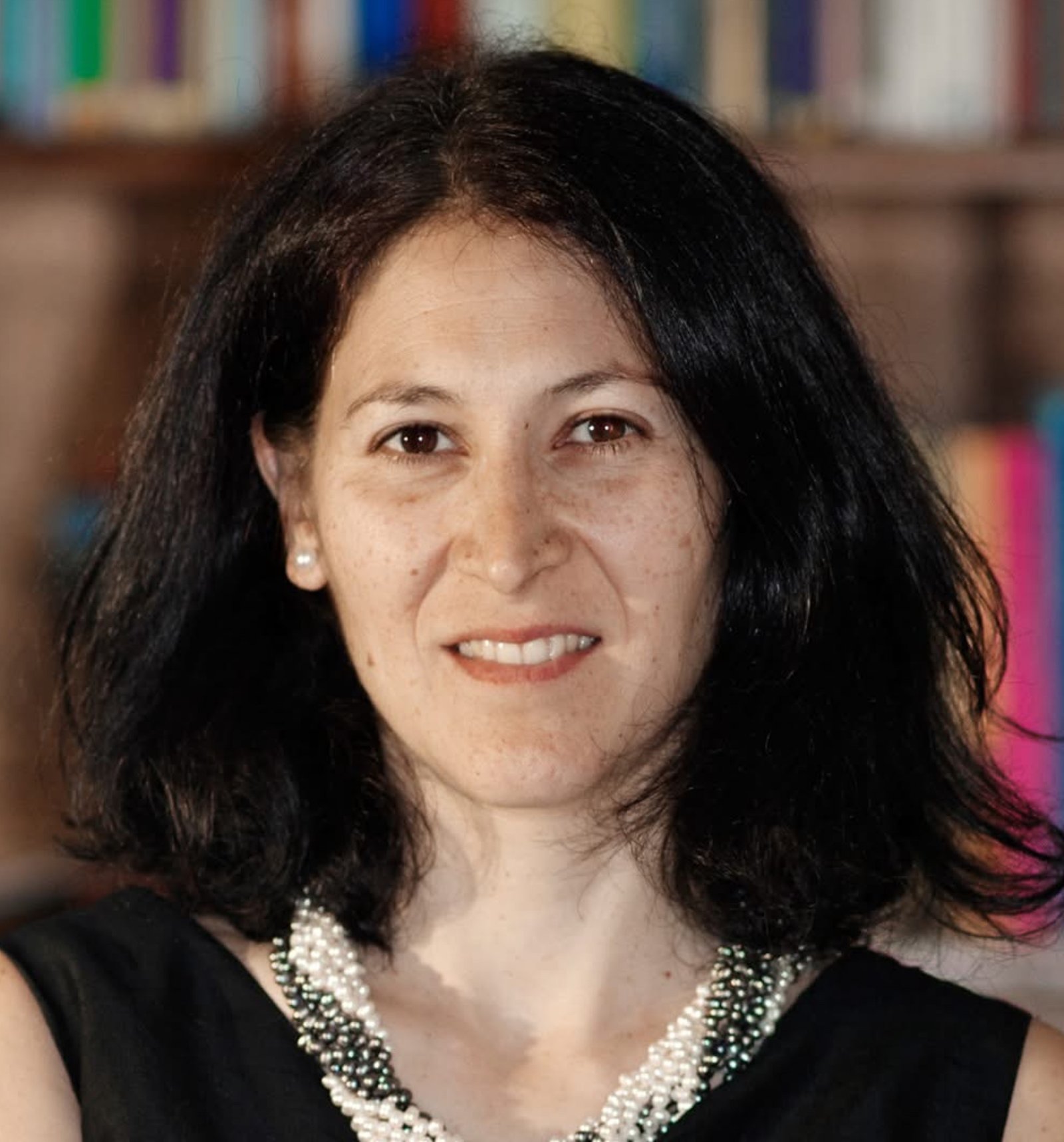
Stefania Palmisano is an Associate Professor in the Sociology of Religion at the University of Turin, Italy, where she teaches the sociology of religion and the sociology of organization. She was a Visiting Research Fellow in the Department of Politics, Philosophy and Religion at Lancaster University and a Visiting Research Fellow, the Department of Religion, Philosophy and Cultural Heritage at Wolverhampton University. She is a member of the editorial board of “Social Compass,” “Alternative Spirituality and Religion Review,” “Journal for the Study of Spirituality,” “Frontiers in Sociology.” and “Fieldwork in Religion.” In addition, she is the coordinator of the research center CRAFT (Contemporary Religion and Faiths in Transition) based in the Department of Culture, Politics and Society at Turin University. She is the author of “Exploring New Monastic Communities: The Re-invention of Tradition” (Ashgate, 2015), co-editor with Isabelle Jonveaux of “Monasticism in Modern Times” (Routledge, 2016), and co-editor with Nicola Pannofino of three books: “Invention of Tradition and Syncretism in Contemporary Religions: Sacred Creativity” (Palgrave Macmillan, 2017); “Contemporary Spiritualities: Enchanted Worlds of Nature, Wellbeing and Mystery in Italy” (Routledge, 2020); and “Damanhur: An Esoteric Community Open to the World” (Palgrave Macmillan, 2023).