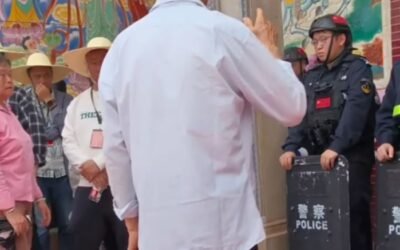
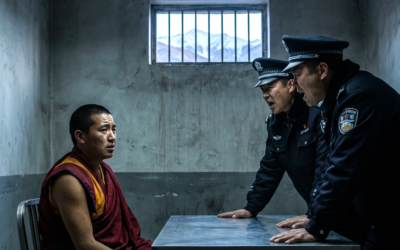
Even if the charges of funds mismanagement were true, he called the attention of many Chinese to the very real problem of unwed pregnant mothers whom nobody helps.
by Dong Deming
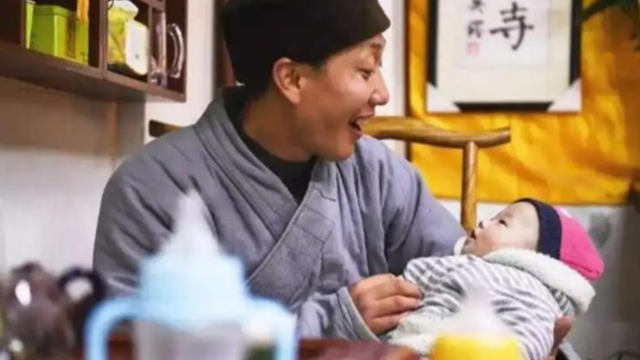
The story of a well-known anti-abortion Buddhist monk has sparked considerable discussion among Chinese internet users. Some people support the government’s criticism of the monk, Dao Lu, believing he is a fraud. However, others think he has been wrongfully accused after challenging the government with his campaigns, which highlight that, despite the government’s focus on population issues and financial support for having children, many poor women in China still feel pushed to have abortions or abandon their babies.
Dao Lu, also known as Wu Bing, is a monk whose philanthropic efforts have focused on supporting unwed pregnant women and abandoned children. He was detained in May and is currently under a criminal investigation for suspected fraud. On June 26, the local public security bureau in Shaoxing reported that Dao Lu, alongside three associates—his ex-wife, daughter, and alleged girlfriend—are being investigated for their involvement in alleged criminal activities.
The allegations claim that the group misappropriated significant donations since 2018, redirecting funds for personal gain. Subsequently, assets connected to the case were frozen and sealed.
Dao Lu became a monk in 2010 at 48 and initiated his philanthropic work two years later, utilizing funds from his former handicrafts export business. His operations grew as he harnessed public donations and online platforms, particularly livestreaming, to solicit financial support.
Dao Lu’s charitable endeavors primarily provided shelter, sustenance, and medical assistance to women wishing to avoid abortions and carry pregnancies to term without adequate support. In cases where mothers were unable to care for their children, Dao Lu facilitated their upbringing or sought adoptive families.
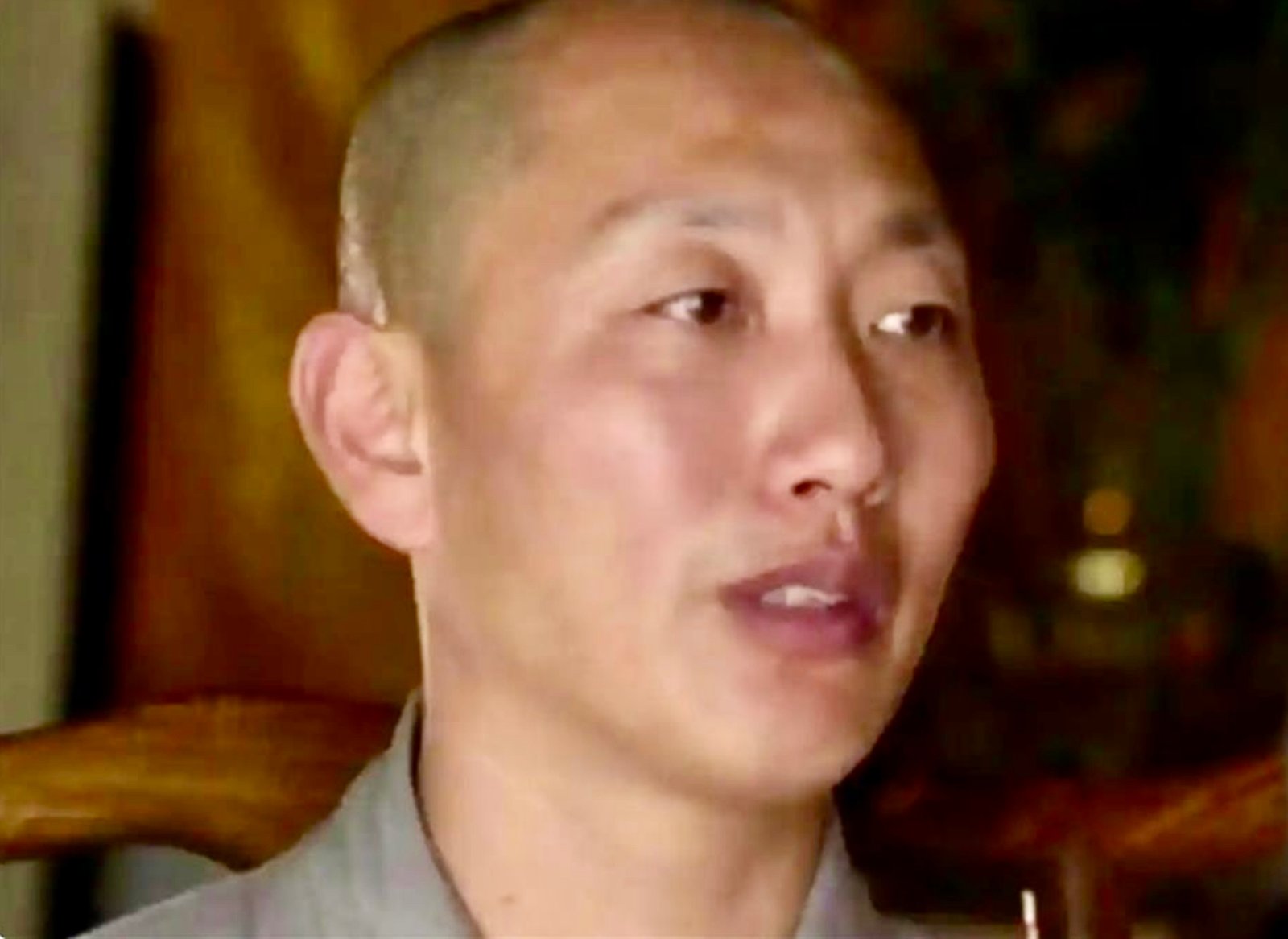
However, managing the care of children from unwed mothers presented significant legal challenges. Following an order to vacate the original temple where he housed abandoned children, he relocated to Wanshan Temple in Jiangsu Province in 2014, where he continued similar initiatives. Wanshan Temple was not officially recognized as a religious institution, making the acceptance of abandoned children and orphans technically illegal. Local inspections classified the temple as an unlawful structure.
Dao Lu also adopted children himself (reportedly, in some cases illegally). His motivations included a nuanced hope that some children might consider a monastic life, although he emphasized that the choice would remain theirs.
In 2022, Dao Lu relocated to Shaoxing, Zhejiang province, establishing the Lianhua Philanthropy Society within a local temple with six trustees, sustaining his focus on vulnerable women. By 2024, he claimed through his WeChat video channel to have assisted over 600 children, earning the moniker “Father Monk” in online discourse.
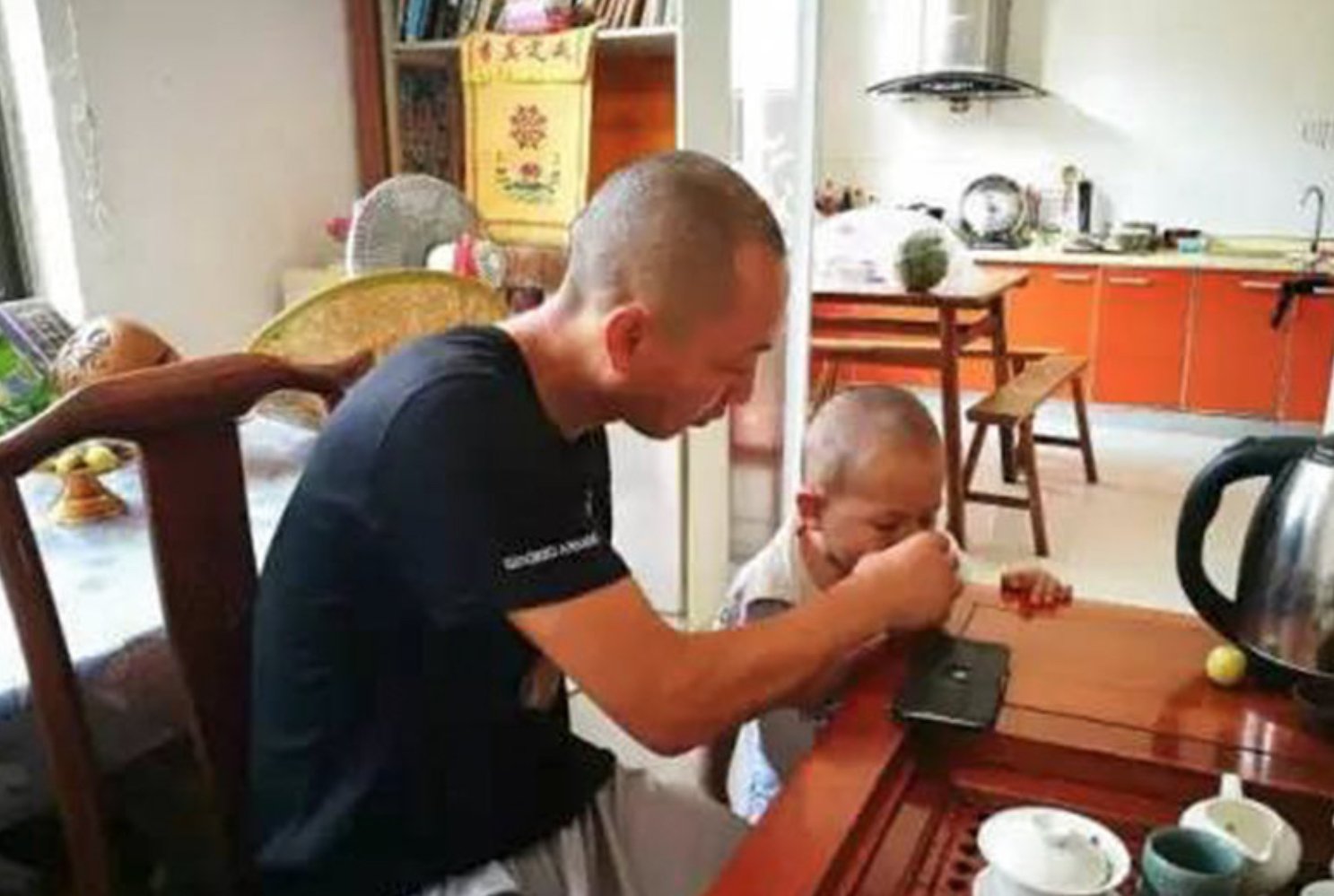
At the commencement of the investigation, the Shaoxing civil affairs bureau indicated that 31 children, including 23 boys and eight girls, were under the care of Dao Lu’s organization.
Following the detention of Dao Lu and his associates in May, the local civil affairs bureau formed a joint response team to assist in the resettlement of the 31 children, with five children being reunited with relatives and the remaining 26 placed temporarily in a local care facility. The case of Dao Lu raises essential questions. Is he a hero wrongfully accused, or a villain who misused donations meant to support unwed pregnant women in need for his luxurious lifestyle? Regardless of the perspective, his situation underscores the failure of Chinese authorities to assist poor, unwed pregnant women, leaving them to private charity intervention.

Uses a pseudonym for security reasons.