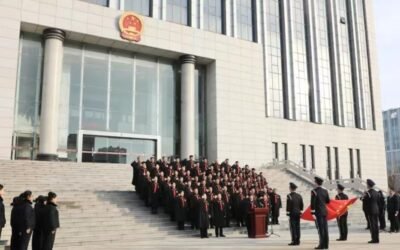
A national scandal exposes the struggles of impoverished local bureaucrats. Zhao Gongpin used creative fraud to get by. It didn’t work.
by Tan Liwei
In China, where bureaucracy is expected to operate smoothly on discipline, Party loyalty, and occasional anti-corruption efforts, few scandals blend tragedy, farce, and post-COVID struggles like Zhao Gongpin’s.
Zhao, who was the deputy secretary of the Political and Legal Affairs Commission in Henan’s Lushan County, gained national attention for marrying his deceased sister. Even by the unusual standards of Chinese officials, this was a surprising twist.
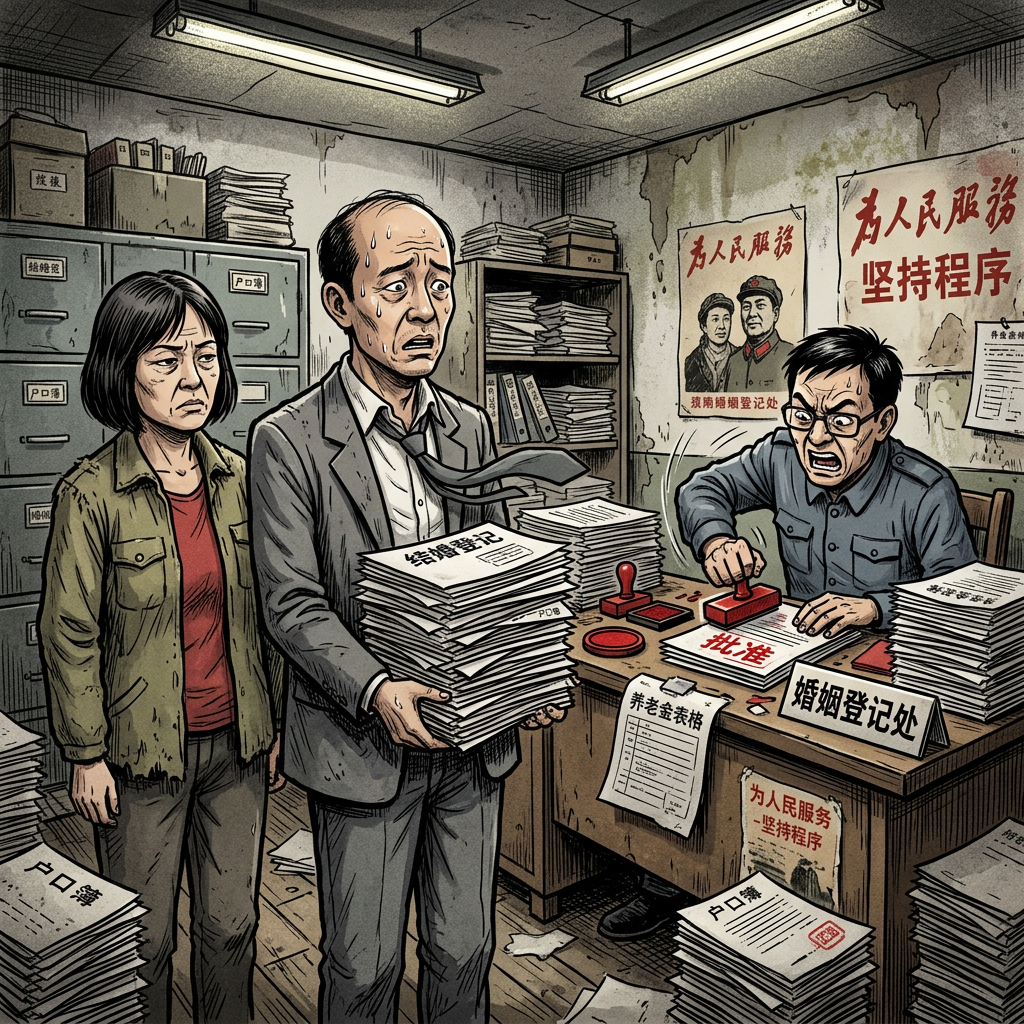
Investigators later clarified that the story was not driven by rural superstition or obscure local customs. It stemmed entirely from economic motives. Zhao’s sister had died, but her pension continued. Zhao’s financial situation had worsened significantly after the tough years following Zero COVID, so he chose to revive his sister on paper to keep receiving income. He arranged for his girlfriend to pose as the dead woman, complete with a new ID card obtained through “special channels” that only seasoned officials can access. Together, they went to the civil affairs office, armed with household registration documents and a serious demeanor, and registered their marriage.
Their plan fell apart before they could benefit from it. Zhao and his girlfriend never managed to collect the pension, apparently realizing that marrying your dead sister might raise suspicions even in China’s bureaucracy. However, the damage was already done. The investigation found that Zhao had misused his position, manipulated the system, and caused “a negative social impact.” Though the acts were too old to prosecute, the Party showed no leniency. Zhao was expelled and lost his positions with quick efficiency usually reserved for high-profile cases.
Chinese state media presented the incident as another morality tale about corruption, highlighting that even low-level officials can be tempted by greed. However, the public picked up on something deeper. After years of zero-COVID measures, shrinking local budgets, and a stalled economic recovery, many lower-level officials are caught between decreasing incomes and rising expectations. The previously stable life of a county-level official—steady pay, modest benefits, and occasional banquets—has diminished. Some have taken additional jobs, while others have resigned quietly. Zhao, it seems, chose a more dramatic path.

Zhao’s scandal is comical, but it also sheds light on a bigger issue. When a mid-level Party official feels that his only option to maintain his lifestyle is to marry a dead relative for her pension, the issue extends beyond personal ethics. It reflects a stressed system in which the post-pandemic economic decline has left even the state’s protectors struggling to survive financially.
Zhao’s downfall will be remembered for its shocking creativity, but the larger narrative is about desperation. In today’s China, petty corruption serves as a reminder that the old certainties have faded, while new ones are yet to emerge.

Uses a pseudonym for security reasons.