An important theoretical article published on June 15 evidenced once again that Xi uses “human rights” with a different meaning than the rest of the world.


An important theoretical article published on June 15 evidenced once again that Xi uses “human rights” with a different meaning than the rest of the world.

Despite official denials, the policy is not only continuing. In fact, it is accelerating, as Adrian Zenz’s research shows.

The religious and ritual features of groups such as the Tiandihui did not resist the competition of Christianity, Communism, and the new religions. In the end, only the criminal element remained.
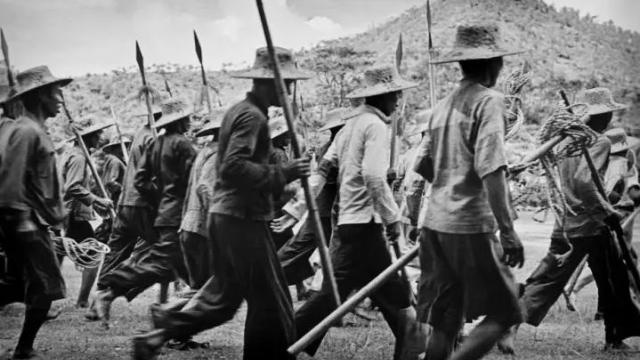
Confusion and ambiguity in the use of “fandong huidaomen” (reactionary secret societies) and “xie jiao” (heterodox teachings) has persisted to this day.

Both Sun Yat-Sen and some Marxists interpreted at least certain societies as forms of political or social rebellion.

By the 19th century, the society operated a wide range of criminal enterprises in several continents. But esoteric rituals were never forgotten.
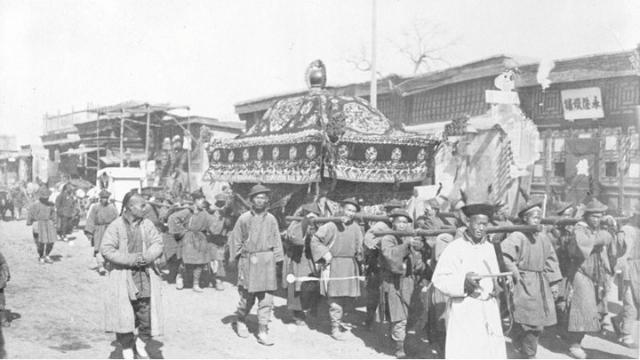
The most famous “secret society” was discovered in Taiwan in the 18th century. It was probably born as a group saving funds for weddings and funerals.
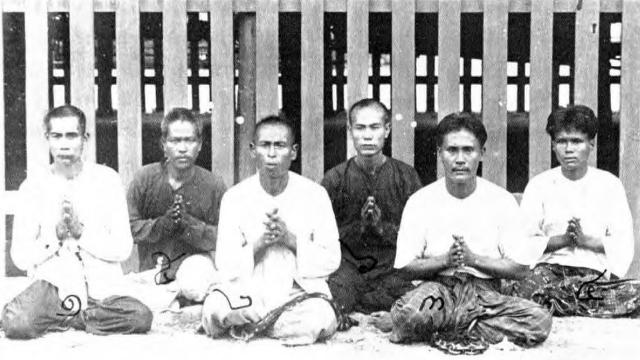
The old Western notion of “Chinese secret society” owes much to a French esoteric author who died in 1939, Albert de Pouvourville.

In contemporary China, some try to establish a “Confucian Church,” while Xi Jinping believes a non-religious Confucianism lives within the Communist Party.

A long process made the “Way of the Ru” an ideology governing the bureaucracy, education, and the imperial rites. The label “official religion” may however be misleading.