The Supreme Court of a democratic country like Taiwan is the ultimate voice of justice. Yet, the National Taxation Bureau (NTB) ignored its ruling while pretending to act democratically.
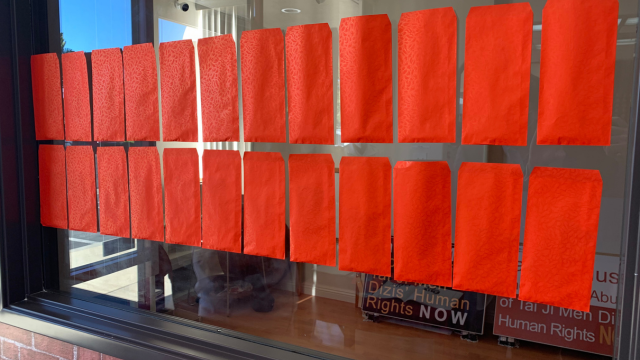

The Supreme Court of a democratic country like Taiwan is the ultimate voice of justice. Yet, the National Taxation Bureau (NTB) ignored its ruling while pretending to act democratically.
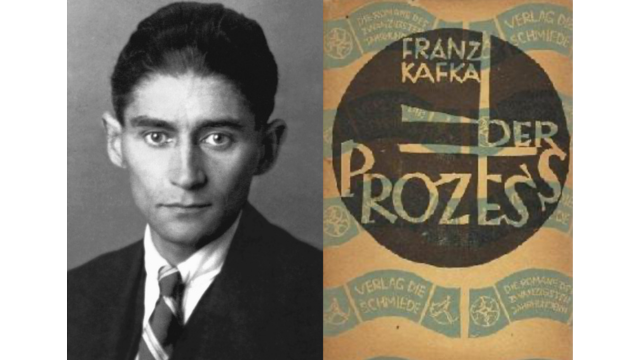
2025 marks the 100th anniversary of Kafka’s “The Trial.” This book’s essence resonates profoundly with the experience of Tai Ji Men.
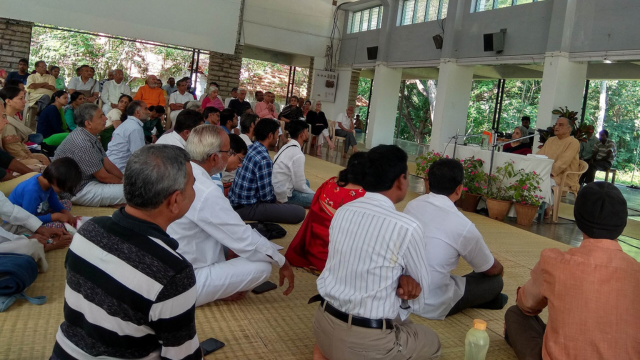
Two fascinating examples of how spiritual ideas, the expectations of different groups, and individual choices intertwine.

What has been done so far to solve the Tai Ji Men case? What can be done in the future?

Taiwan’s Supreme Court decided that Tai Ji Men’s activities were not fraudulent. It was an important contribution to the international case law on the possibility of “spiritual fraud.”
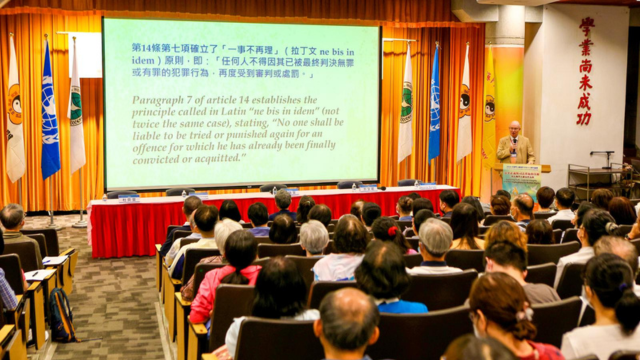
By ignoring the 2007 Supreme Court verdict, Taiwanese tax authorities violated Article 14 of the United Nations International Covenant on Civil and Political Rights.

The 2007 verdict should have ended the Tai Ji Men case. Unfortunately, it did not.

From the Sword and Dragon Dances to the fight for justice and the continuing friendship with dozens of international scholars.

The Third World Conference on Religious Dialogue and Cooperation opened with a session discussing universal energy, conscience, freedom of belief, and the Tai Ji Men case.

Artificial intelligence makes the appeal to conscience as the universal moral compass not less but more urgent. This is a fundamental message of Tai Ji Men.