Their youth was stolen by persecution and injustice but they found it again by witnessing for peace, love, conscience, and justice.


Their youth was stolen by persecution and injustice but they found it again by witnessing for peace, love, conscience, and justice.

Humans have long searched for the Fountain of Youth. Dr. Hong teaches us that it is inside us: it is our conscience.
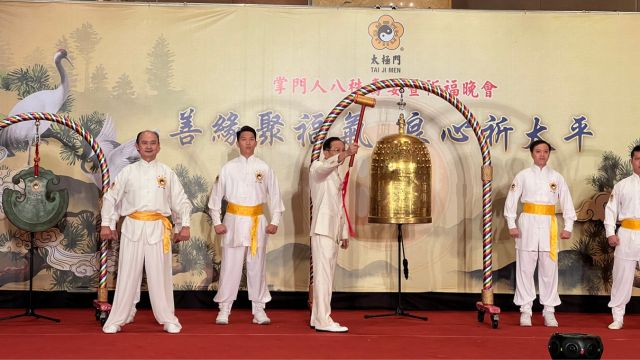
A conference preceded the celebration of the 80th birthday of Tai Ji Men Shifu (Grand Master) Dr. Hong Tao-Tze and offered new insights.

Religious discrimination will end the day when human beings return to their human essence. Tai Ji Men works toward this goal.

Their service to humanity was about promoting an end to discrimination and intolerance and fostering forgiveness, harmony, and peace.

Evelyn Mase was a Jehovah’s Witness. She defended her right not to be involved in politics for religious reasons throughout her whole life.

Scholars and human rights activists celebrated Mandela Day and called for justice for Tai Ji Men

The perseverance of Tai Ji Men in fighting for justice gives hope to all those who suffer throughout the world because their freedom of religion or belief is denied.

On July 13, 2007, the Supreme Court of Taiwan found Tai Ji Men innocent of all charges. Yet, this landmark decision has not been fully implemented to this day.
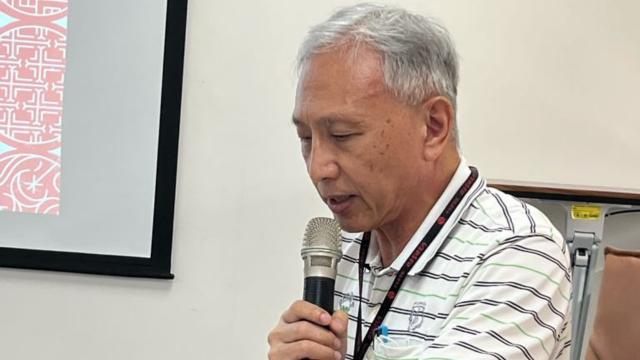
Through “interpretation letters” and other tools, tax offices often try to rewrite the laws rather than just applying them—violating the principle of separation of powers.