Building on the experiences in Xinjiang, the CCP steps up its suppressive policies against Islam in other “autonomous” regions inhabited by ethnic Muslims.
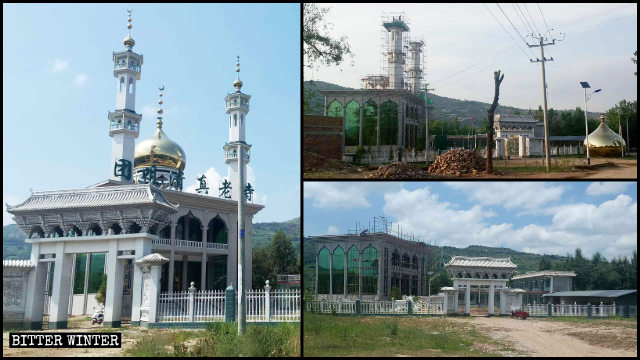

Building on the experiences in Xinjiang, the CCP steps up its suppressive policies against Islam in other “autonomous” regions inhabited by ethnic Muslims.

A collection of Bitter Winter reports on how Christians in China continue practicing their faith, in the face of persecution, deprived of places to worship.

The CCP deploys all possible means to reduce the number of Three-Self churches, forcing congregations to sign handover agreements and manipulating them otherwise.
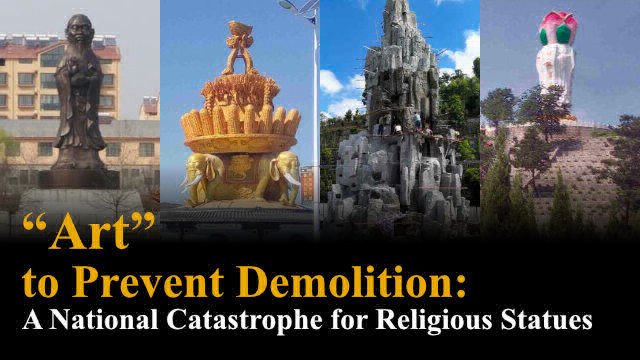
After the CCP ordered a crackdown on religious statues, many were modified in bizarre ways as this was the only alternative to destruction. Bitter Winter here collects several typical cases for our readers.

To save Buddhist and Taoist temples from demolition, believers hide or remove religious statues, replace them with images of China’s past and current leaders.

Tongcheng county government in Hubei Province launched a coordinated crackdown against folk religions by repurposing family shrines built to honor ancestors.
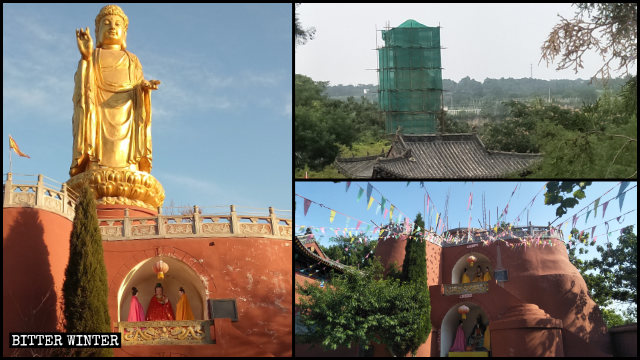
Outdoor religious statues continue to be destryed across China, local officials in charge threated to be dismissed if they disobey the central government orders.

Uyghur refugee Tahir Imim reveals to Bitter Winter a major Muslim scandal—and evidence of the pervasive CCP influence on Arab countries

Even places of worship under CCP’s control are deemed ideological enemies and also face brutal suppressions: closed down, forced to merge, even destroyed.

On November 2, during a rally “Stand with Hong Kong,” civils society organizations urged the South Korean government to back the pro-democracy movement.