That Shambhala can be established on earth was an idea Roerich was able to sell to Stalin. But the dictator and the artist had in mind different kinds of kingdoms.
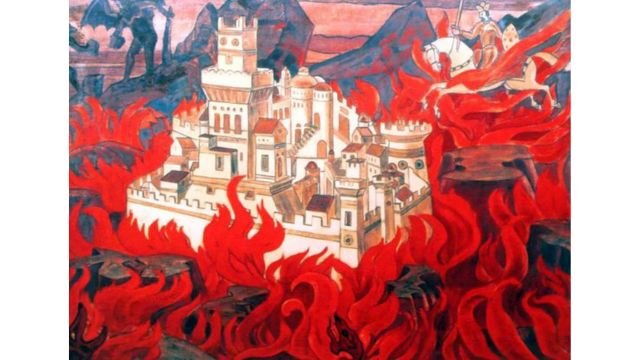

That Shambhala can be established on earth was an idea Roerich was able to sell to Stalin. But the dictator and the artist had in mind different kinds of kingdoms.

The notions of mythical and mystical kingdoms Shambhala and Agartha, as we know them today, are largely influenced by the views of the Russian painter.
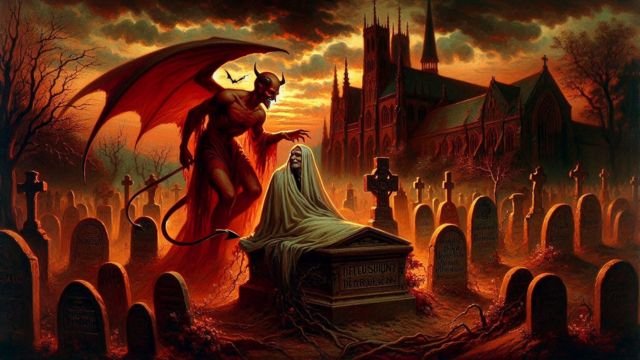
The great academic debate on vampires of the eighteenth century was restarted by some nineteenth-century demonologists—but it was soon marginalized.

Voltaire presented the Benedictine scholar, who wrote about vampires, as gullible. In reality over the years his positions went from dubious to skeptical.
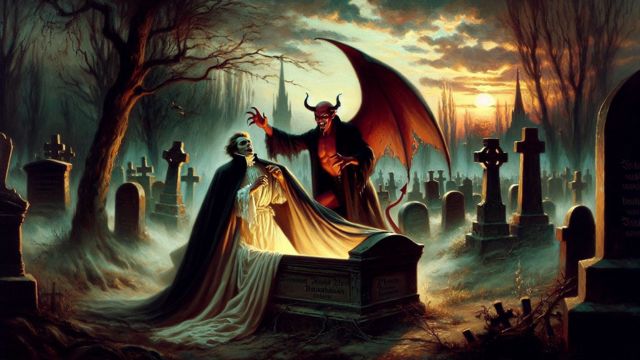
Antoine Faivre, the father of “vampire studies,” distinguished between Enlightenment-inspired, demonological, and “Paracelsian” positions.

Between the end of the seventeenth century and the third decade of the eighteenth century the possibility that vampires exited was first admitted but finally ruled out by the imperial authorities.

In the seventeenth century, the German “nachzehrer” and the Greek “vrykolakas” were precursors of vampires that started interesting theologians and scholars.

The Latin American Parliament in Panama hosted one of the most important gatherings on religious liberty in recent times. Fautré told the attending politicians, diplomats, and scholars how media cooperate with biased prosecutors in spreading fake news about groups stigmatized as “cults.”

Denied by some art historians, the influence of the Theosophical Society (which in turn rejected his artistic theories as too complicated) remained crucial until the Dutch painter’s last days. .

As members of the secretive movement are in the news accused of sexual abuse, we publish a translation of an encyclopedia entry by the late Italian scholar PierLuigi Zoccatelli, clarifying who they are.